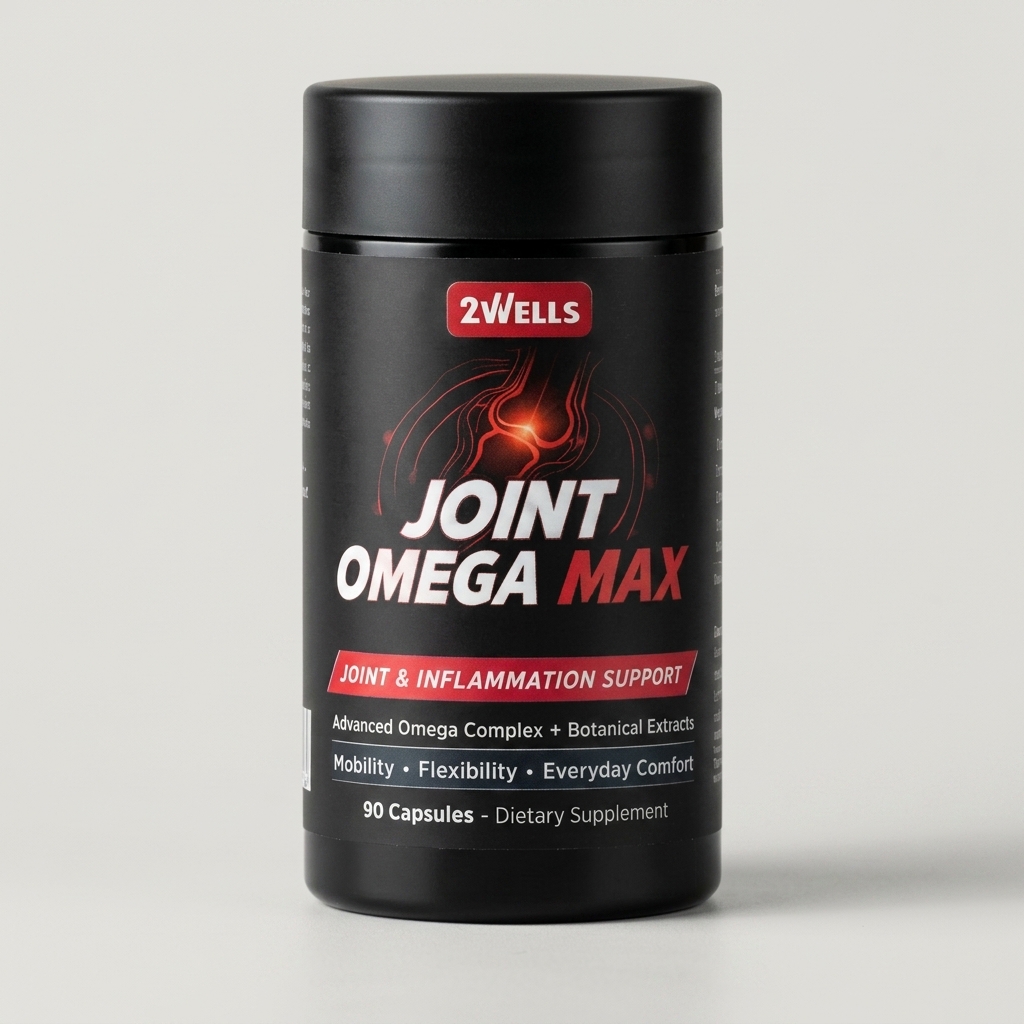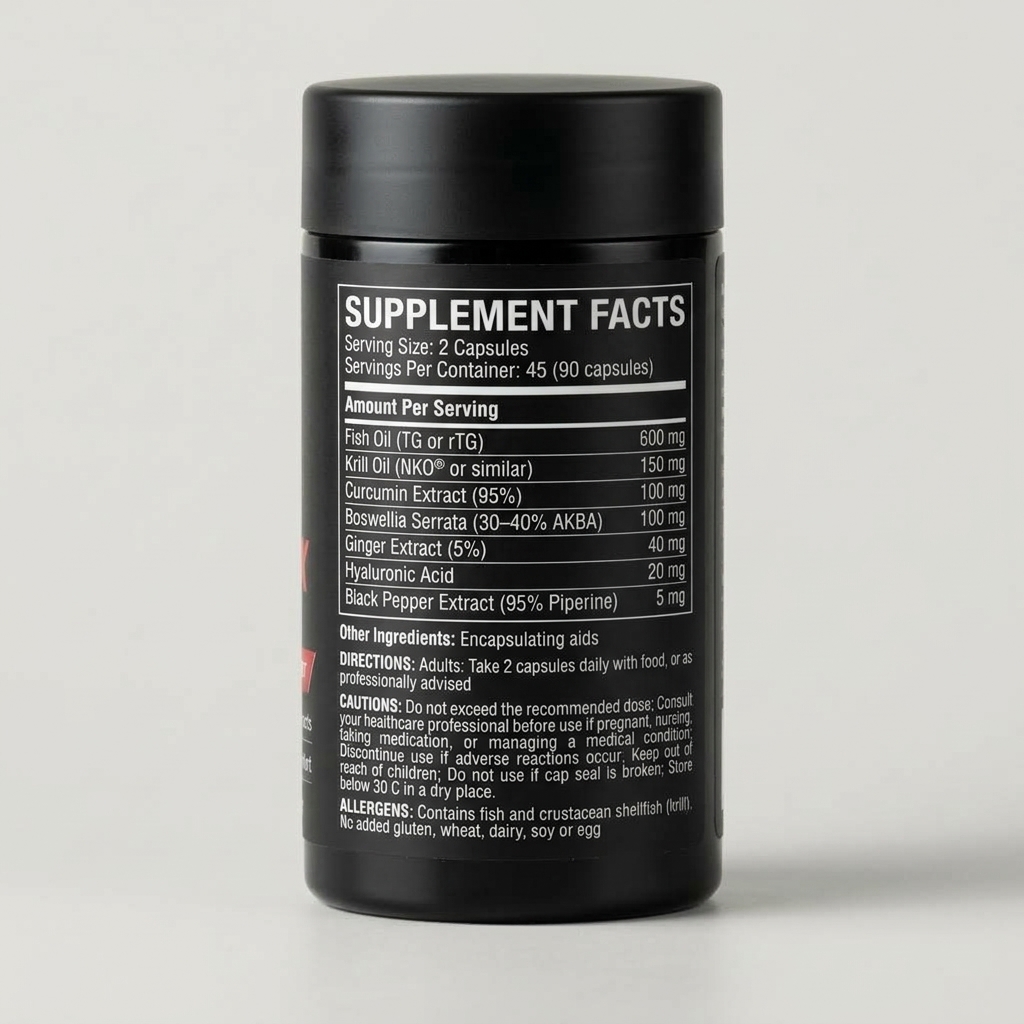
Omega-3 fatty acid deficiency is far more common than most people realize. In fact, research suggests that approximately 70% of adults don’t get enough omega-3s in their diet. The challenge? Omega-3 deficiency doesn’t always announce itself with obvious symptoms. Instead, it often manifests as subtle signs that are easy to dismiss or attribute to other causes.
In this post, we’ll explore seven common signs that your body may be crying out for more omega-3 fatty acids—and what you can do about it.
Sign #1: Dry, Flaky, or Irritated Skin
Your skin is your body’s largest organ, and it’s one of the first places omega-3 deficiency shows up. Omega-3 fatty acids are crucial components of the skin’s lipid barrier, which locks in moisture and keeps irritants out.
What to look for:
- Persistent dry or rough skin, even when using moisturizer
- Flaky patches, especially on arms and legs
- Skin that feels tight or uncomfortable
- Increased sensitivity or irritation
- Slow healing of minor cuts or abrasions
If you’ve tried various skincare products without success, the problem might be internal rather than external. Omega-3s work from the inside out to support skin health and hydration.
Sign #2: Brittle Nails and Dry Hair
Just like your skin, your hair and nails need omega-3s to maintain their strength and luster.
What to look for:
- Nails that chip, crack, or break easily
- Soft, peeling nails
- Dull, lifeless hair
- Increased hair breakage
- Dry, itchy scalp
- Dandruff that doesn’t respond to treatment
Omega-3s nourish the hair follicles and nail beds, promoting stronger, healthier growth. Many people notice improvements in hair shine and nail strength within 6-8 weeks of starting omega-3 supplementation.
Sign #3: Difficulty Concentrating and Brain Fog
DHA, one of the primary omega-3 fatty acids, makes up a significant portion of your brain’s structure. When levels are low, cognitive function can suffer.
What to look for:
- Difficulty focusing on tasks
- Mental fatigue, especially in the afternoon
- Trouble remembering names, dates, or where you put things
- Feeling mentally “sluggish” or foggy
- Decreased productivity at work
- Difficulty learning new information
Brain fog isn’t just annoying—it can significantly impact your quality of life and work performance. If you’ve ruled out other causes (like sleep deprivation or stress), omega-3 deficiency could be the culprit.
Sign #4: Mood Changes and Emotional Sensitivity
The connection between omega-3s and mood is well-established in scientific literature. These fatty acids influence neurotransmitter function and brain inflammation, both of which affect emotional well-being.
What to look for:
- Increased irritability or mood swings
- Feeling down or unmotivated
- Heightened anxiety or worry
- Emotional sensitivity that seems disproportionate
- Difficulty coping with stress
- General sense of unease
Countries with higher fish consumption tend to have lower rates of mood disorders—a correlation that has sparked extensive research into omega-3s and mental health.
Sign #5: Joint Stiffness and Discomfort
Omega-3 fatty acids, particularly EPA, have natural anti-inflammatory properties. When you’re deficient, inflammation can increase, often manifesting as joint issues.
What to look for:
- Morning stiffness that takes time to work out
- Achy joints, especially after inactivity
- Joint discomfort that worsens with weather changes
- Reduced flexibility or range of motion
- Swelling or tenderness in joints
Athletes and active individuals often notice that omega-3 supplementation helps with recovery and reduces exercise-induced joint stress.
Sign #6: Eye Dryness and Visual Fatigue
DHA is a major structural component of the retina, and omega-3s also support the eye’s tear film. Deficiency can lead to uncomfortable eye symptoms.
What to look for:
- Chronic dry eyes
- Eyes that tire easily, especially when reading or using screens
- Blurry vision that comes and goes
- Excessive tearing (paradoxically, a response to dryness)
- Sensitivity to light
- Gritty or burning sensation in eyes
In our screen-dominated world, many people suffer from dry eyes without realizing that nutrition plays a role. Omega-3s support healthy tear production and eye comfort.
Sign #7: Fatigue and Low Energy
While fatigue has many potential causes, omega-3 deficiency shouldn’t be overlooked. These fatty acids are involved in energy metabolism and cellular function throughout the body.
What to look for:
- Persistent tiredness despite adequate sleep
- Difficulty getting through the day without caffeine
- Low motivation for physical activity
- Feeling drained after minimal exertion
- General lack of vitality
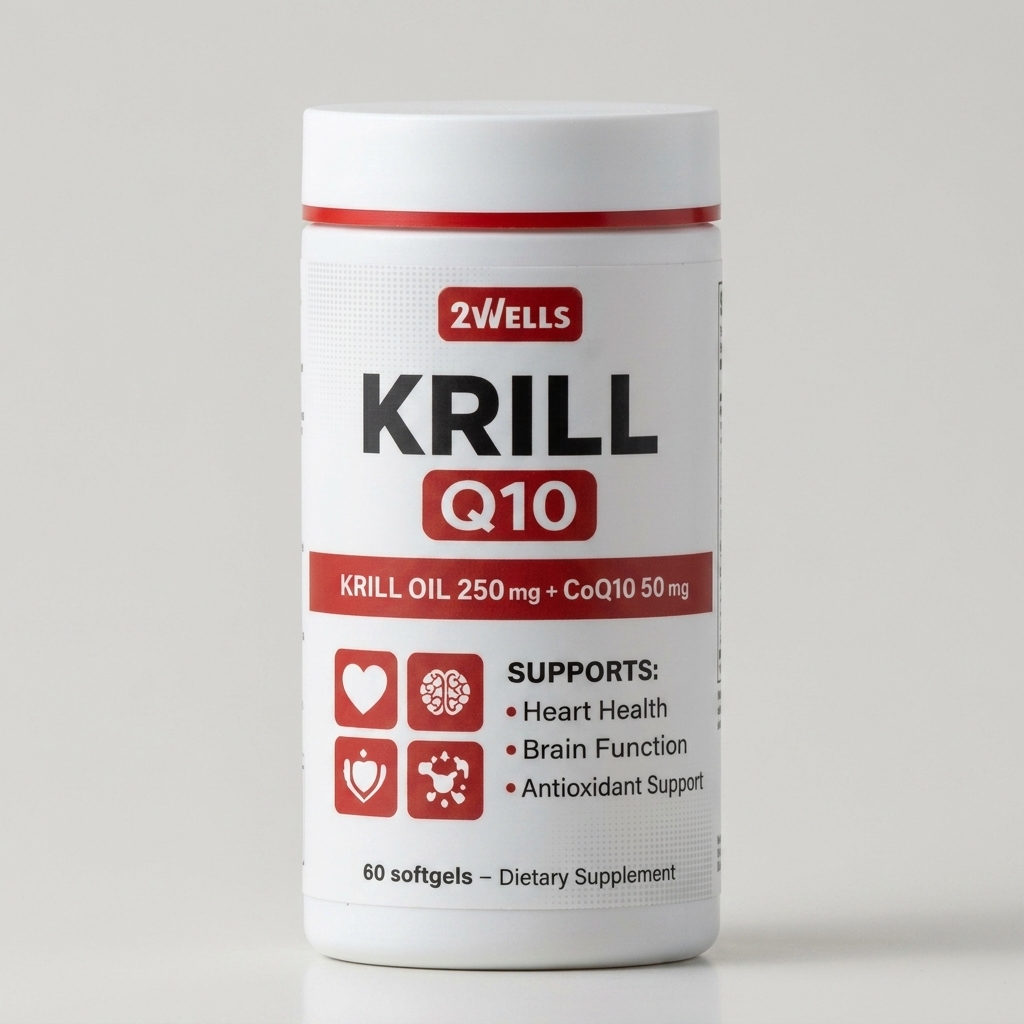
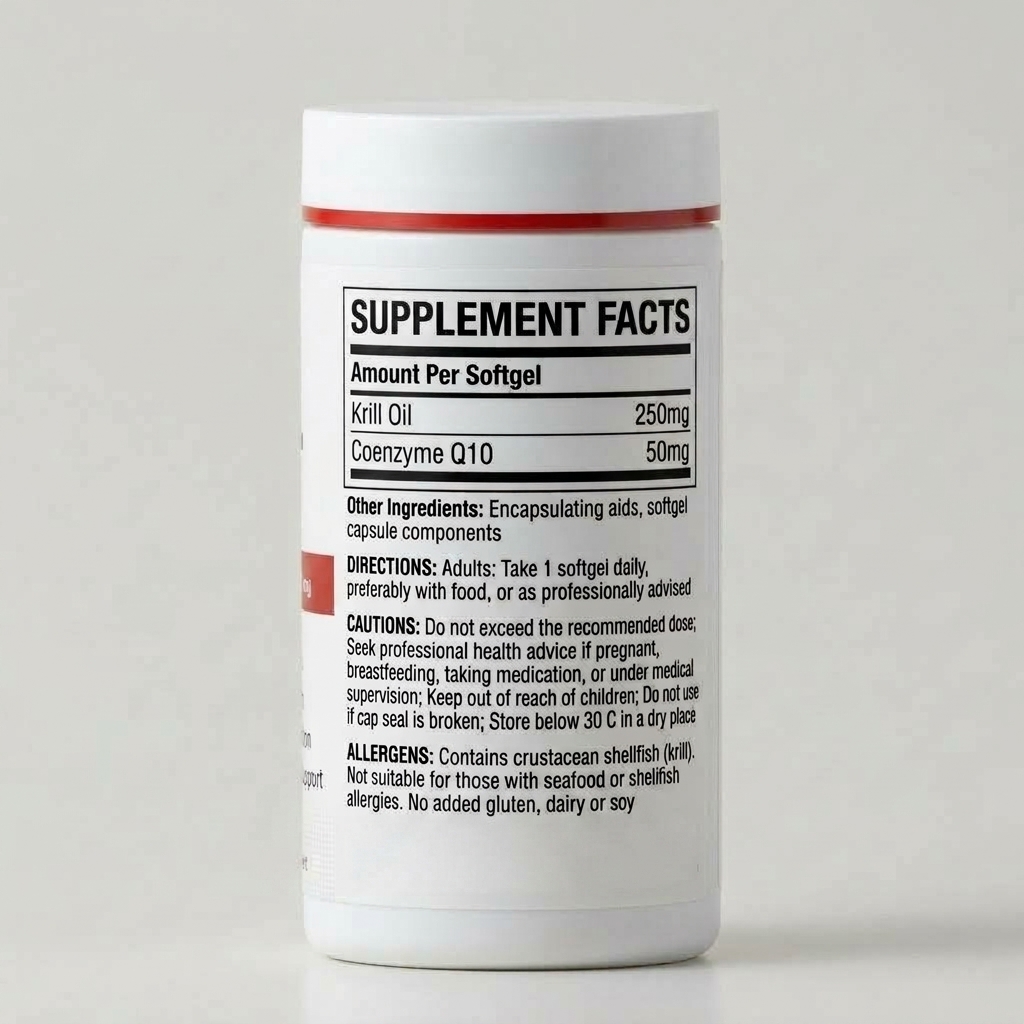
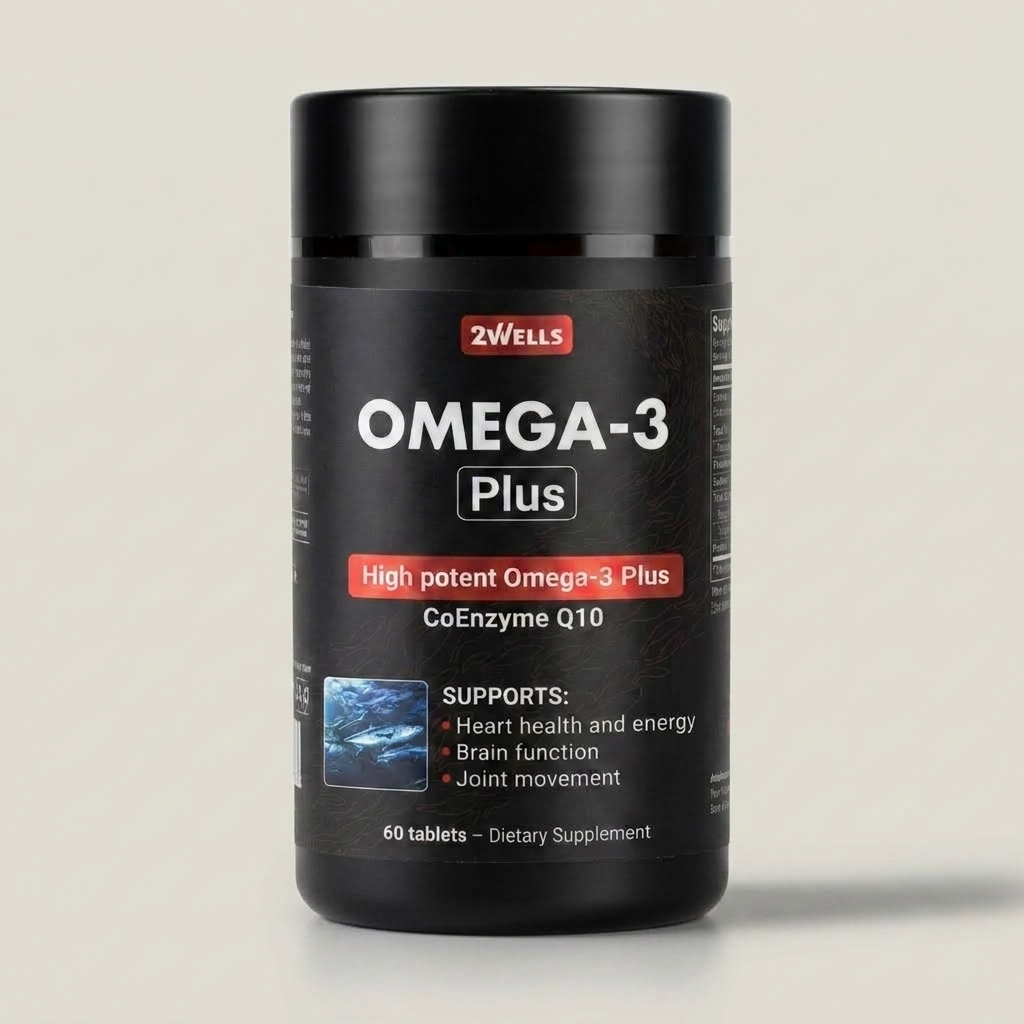
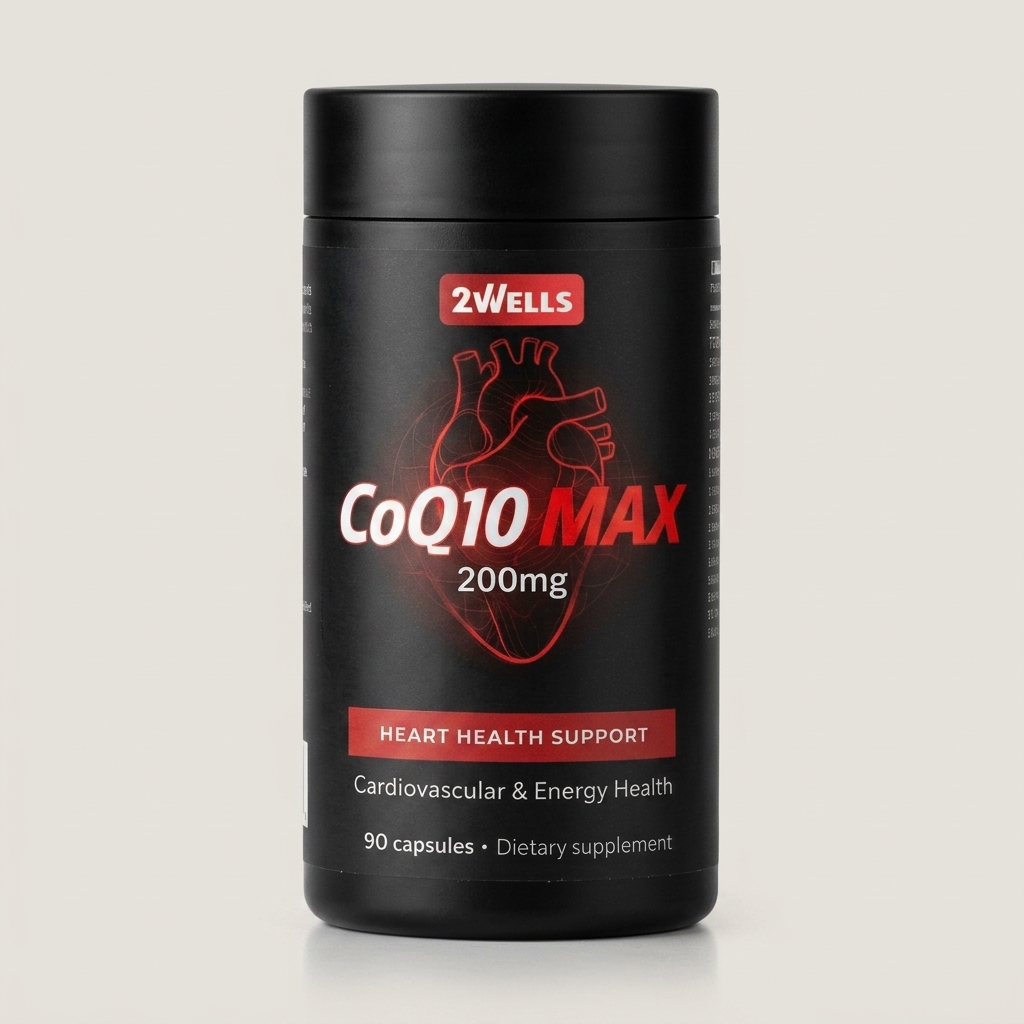
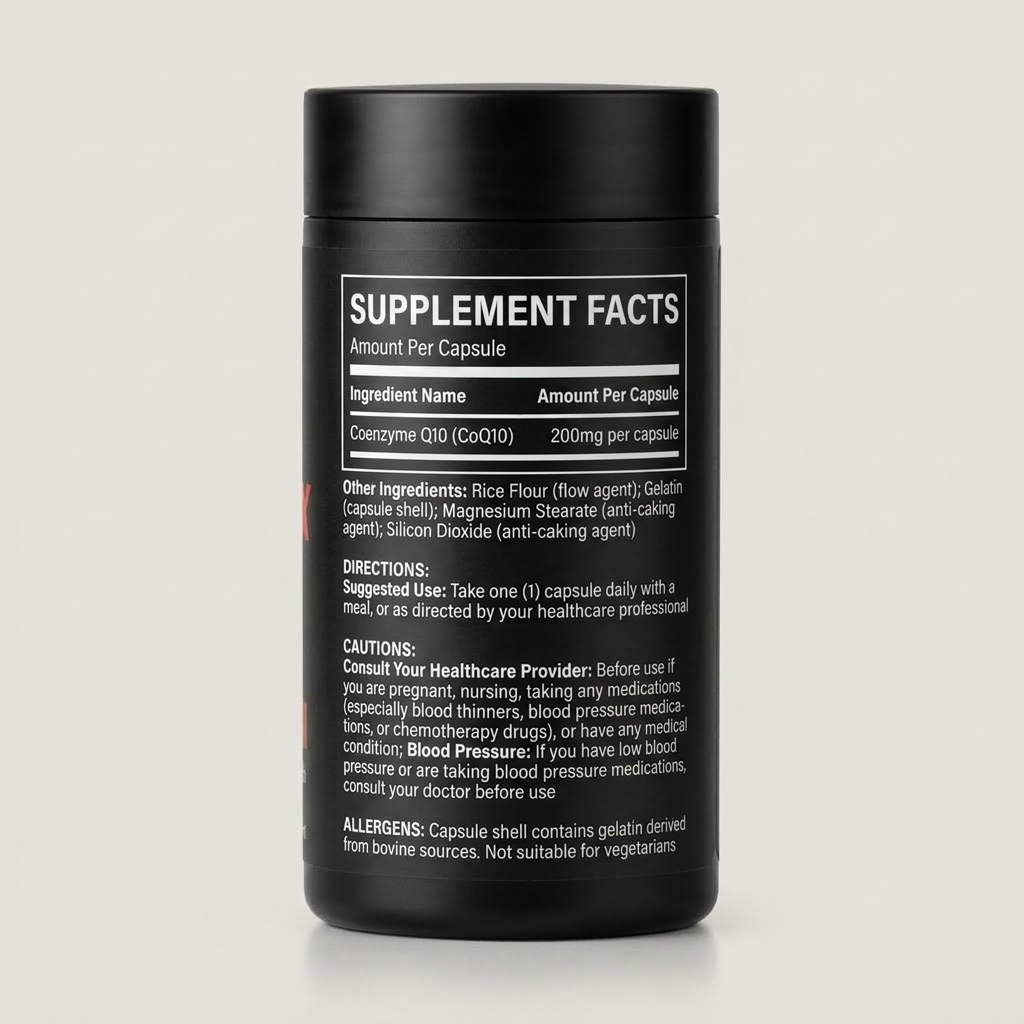
When combined with CoQ10, omega-3s provide even more comprehensive energy support, as both nutrients play roles in cellular energy production.
Are You at Risk for Omega-3 Deficiency?
Certain factors increase your likelihood of deficiency:
- Diet low in fatty fish (eating fish less than twice weekly)
- Vegetarian or vegan diet (plant omega-3s don’t convert efficiently)
- High intake of omega-6 fatty acids (found in vegetable oils, processed foods)
- Digestive issues that impair fat absorption
- Pregnancy and breastfeeding (increased demands)
- Older age (reduced absorption and conversion)
What Can You Do?
If you recognized several of these signs, consider taking action:
- Increase fatty fish consumption – Aim for 2-3 servings weekly of salmon, mackerel, sardines, or herring
- Consider supplementation – A quality fish oil supplement providing at least 500mg EPA and 250mg DHA daily can help restore optimal levels
- Be patient – Omega-3s accumulate in your tissues over time. Most people notice improvements within 6-12 weeks of consistent intake
- Choose quality – Look for supplements that are purified, fresh (check for fishy smell), and provide meaningful doses of EPA and DHA
The Bottom Line
Omega-3 deficiency is widespread but often unrecognized. The signs can be subtle and easily attributed to other causes. If you’re experiencing dry skin, brittle nails, brain fog, mood changes, joint stiffness, eye dryness, or persistent fatigue, your body might be telling you it needs more omega-3s.
Don’t ignore these signals. With consistent omega-3 intake—whether through diet, supplementation, or both—many people experience significant improvements in these symptoms and overall well-being.
Listen to your body. It often knows what it needs before your mind figures it out.