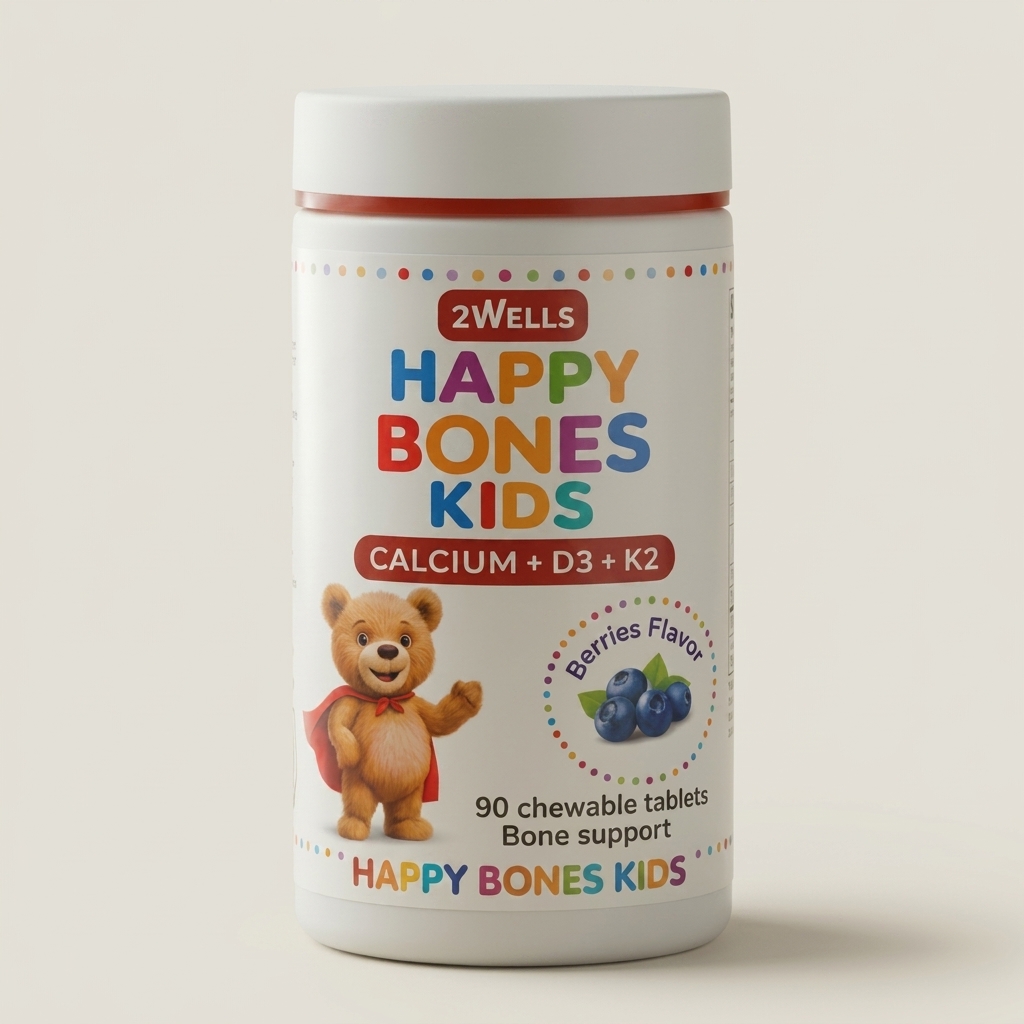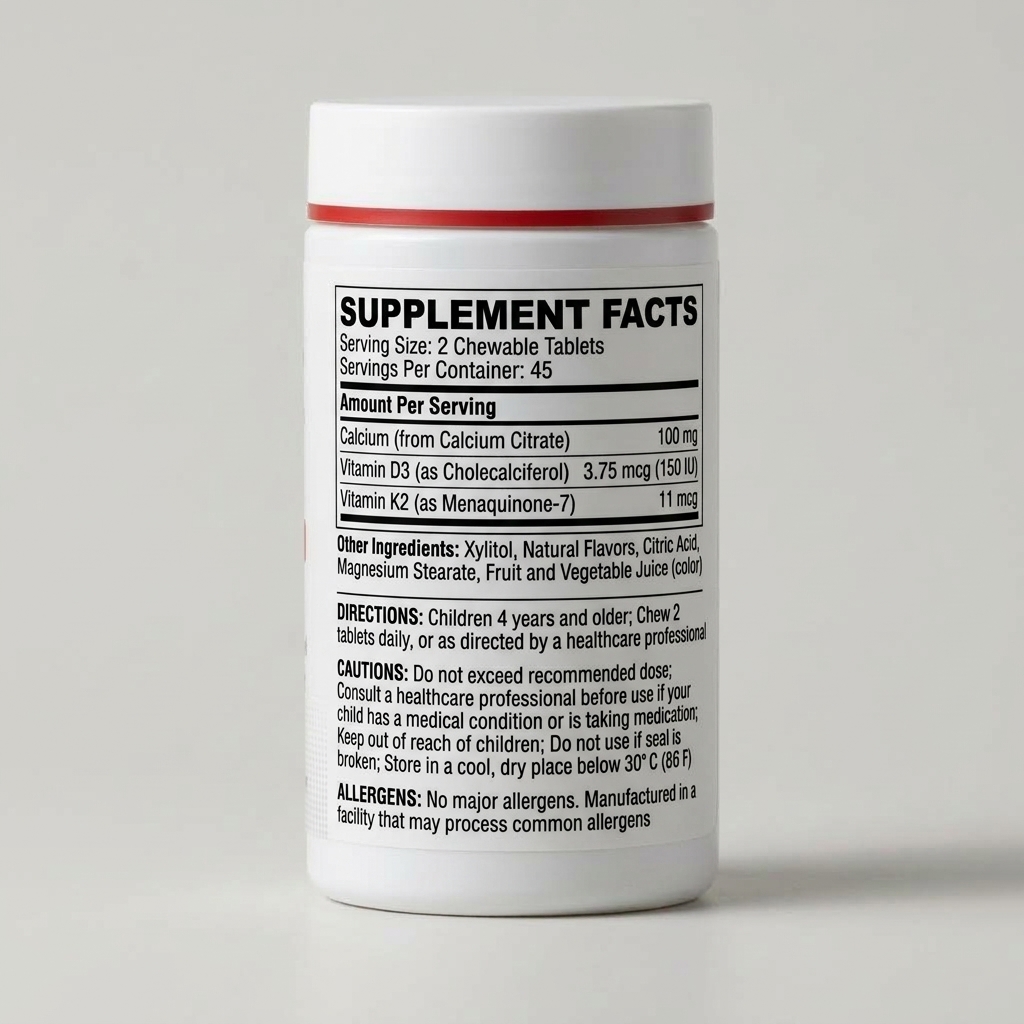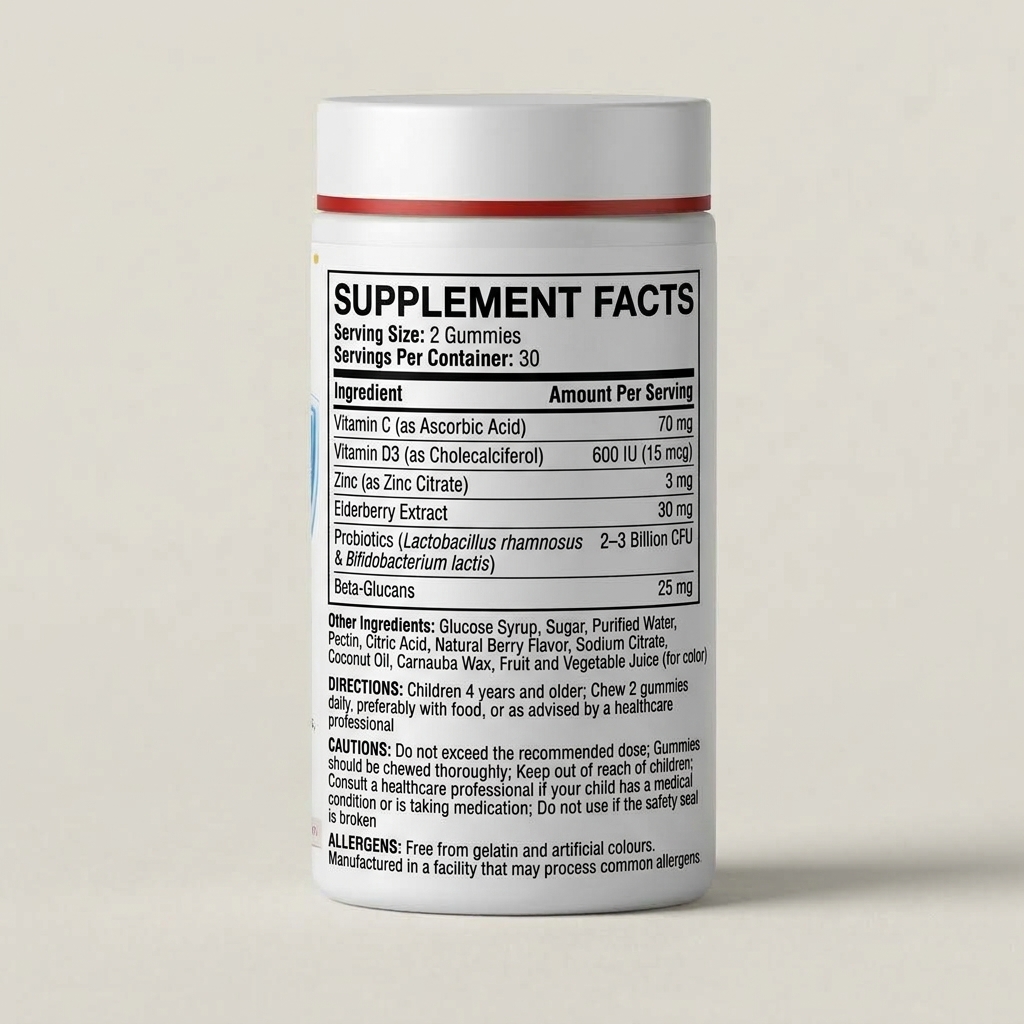
Bone health is a critical concern for women at every stage of life, but it becomes especially important as we approach and pass through menopause. The statistics are sobering: women can lose up to 20% of their bone density in the five to seven years following menopause, and one in two women over 50 will experience an osteoporosis-related fracture in their lifetime.
But here’s the good news: bone loss is not inevitable. With the right knowledge and proactive steps, you can protect your bones and maintain strength well into your golden years. This guide covers everything women need to know about bone health before, during, and after menopause.
Why Women Are at Higher Risk for Osteoporosis
Several factors make women more vulnerable to bone loss than men:
Hormonal Factors
- Estrogen plays a crucial role in maintaining bone density
- Women have lower peak bone mass than men
- Menopause causes rapid estrogen decline
- Earlier menopause increases osteoporosis risk
Physical Factors
- Women typically have smaller, thinner bones
- Pregnancy and breastfeeding can temporarily affect calcium stores
- Women live longer, giving more time for bone loss to occur
Bone Health in Your 20s and 30s: Building Your Foundation
Your peak bone mass is reached by age 30. What you do in your younger years sets the foundation for lifelong bone health.
Key Strategies:
- Consume adequate calcium (1000mg daily)
- Get enough Vitamin D through sun exposure or supplements
- Engage in weight-bearing exercise (running, dancing, strength training)
- Avoid smoking and excessive alcohol
- Maintain a healthy body weight
Think of this period as making deposits into your “bone bank” – the more you build now, the more you’ll have to draw from later.
Bone Health in Your 40s: The Pre-Menopause Years
As you enter your 40s, perimenopause begins, and estrogen levels start fluctuating. This is a critical time to assess your bone health status.
Action Steps:
- Talk to your doctor about bone density screening
- Increase calcium intake to 1200mg daily
- Ensure adequate Vitamin D and K2 for optimal calcium utilization
- Continue or start strength training to stimulate bone formation
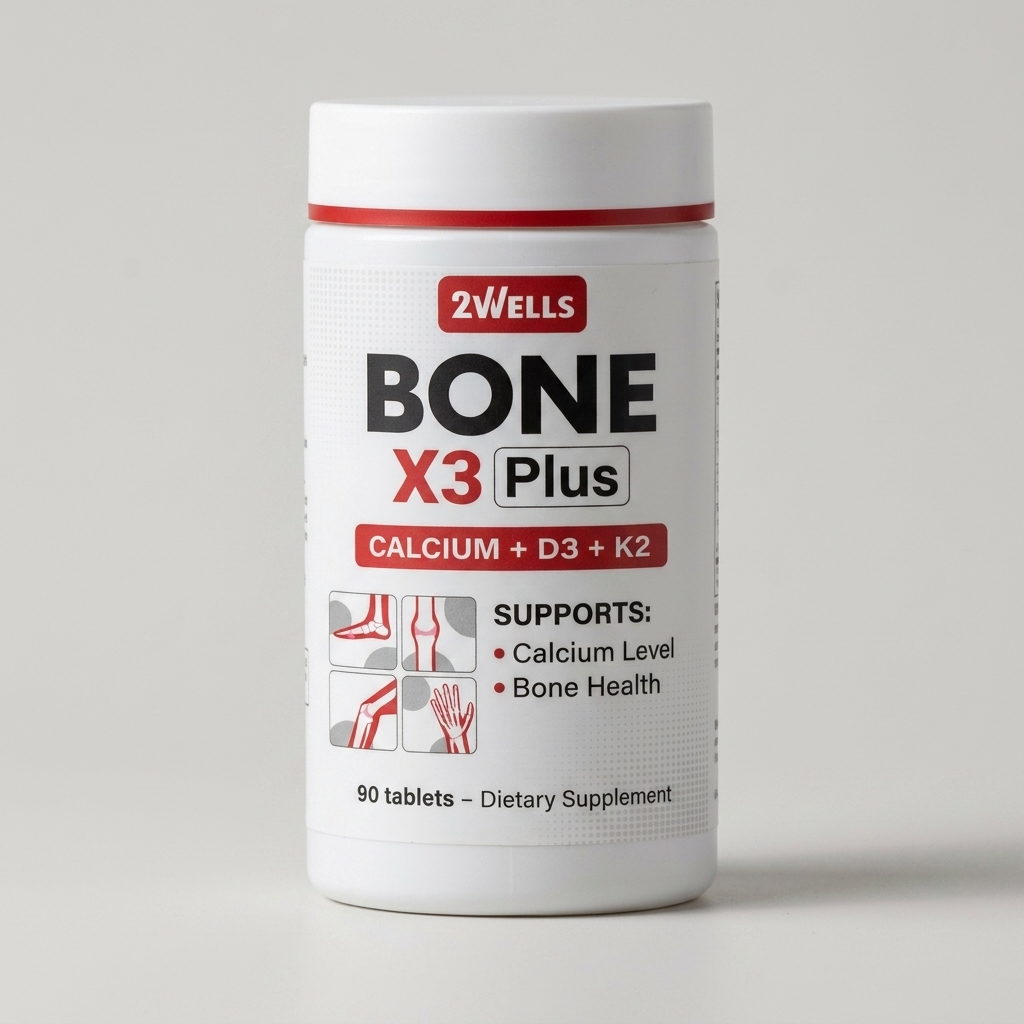
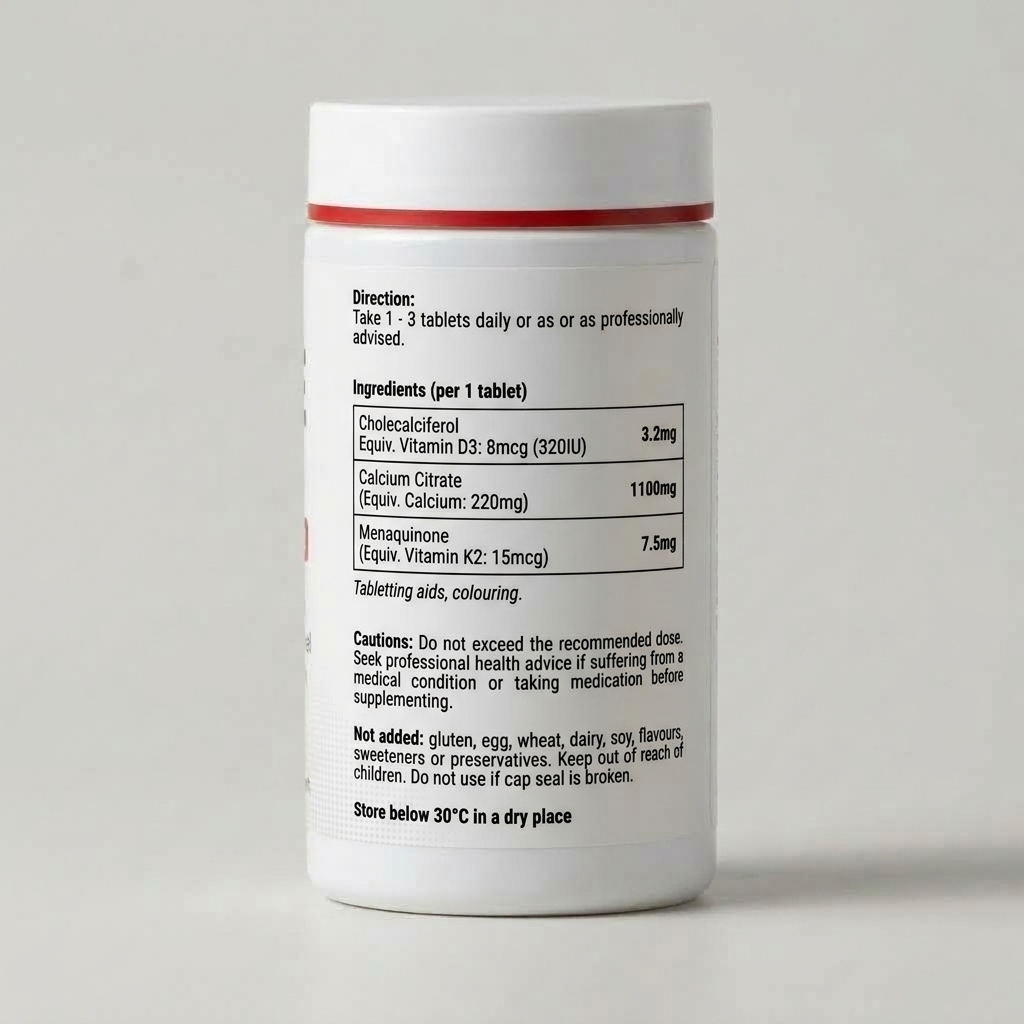
- Consider a bone health supplement like Bone X3 Plus that combines Calcium, D3, and K2
Bone Health During Menopause: The Critical Window
The years immediately surrounding menopause (typically ages 45-55) represent the most rapid period of bone loss for women. Estrogen’s protective effect on bones diminishes significantly.
What Happens to Bones During Menopause:
- Bone breakdown (resorption) accelerates
- Bone formation can’t keep pace
- Net bone loss of 2-3% per year is common
- Spine and hip are most affected
Protective Strategies:
- Prioritize calcium and Vitamin D supplementation
- Add Vitamin K2 to direct calcium to bones
- Maintain regular exercise including both cardio and strength training
- Discuss hormone therapy options with your healthcare provider
- Get a DEXA scan to establish baseline bone density
Bone Health After Menopause: Long-Term Protection
After menopause, bone loss continues but at a slower rate. Your focus shifts to maintaining bone density and preventing fractures.
Key Considerations:
- Continue calcium supplementation (1200mg daily from food and supplements)
- Vitamin D becomes even more important as skin produces less with age
- Fall prevention becomes crucial – consider balance exercises
- Regular bone density monitoring every 1-2 years
- Medication may be needed for diagnosed osteoporosis
The Role of Nutrition in Women’s Bone Health
Beyond calcium, several nutrients support bone health for women:
| Nutrient | Role | Food Sources |
|---|---|---|
| Calcium | Primary bone mineral | Dairy, leafy greens, fortified foods |
| Vitamin D3 | Calcium absorption | Sunlight, fatty fish, supplements |
| Vitamin K2 | Calcium direction to bones | Fermented foods, supplements |
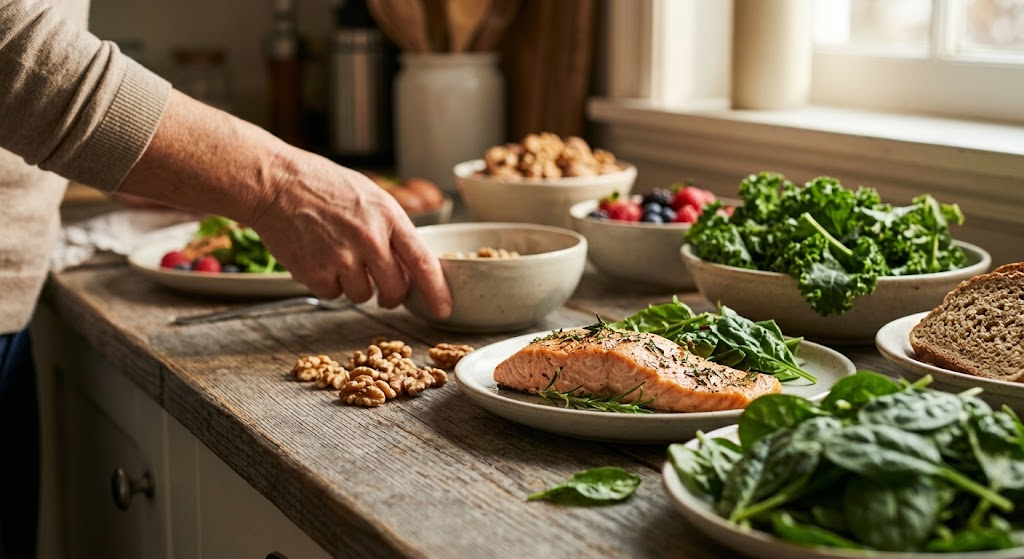
| Magnesium | Bone structure | Nuts, seeds, whole grains |
| Protein | Bone matrix | Lean meats, legumes, dairy |
Exercise: Your Bones’ Best Friend
Weight-bearing and resistance exercises are essential for stimulating bone formation:
Best Exercises for Bone Health:
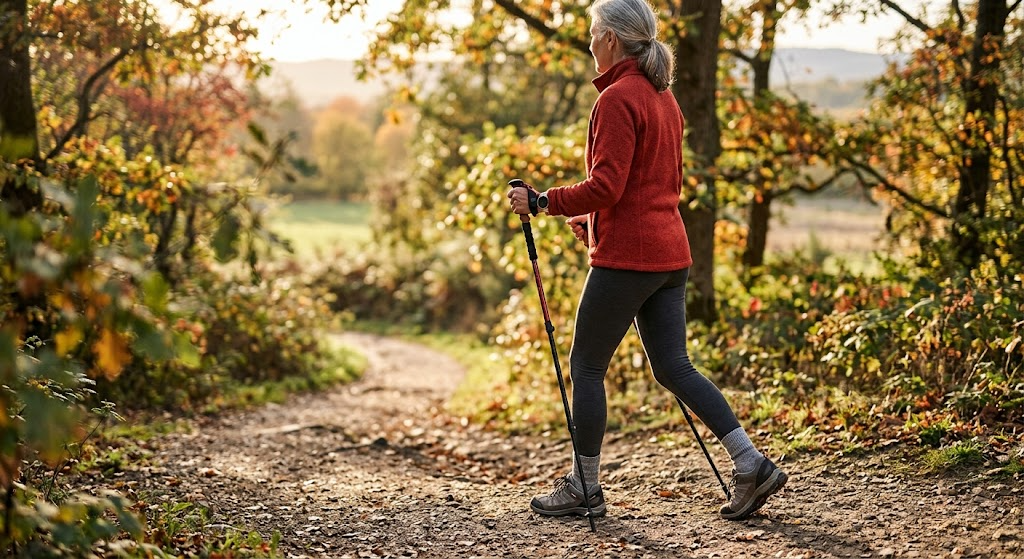
- Walking, jogging, hiking – impact stimulates bone growth
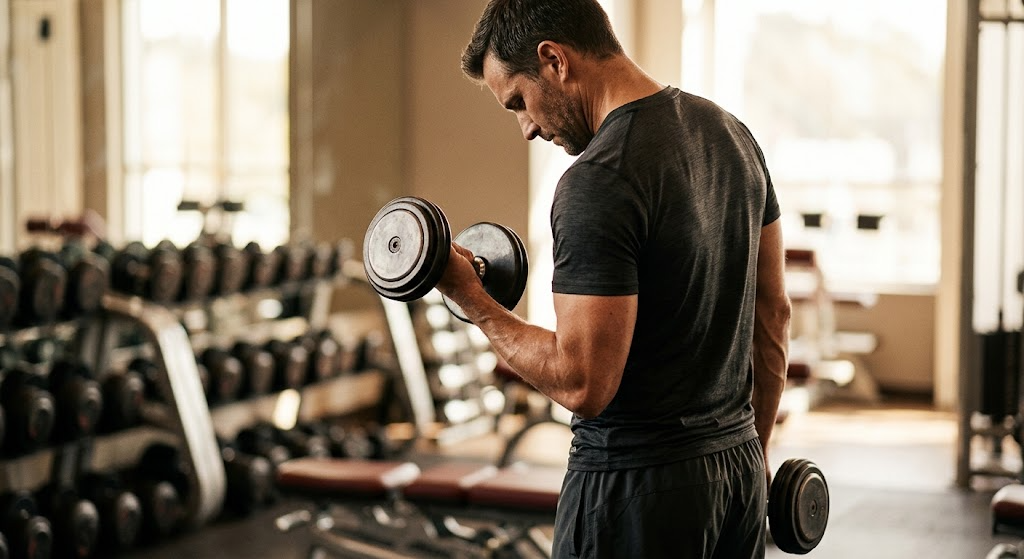
- Strength training – builds muscle and bone simultaneously
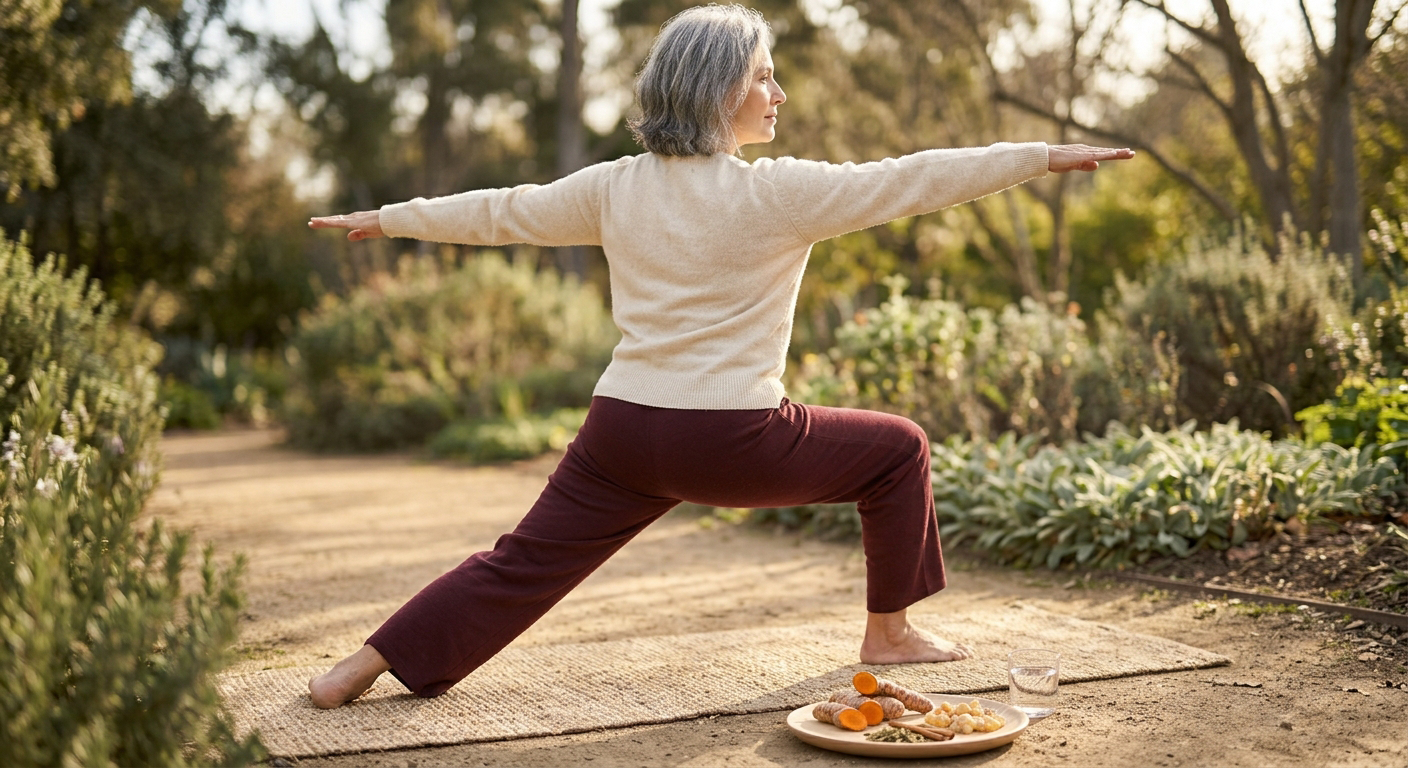
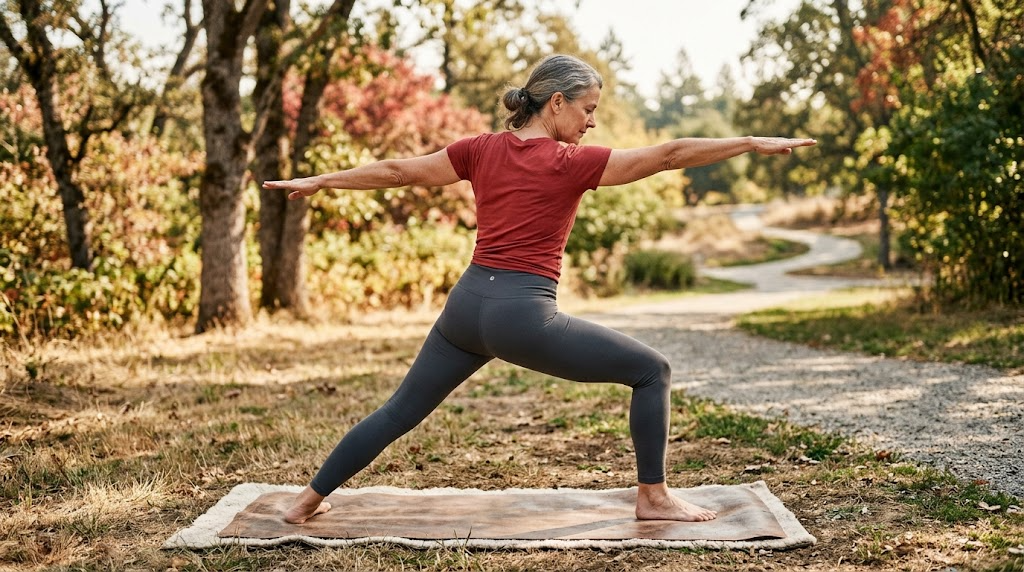
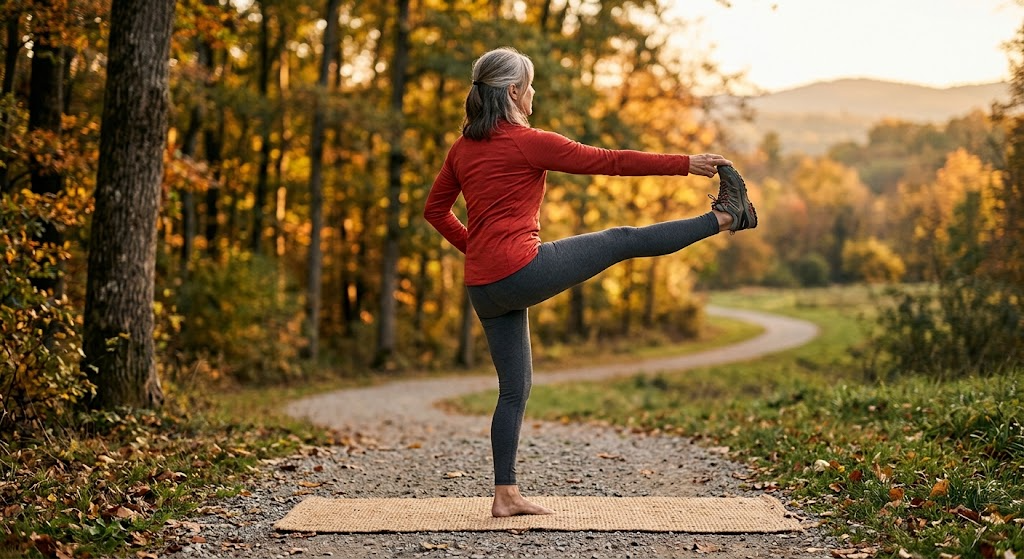
- Yoga and Pilates – improves balance and flexibility
- Dancing – fun way to load bones
- Stair climbing – excellent for hip bone density
Aim for at least 30 minutes of weight-bearing exercise most days of the week.
Choosing the Right Bone Health Supplement for Women
When selecting a calcium supplement, women should look for:
- Calcium Citrate – better absorbed, especially for those over 50 or with low stomach acid
- Vitamin D3 – essential for calcium absorption
- Vitamin K2 – ensures calcium reaches bones, not arteries
- Appropriate dosing – split doses absorb better than one large dose
Bone X3 Plus is specifically formulated with these considerations in mind, providing Calcium Citrate with D3 and K2 in a convenient tablet that supports women’s bone health at every life stage.
Conclusion
Protecting your bones is a lifelong journey, but it’s never too early or too late to start. By understanding the unique challenges women face – especially around menopause – and taking proactive steps with nutrition, exercise, and appropriate supplementation, you can maintain strong, healthy bones for decades to come.
Remember: your bones are living tissue that responds to how you treat them. Give them the support they need, and they’ll support you through an active, independent life.
Start investing in your bone health today.