Omega-3 fatty acids are widely recognized for supporting heart, brain, and joint health. But when it comes to joint support supplements, many people ask an important question:
Is fish oil better than krill oil—or should you take both?
Understanding the difference between these two powerful marine sources of Omega-3 can help you choose a smarter strategy for long-term mobility and flexibility.
Why Omega-3 Is Important for Joint Health
Omega-3 fatty acids—particularly EPA (eicosapentaenoic acid) and DHA (docosahexaenoic acid)—play a critical role in supporting the body’s natural inflammatory balance.
Healthy inflammatory regulation is essential for:
- Maintaining joint flexibility
- Supporting comfortable movement
- Promoting recovery after exercise
- Supporting long-term cartilage integrity
Because the body cannot efficiently produce Omega-3 on its own, supplementation is often necessary—especially in modern diets high in Omega-6 fats.
What Is Fish Oil?
Fish oil is derived from fatty fish such as anchovies, sardines, and mackerel. It is one of the most studied and widely used Omega-3 sources.
Benefits of Fish Oil for Joints:
- High concentration of EPA and DHA
- Supports inflammatory balance
- Helps maintain joint comfort
- Supports post-exercise recovery
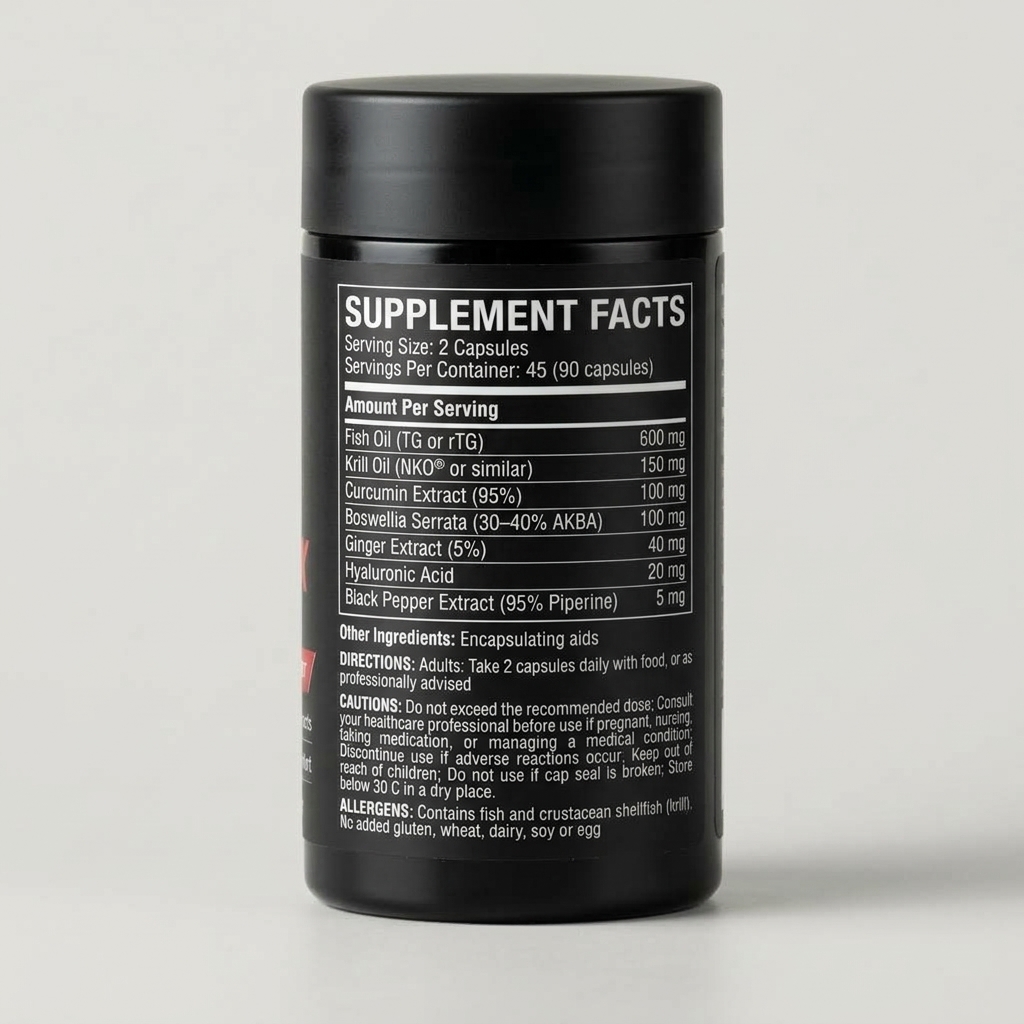
High-quality fish oil in triglyceride (TG) or re-esterified triglyceride (rTG) form is known for superior absorption compared to ethyl ester forms.
Fish oil is ideal for delivering a high-potency Omega-3 dose, making it a foundational ingredient in joint support formulas.
What Is Krill Oil?
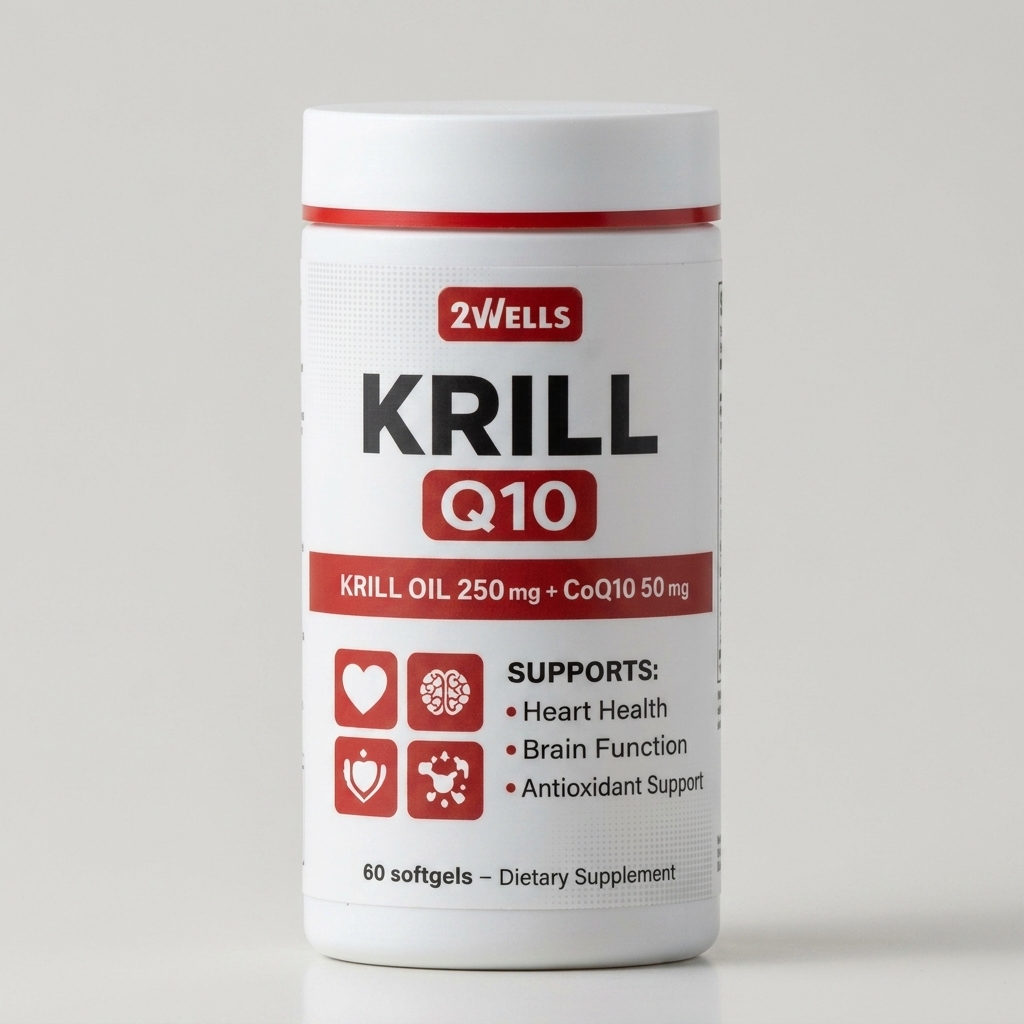
Krill oil is derived from Antarctic krill, small crustaceans found in cold ocean waters. Unlike fish oil, the Omega-3 in krill oil is bound to phospholipids.
Why Phospholipids Matter:
Phospholipid-bound Omega-3 may integrate more easily into cell membranes, potentially improving absorption and cellular utilization.
Krill oil also naturally contains antioxidants, which help protect fatty acids from oxidation.
Benefits of Krill Oil for Joints:
- Enhanced bioavailability
- Cellular membrane support
- Additional antioxidant support
- Complementary to fish oil
Krill oil typically contains lower total Omega-3 per serving than fish oil—but its structure provides unique advantages.
Fish Oil vs. Krill Oil: Key Differences
| Feature | Fish Oil | Krill Oil |
|---|---|---|
| Omega-3 Structure | Triglyceride | Phospholipid-bound |
| EPA/DHA Concentration | Higher | Moderate |
| Antioxidants | Limited | Naturally present |
| Absorption | High (TG/rTG form) | Potentially enhanced |
Rather than choosing one over the other, combining both may provide broader joint support.
Why Combining Fish Oil and Krill Oil Makes Sense
A dual-source Omega complex provides:
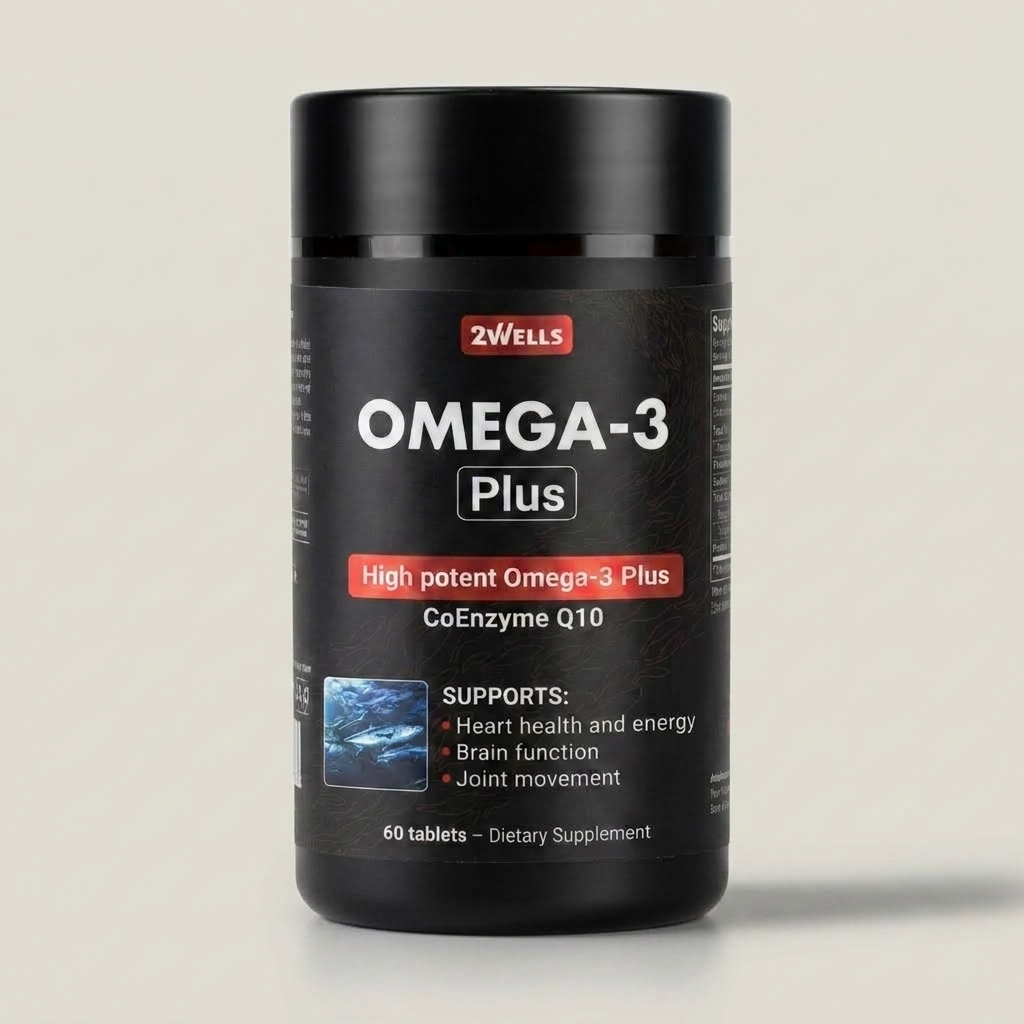
- High total EPA/DHA from fish oil
- Phospholipid delivery system from krill oil
- Antioxidant support
- Multiple absorption pathways
This layered approach addresses both quantity and bioavailability.
For individuals seeking advanced joint support, combining these sources may offer a more comprehensive solution than relying on one alone.
Why Add CoQ10?
Omega-3s provide the structural building blocks of cell membranes, but cells also need energy to use them. Coenzyme Q10 plays a role in mitochondrial energy production, and natural levels may decline with age — which is why some formulas pair krill oil with CoQ10 rather than offering omega-3s alone.
The two work on different parts of the same problem: omega-3s support the structure, CoQ10 supports the energy production that happens inside it.
Who Should Consider a Dual Omega Formula?
A combination Omega formula may be beneficial for:
- Adults over 40
- Athletes and runners
- Weightlifters
- Individuals with joint stiffness
- Those seeking mobility support
Consistency is key. Omega-3 works gradually by supporting cellular function and inflammatory balance over time.
Supporting Long-Term Joint Mobility
Joint health is influenced by inflammation, oxidative stress, lubrication, and structural integrity. Omega-3 addresses the inflammatory and cellular aspects, making it one of the most important foundational nutrients for mobility.
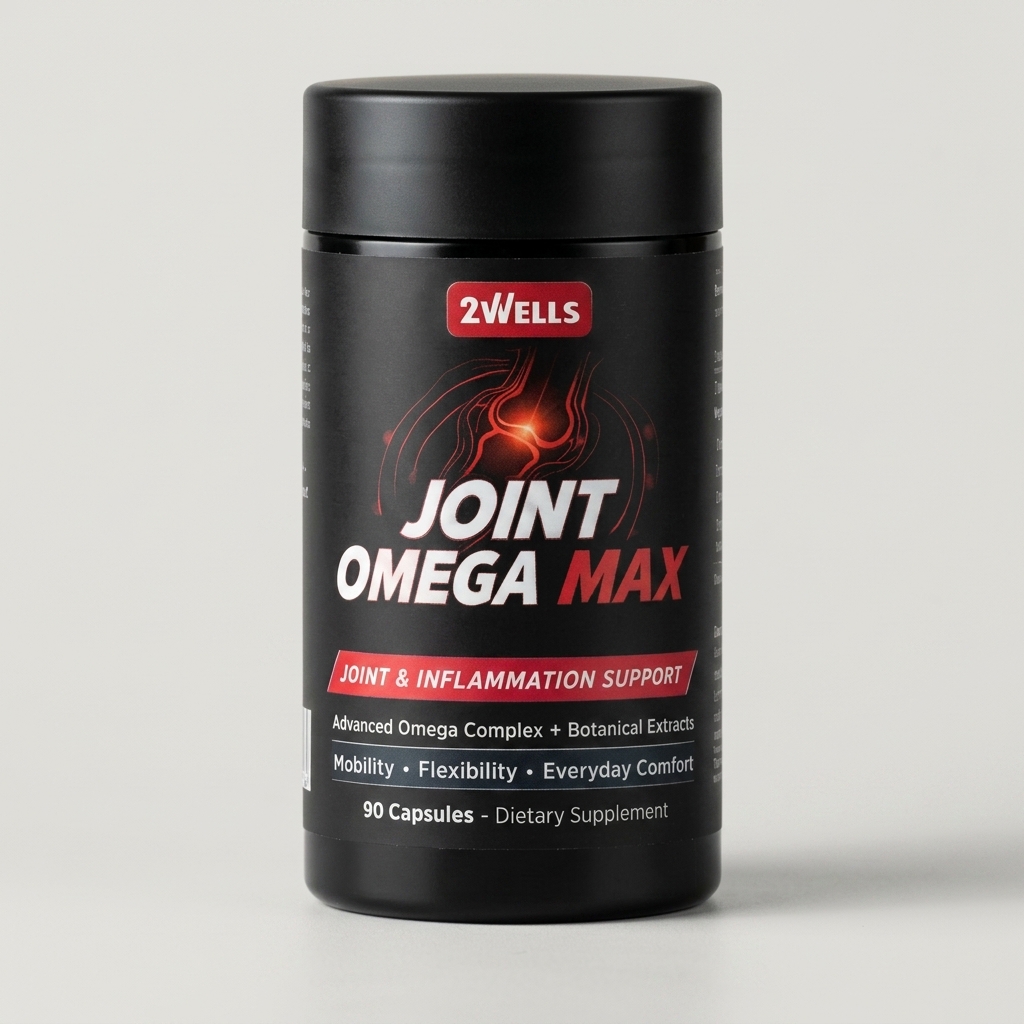
When paired with botanical extracts and joint-lubricating compounds, Omega-3 becomes part of a comprehensive joint support strategy.
Choosing a formula that includes both fish oil and krill oil ensures you’re supporting your joints from multiple angles—helping you stay active, flexible, and confident in movement.