Calcium is one of the most talked-about nutrients in childhood nutrition — and for good reason. It plays a central role in building strong bones and teeth, supporting muscle function, and maintaining overall development.
But how much calcium do children really need? And is calcium alone enough to support proper growth?
Let’s break it down in a practical, parent-friendly way.
Why Calcium Is So Important During Childhood
About 99% of the body’s calcium is stored in bones and teeth. During childhood and adolescence, bones grow rapidly and accumulate mineral density that will support strength throughout adulthood.
Peak bone mass — the maximum strength and density bones achieve — is largely built before age 20. That means childhood is a critical window for building a strong skeletal foundation.
Without adequate calcium intake during these years, bones may not develop optimally.
Recommended Calcium Intake for Children
According to general dietary guidelines:
- Ages 1–3: ~700 mg per day
- Ages 4–8: ~1,000 mg per day
- Ages 9–18: ~1,300 mg per day
These amounts include calcium from food and supplements combined.
However, intake alone does not guarantee absorption.
Food Sources of Calcium
Calcium can be found in:
- Milk
- Yogurt
- Cheese
- Fortified plant milks
- Leafy green vegetables
- Tofu
- Almonds
While dairy is a common source, many children today consume less milk due to taste preferences or dietary restrictions.
Picky eating habits can also make consistent calcium intake challenging.
Is Calcium Alone Enough?
This is where many parents misunderstand bone nutrition.
Calcium is essential — but it does not work alone.
For calcium to be properly absorbed and utilized, the body also needs:
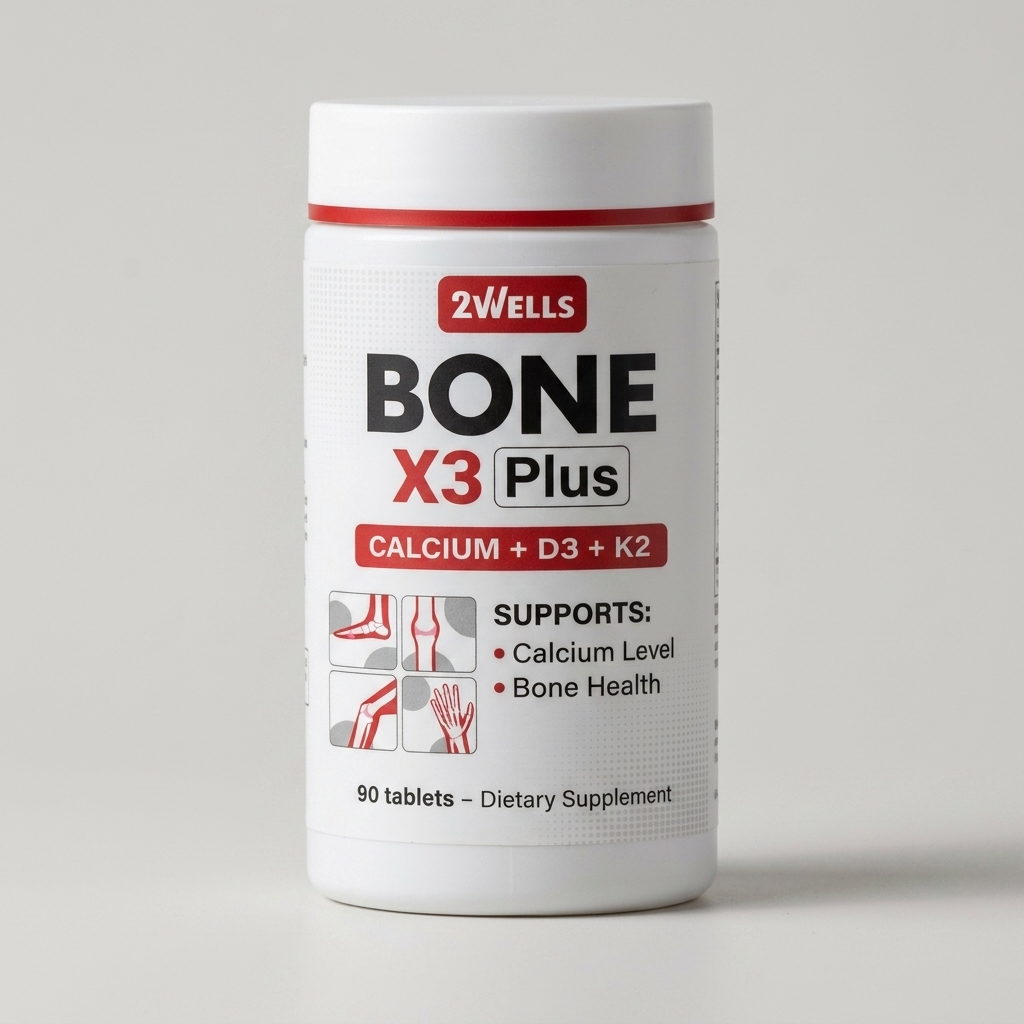
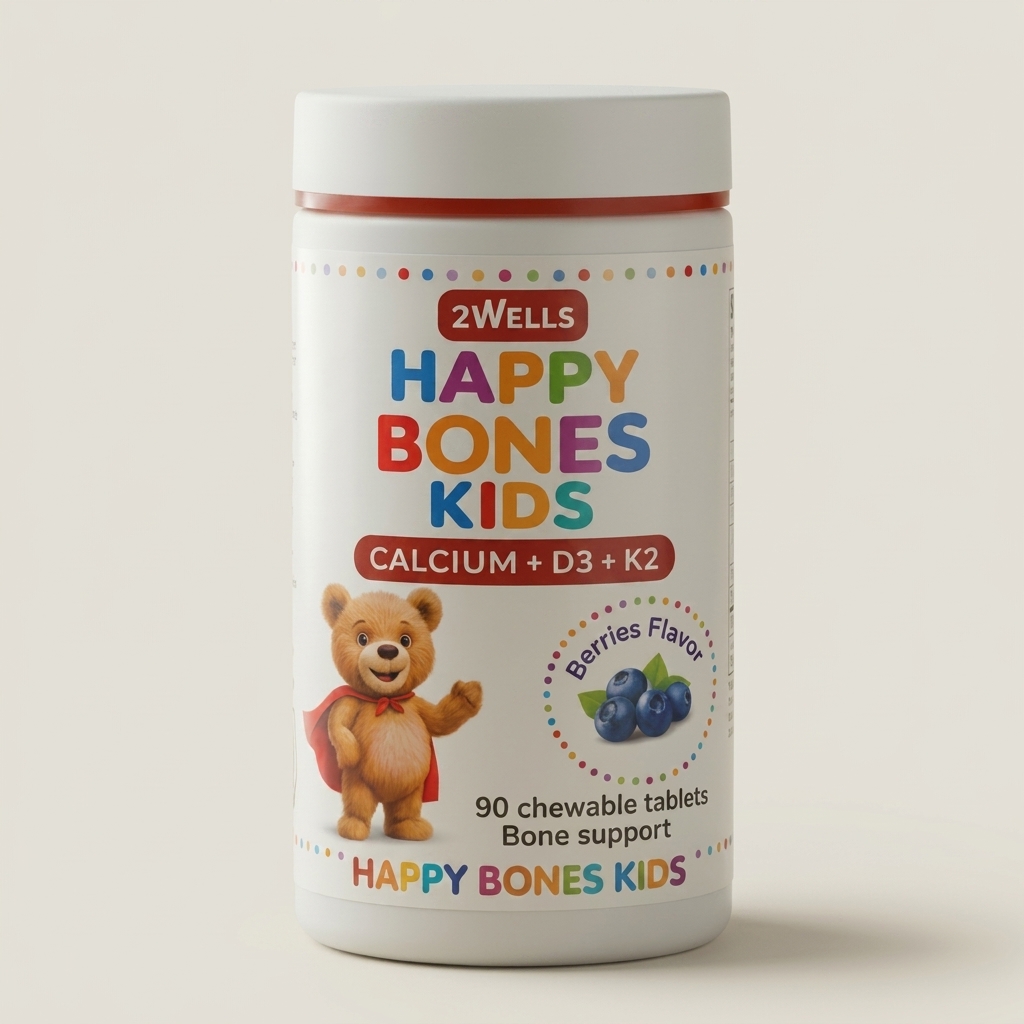
Vitamin D3
Helps the intestines absorb calcium efficiently.
Vitamin K2
Supports proper calcium distribution to bones.
Magnesium
Plays a role in bone mineralization and muscle function.
Without these nutrients, calcium may not be fully utilized.
Signs of Inadequate Calcium Intake
Children may not show obvious signs immediately, but long-term low intake may affect:
- Bone density
- Tooth strength
- Muscle function
- Overall skeletal development
Because growth happens gradually, nutritional gaps can go unnoticed without careful attention.
Growth Spurts Increase Demand
During rapid growth phases — especially between ages 4–12 and again in adolescence — nutrient needs increase.
Active children involved in sports may also require consistent mineral intake to support bone strength and muscle recovery.
Providing balanced nutrition during these periods is especially important.
When Should Parents Consider Supplementation?
Supplementation may be considered when:
- Dairy intake is low
- Vitamin D levels are insufficient
- Diet lacks variety
- Child is a selective eater
- Rapid growth phase increases demand
However, supplementation should always complement — not replace — a balanced diet.
Safety Matters
While calcium is essential, excessive intake is not beneficial.
Parents should:
- Follow recommended serving sizes
- Avoid combining multiple high-calcium supplements
- Consult healthcare providers if unsure
Balance is key.
Supporting Bone Health Beyond Nutrition
Nutrition works best when combined with:
- Regular physical activity (especially weight-bearing exercise)
- Outdoor play
- Adequate sleep
- Balanced protein intake
- Limited ultra-processed foods
Strong bones are built through lifestyle consistency, not single solutions.
Final Thoughts
Calcium plays a foundational role in childhood growth — but it is part of a broader nutritional system.
Parents who understand the synergy between calcium, Vitamin D3, Vitamin K2, magnesium, and overall lifestyle habits are better equipped to support their child’s healthy development.
Strong bones today create confidence and strength for tomorrow.