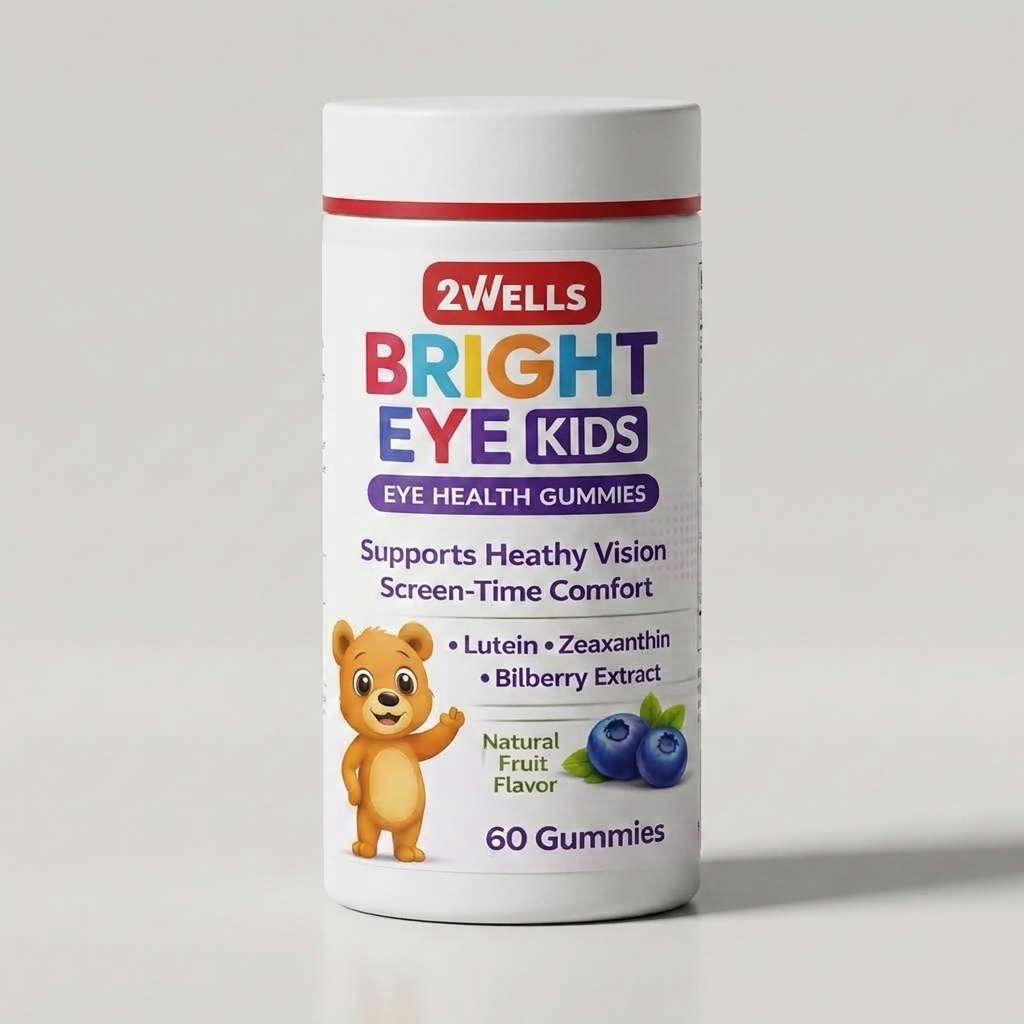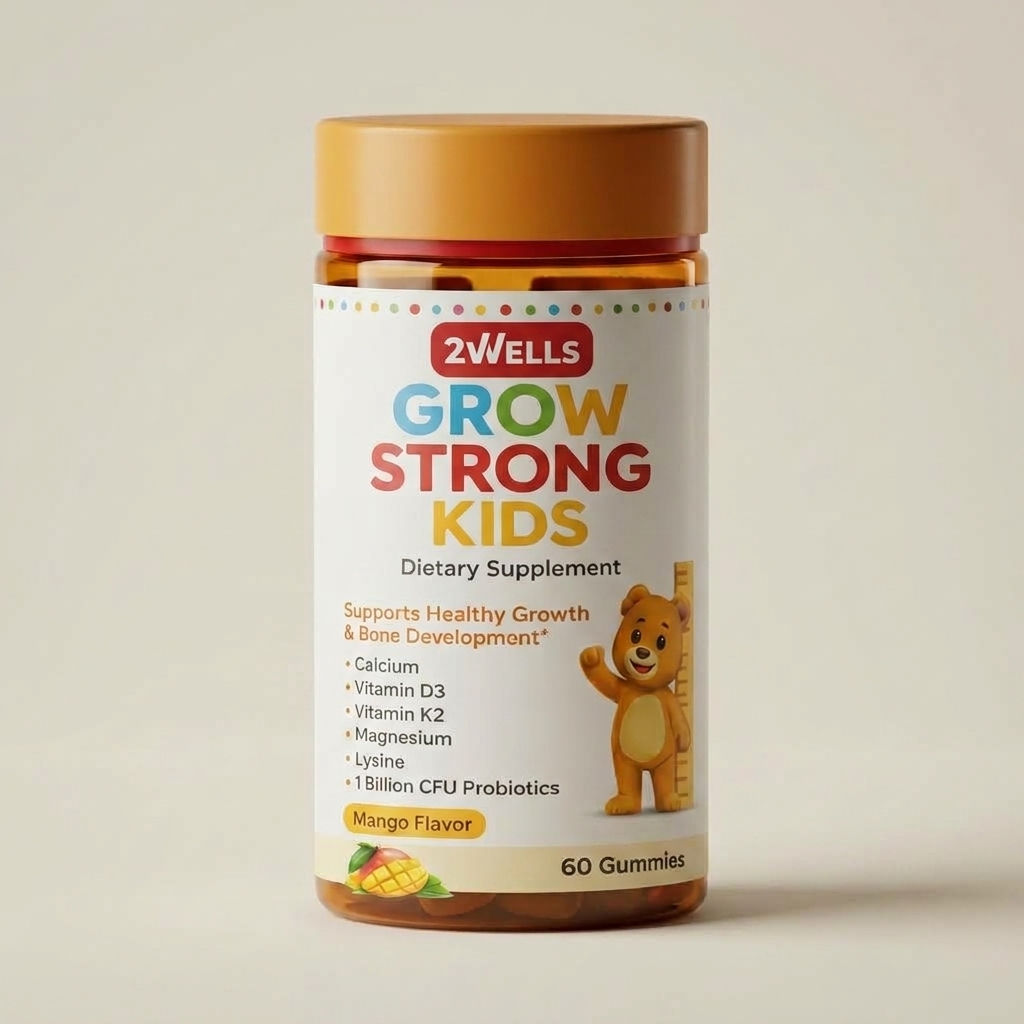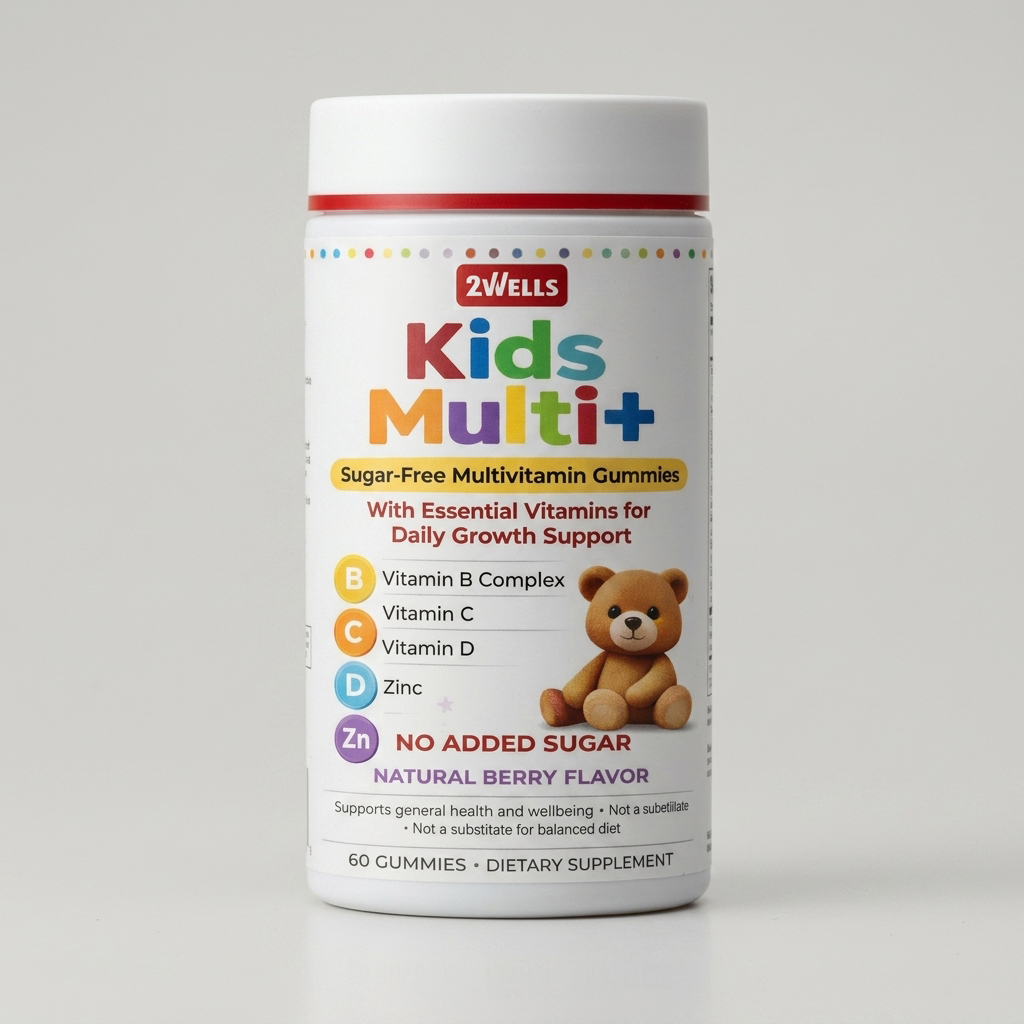
Children's multivitamins are among the most widely bought supplements and among the least examined. The honest answer to whether a child needs one is that it depends — on their diet, the season, and where you live. This article sets out which nutrients are genuinely difficult to obtain, which are easy, what official guidance actually says, and how to tell which situation applies to your child.
Start With the Diet, Not the Bottle
The NHS position is that most people “should get all the nutrients they need by having a varied and balanced diet,” while acknowledging that “some people may need to take extra supplements.” That framing is useful: a supplement is for a specific gap, not a replacement for food.
In practice, most children eating a reasonable range of foods are not short of most nutrients. The gaps that do occur tend to be specific and predictable.
The Nutrients That Are Genuinely Hard to Get
Vitamin D
This is the clearest case. Vitamin D helps “regulate the amount of calcium and phosphate in the body,” needed for healthy bones, teeth and muscles. Children aged one and over need 10 micrograms a day, and babies 8.5 to 10.
The difficulty is that it comes mainly from sunlight rather than food. Between late March and September most people make what they need; outside that window they largely cannot. The NHS lists all babies and children aged one to four as an at-risk group, and recommends everyone consider a daily supplement during autumn and winter.
Vitamin B12 in restricted diets
B12 helps the body make red blood cells, keep the nervous system healthy, release energy from food and use folate. It is not naturally found in fruit, vegetables or grains, so children on vegan diets may not get enough from food.
The Nutrients That Usually Take Care of Themselves
Calcium is widely available — dairy, fortified soya drinks, leafy greens, fortified flour and fish with bones all contribute. Zinc comes from meat, shellfish, dairy and bread. The B vitamins as a group are spread broadly across everyday foods.
A child eating across these categories is unlikely to be meaningfully short, and adding a supplement changes little.
When a Multivitamin Makes More Sense
- Through autumn and winter, for vitamin D specifically
- Where a child's diet is genuinely restricted — vegan, multiple allergies, very narrow range
- Where a doctor has identified a specific shortfall
- During periods of limited outdoor time, such as illness or recovery
Note that the first of these is arguably an argument for a vitamin D supplement rather than a multivitamin, which is a reasonable conclusion to reach.
What to Look at on the Label
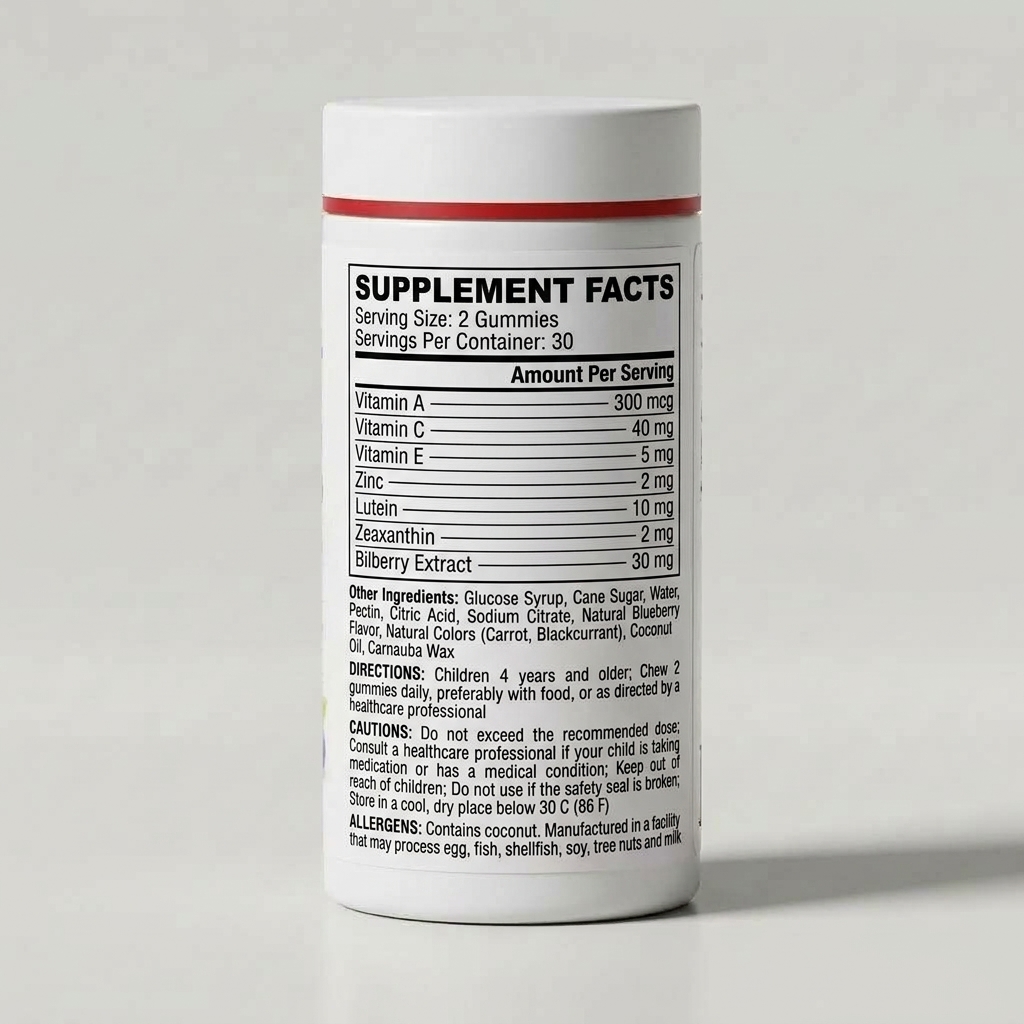
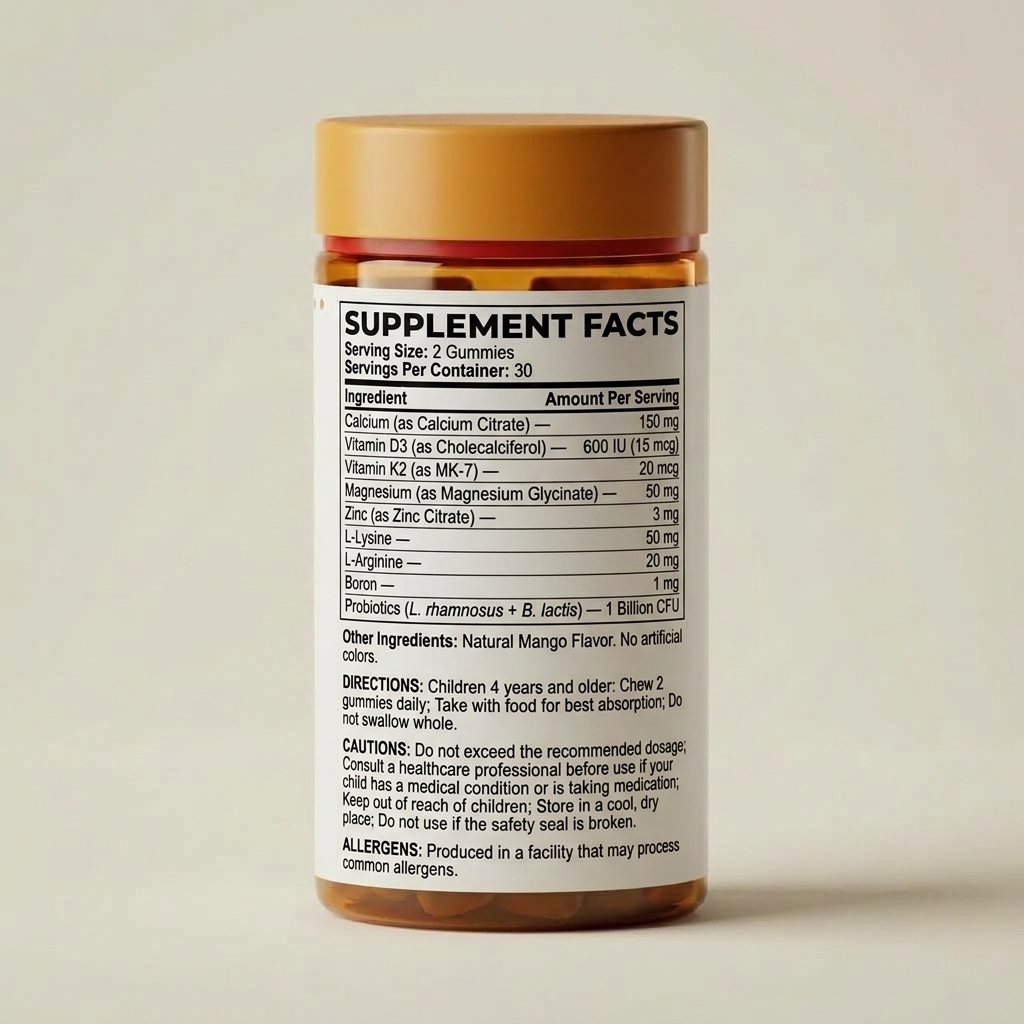
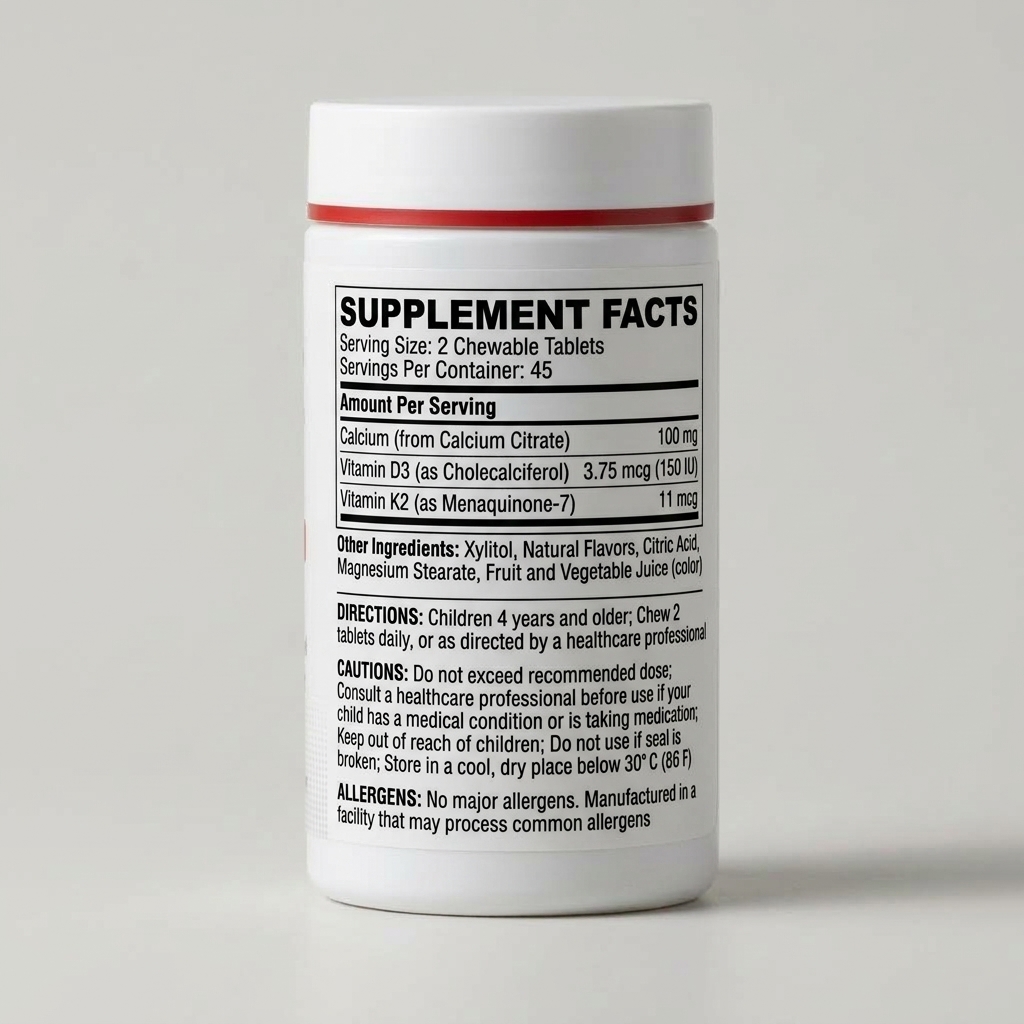
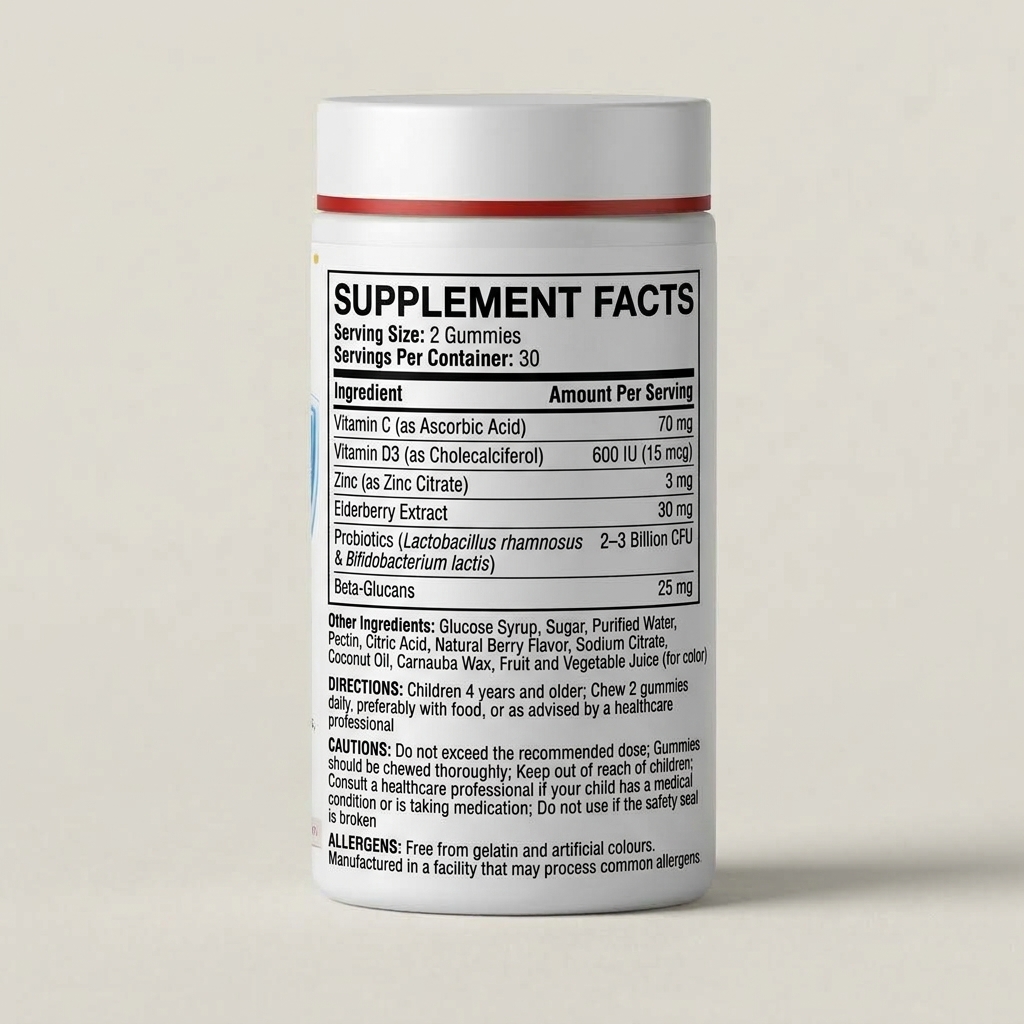
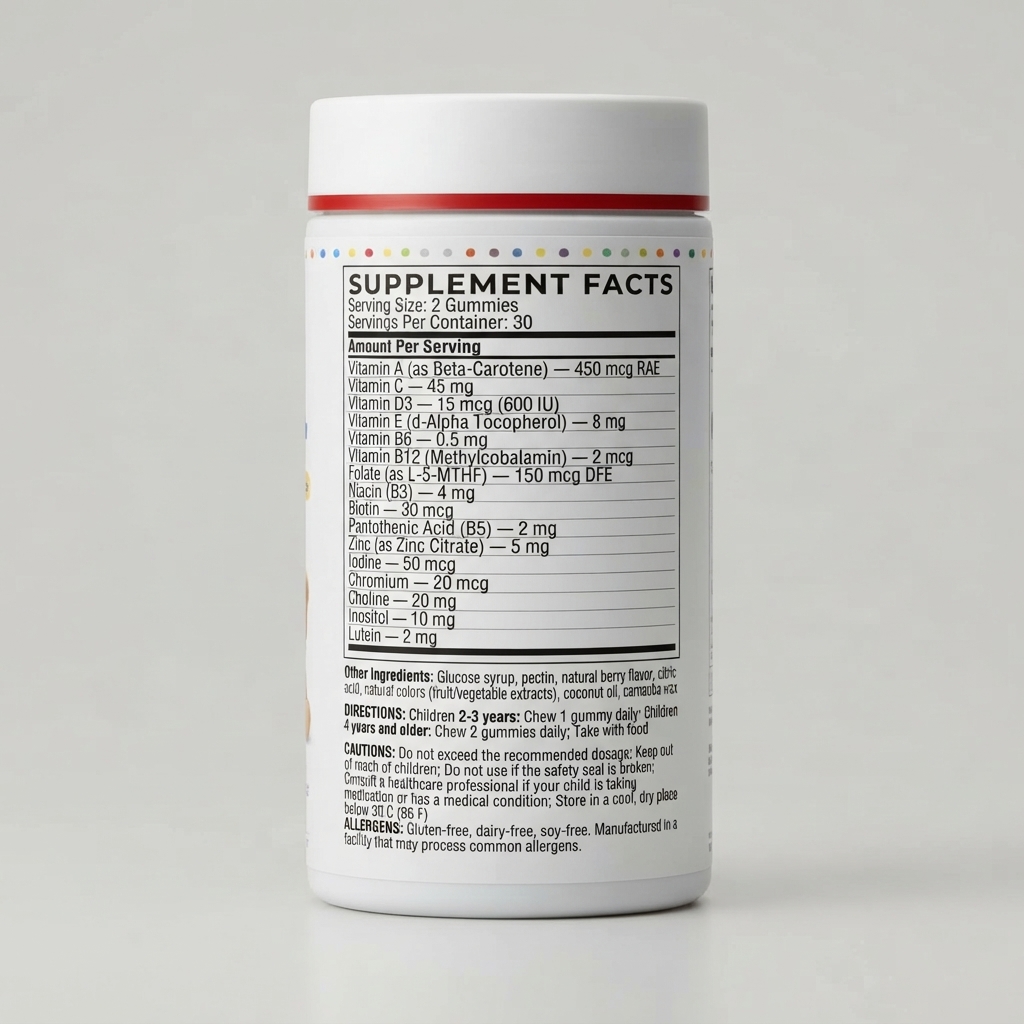
Amounts are usually shown as a percentage of a daily value for a given age band. More is not better: fat-soluble vitamins such as A and D accumulate in the body, so products well above recommended amounts are not an advantage. Check that the age band on the label matches your child.
Frequently Asked Questions
Will a multivitamin fix fussy eating?
It may cover some nutrient gaps, but it does not address the eating itself, and it cannot replace fiber, protein or the variety of a real diet. Think of it as a stopgap rather than a solution.
Are gummy vitamins as good as tablets?
The format matters less than the contents and whether the child takes it consistently. Gummies often contain added sugars, which is worth reading the label for.
Can children take too much?
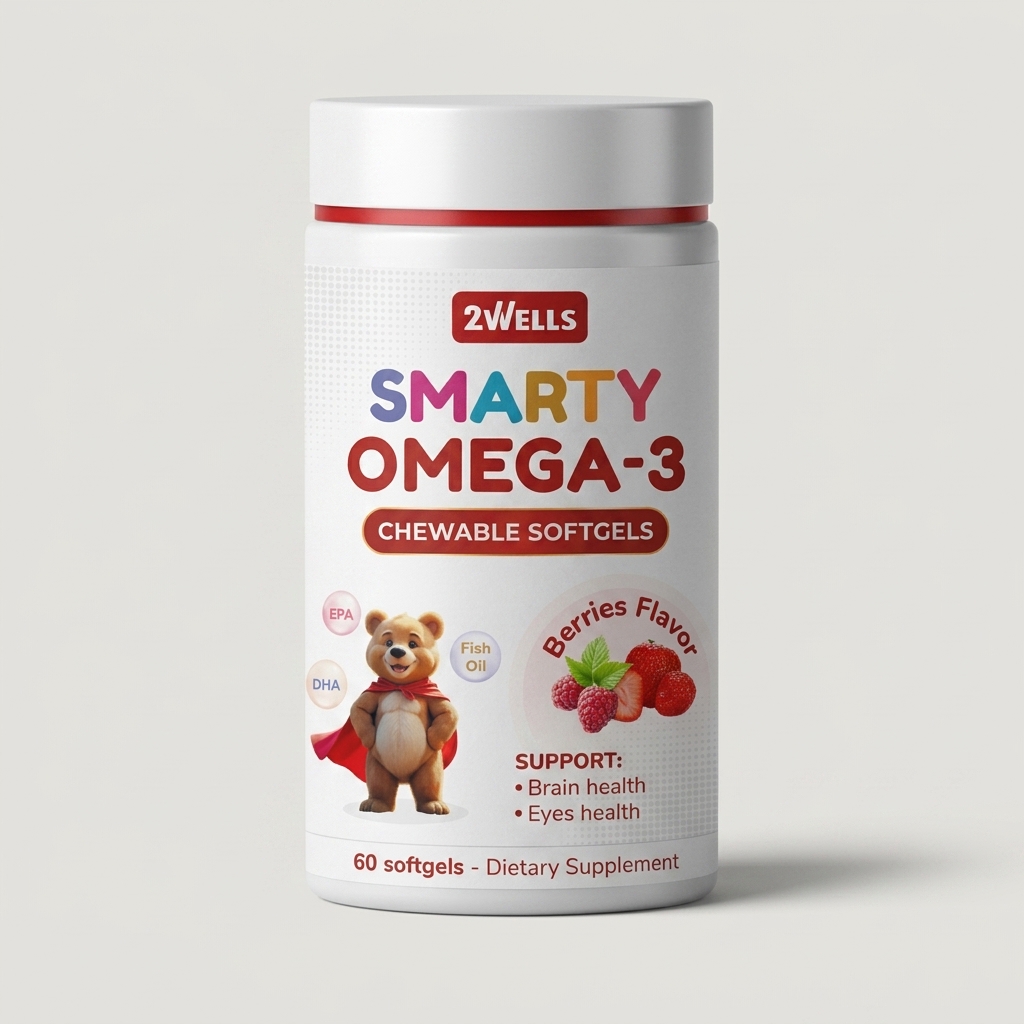
Yes, particularly with fat-soluble vitamins such as A and D, which accumulate. Follow the label for the child's age and store products out of reach — sweet-tasting gummies are easy to over-consume.
Does my child need one all year?
For vitamin D, the strongest case is autumn through spring. For everything else, it depends on their diet rather than the calendar.
Key Takeaways
- A varied diet covers most nutrients for most children
- Vitamin D is the clearest genuine gap, because it comes mainly from sunlight
- Children over one need 10 micrograms of vitamin D daily; babies 8.5–10
- B12 is the gap that matters on vegan diets, as it is absent from plant foods
- Calcium, zinc and most B vitamins are usually covered by ordinary eating
- More is not better — vitamins A and D accumulate in the body
Conclusion
If you are deciding whether to start, the useful question is not “is a multivitamin good?” but “what specifically is my child missing?” For many families the honest answer is vitamin D in winter and very little else. If your child's diet is restricted or you have concerns about their growth, ask a doctor or dietitian rather than working it out from a label.
Scientific References
- Vitamin D — NHS, Vitamins and minerals
https://www.nhs.uk/conditions/vitamins-and-minerals/vitamin-d/ - B vitamins and folic acid — NHS, Vitamins and minerals
https://www.nhs.uk/conditions/vitamins-and-minerals/vitamin-b/ - Calcium — NHS, Vitamins and minerals
https://www.nhs.uk/conditions/vitamins-and-minerals/calcium/ - Others (zinc, magnesium, beta-carotene) — NHS, Vitamins and minerals
https://www.nhs.uk/conditions/vitamins-and-minerals/others/