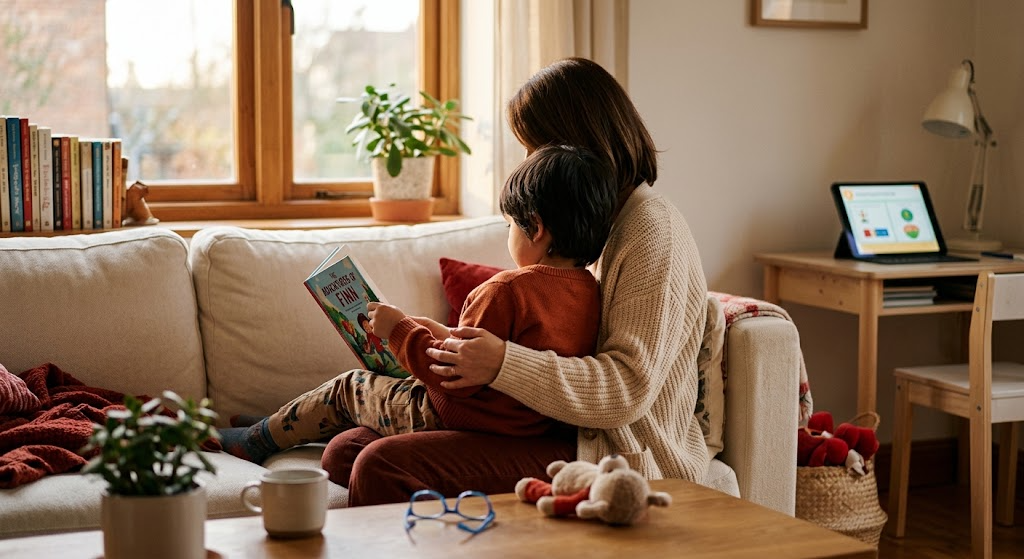
In today’s digital world, children spend hours each day looking at screens — from online classes and homework to games and entertainment. While technology plays an important role in education and social connection, extended screen exposure can sometimes leave kids feeling visually tired by the end of the day.
Understanding how to support screen-time comfort can help parents create healthier routines and promote long-term eye wellness.
What Is Digital Eye Strain in Children?
When children use screens for long periods without breaks, they may experience temporary visual discomfort. This is often called digital eye strain.
Common signs may include:
- Tired or dry eyes
- Frequent blinking or eye rubbing
- Headaches after device use
- Difficulty focusing
- Holding screens very close
Children often don’t complain directly about eye fatigue, so it’s important for parents to observe subtle signs.
Why Screens Can Be Tiring for Young Eyes
Unlike adults, children’s visual systems are still developing. Several factors make screens more demanding:
1. Reduced Blinking
When focused on digital content, kids blink less. Blinking helps keep the eyes moisturized and comfortable.
2. Close Viewing Distance
Tablets and phones are often held closer than recommended, increasing strain.
3. Prolonged Focus
Looking at a fixed distance for long periods tires the eye muscles.
4. Evening Screen Exposure
Blue-enriched light from screens may interfere with natural wind-down routines before bedtime.
The goal isn’t to eliminate technology — it’s to create balance.
Simple Daily Habits to Improve Screen-Time Comfort
Parents can help support eye comfort with a few easy changes.
Follow the 20-20-20 Rule
Every 20 minutes, encourage your child to look 20 feet away for 20 seconds. This relaxes eye muscles.
Adjust Lighting
Avoid bright overhead glare. Soft, indirect lighting reduces contrast strain.
Increase Text Size
Larger text reduces squinting and strain.
Encourage Outdoor Time
Natural daylight and distance viewing help relax visual focus.
Create Screen-Free Evenings
Limiting screens 1 hour before bed supports visual comfort and better sleep.
Why Children’s Eyes Are More Sensitive
Children’s eyes are still developing. Compared to adults, they:
- Blink less frequently when using screens
- May hold devices closer to their eyes
- Have clearer lenses that allow more blue light to reach the retina
Over time, excessive screen use may contribute to visual discomfort, dryness, and eye fatigue.
The Role of Nutrition in Eye Support
In addition to healthy habits, proper nutrition plays a key role in supporting children’s visual health.
Certain nutrients are particularly important for growing eyes:
Lutein & Zeaxanthin
These carotenoids are naturally found in the eye and help support visual function. They also play a role in filtering certain types of light.
Vitamin A
Contributes to normal vision and supports overall eye health.
Vitamin C & Vitamin E
These antioxidants help protect cells from oxidative stress.
Zinc
Helps transport Vitamin A and contributes to maintaining normal vision.
Bilberry Extract
Traditionally used to support visual wellness due to its antioxidant compounds.
When children are picky eaters or don’t consume enough leafy greens and colorful fruits, supplementation may help bridge nutritional gaps.
Watch for Signs of Eye Discomfort
Common signs include:
- Frequent eye rubbing
- Squinting
- Headaches after screen use
- Holding devices too close
Early detection helps maintain healthy habits.
Why Evening Routines Matter for Eye Comfort
After a full day of school and digital activities, evening routines become especially important.
Instead of transitioning from one screen to another, try:
- Reading printed books
- Drawing or coloring
- Calm storytelling
- Soft warm lighting
These activities reduce visual demand and help eyes relax naturally.
A consistent bedtime routine not only supports eye comfort but also contributes to better sleep quality.
Supporting Long-Term Eye Wellness
Children today will grow up in a highly digital environment. Teaching them healthy screen habits early can help build lifelong visual awareness.
A balanced approach includes:
- Smart screen management
- Outdoor activity
- Regular eye check-ups
- Nutritional support
Eye health isn’t about one single solution — it’s about combining good habits with supportive nutrition.
The Takeaway for Parents
Technology is part of modern childhood. Rather than fearing it, families can focus on balance and proactive care.
By encouraging breaks, managing lighting, promoting outdoor play, and ensuring proper intake of eye-supporting nutrients, parents can help their children maintain comfortable vision — even after a long day of screen use.
Healthy eyes today help children learn, explore, and thrive tomorrow.