Why Children’s Immune Systems Need Consistent Support
Children are naturally curious explorers. From daycare and school to playgrounds and sports activities, they are constantly exposed to new environments. While this exposure helps build immune resilience over time, it also means their developing immune systems need reliable nutritional support.
Unlike adults, children’s immune systems are still maturing. During growth phases, the body prioritizes development — which increases the demand for vitamins and minerals that support normal immune function.
Nutrition is one of the foundational pillars of immune health.
How the Immune System Works (In Simple Terms)
The immune system acts like a protective network made of:
- White blood cells
- Antibodies
- Physical barriers (skin and mucous membranes)
- Communication signals between cells
For this system to function properly, it requires specific micronutrients daily.
Without adequate intake, immune responses may not function optimally.
The Top Immune-Supporting Nutrients for Children
1. Vitamin C – The Immune Classic
Vitamin C supports:
- Immune cell production
- Antioxidant protection
- Normal inflammatory response
Because vitamin C is water-soluble, it must be replenished daily through diet or supplementation.
2. Vitamin D3 – The Immune Regulator
Vitamin D plays a regulatory role in immune function. It helps coordinate immune responses rather than overstimulating them.
Many children today have lower sun exposure due to:
- Indoor school schedules
- Screen time
- Sunscreen use
This makes dietary intake especially important.
3. Zinc – The Immune Activator
Zinc contributes to:
- Normal immune cell development
- Wound healing
- Cellular communication
Zinc intake can fluctuate in children with limited meat or seed consumption.
4. Vitamin A – First-Line Defense
Vitamin A supports:
- Mucosal barriers (nose, throat, gut lining)
- Immune cell signaling
It acts as part of the body’s first protective barrier.
Why Balanced Dosages Matter
When it comes to kids’ immune support, more is not better.
High-dose supplements can:
- Disrupt nutrient balance
- Cause digestive discomfort
- Interfere with absorption of other nutrients
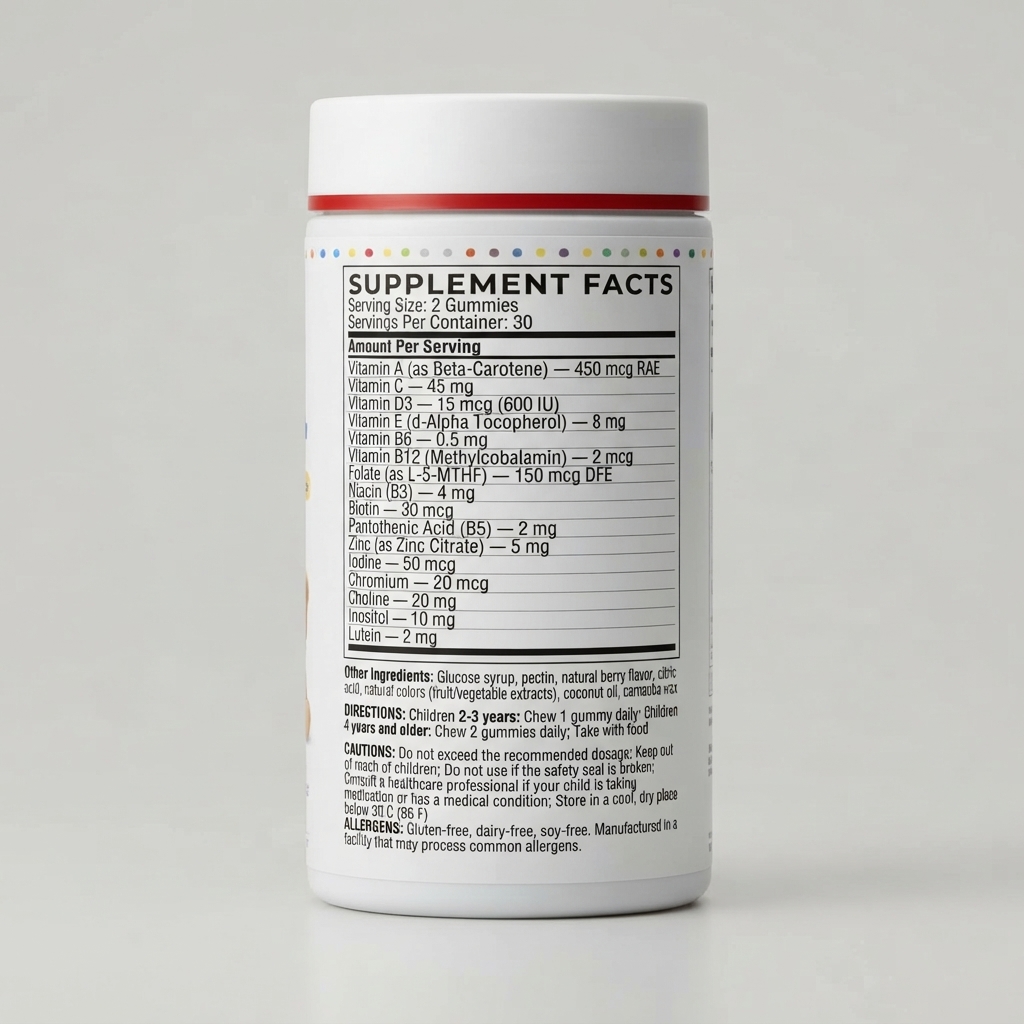
A well-formulated children’s multivitamin provides safe, age-appropriate levels designed for daily consistency.
The Role of Daily Habits
Nutrition works best when combined with:
- 8–10 hours of sleep
- Outdoor activity
- Proper hydration
- Hand hygiene
- Balanced meals
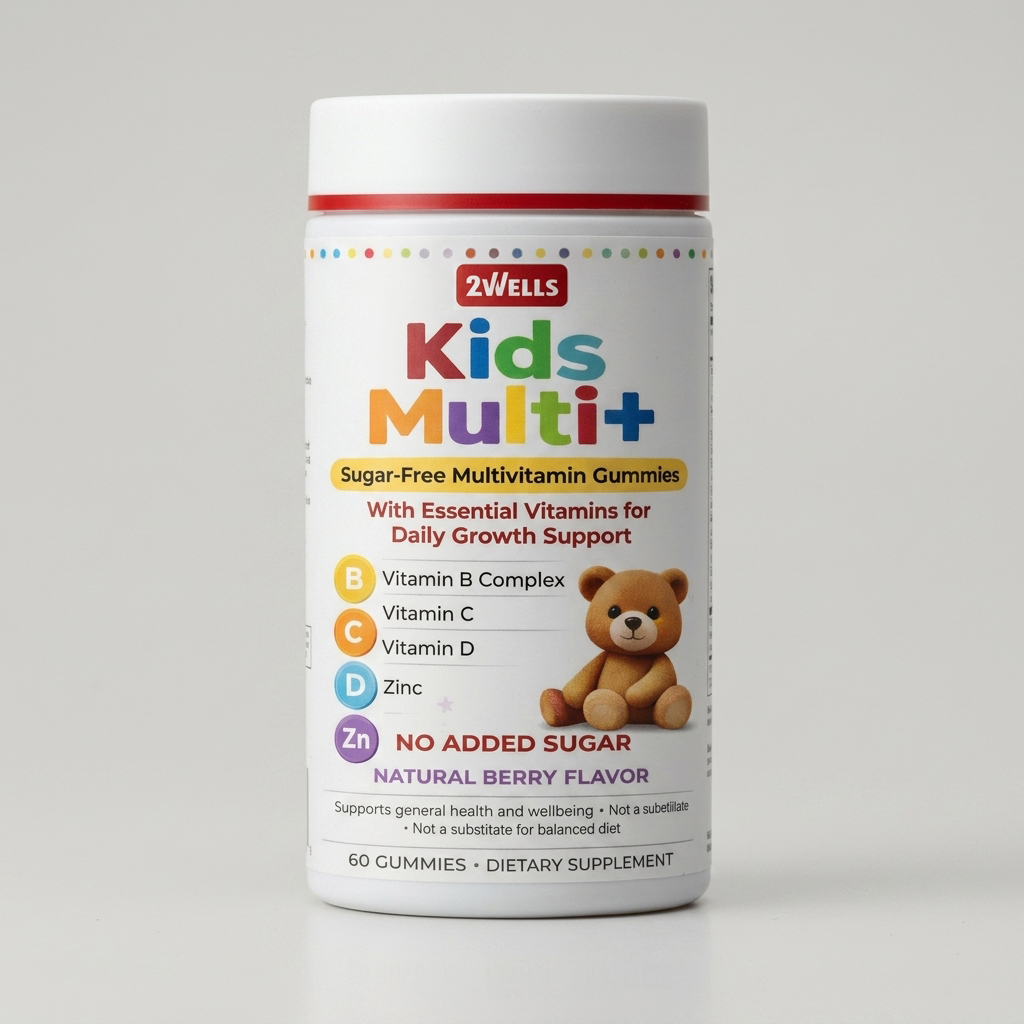
A sugar-free multivitamin can support consistency — especially for picky eaters.
Why Sugar-Free Matters in Immune Support
Many children’s gummies contain added sugar.
Excess sugar intake can:
- Contribute to dental concerns
- Encourage preference for overly sweet flavors
- Add unnecessary calories
Choosing a sugar-free multivitamin supports healthier long-term habits.
Immune Health Is a Long-Term Strategy
Immune resilience builds gradually over time. Consistency is more important than occasional high intake.
A daily routine of balanced micronutrients supports the immune system’s natural function without overstimulation.
Final Thoughts
Supporting children’s immune health starts with nutrition. Key vitamins like C, D, A, and minerals like zinc help maintain normal immune function when taken consistently in balanced amounts.
A sugar-free multivitamin designed for children can help fill dietary gaps — safely and effectively.