The link between the gut and the immune system is real, increasingly well studied, and routinely overstated in marketing. Understanding where the solid ground ends is genuinely useful for parents, because it separates the habits worth building from the products worth skipping. This article covers what the gut microbiome does, how it relates to immune function, what probiotics are, and what the evidence currently supports for children.
What the Gut Microbiome Does
The digestive tract hosts a large community of microorganisms. Cleveland Clinic describes a healthy gut microbiome as helping to “break down and absorb certain nutrients and medications” and — the part relevant here — helping “train your immune system to recognize and eliminate harmful microbes.”
That word “train” is the useful one. The relationship is educational rather than mechanical: exposure to a varied microbial community appears to help the immune system distinguish threats from things that can be safely ignored.
What Probiotics Are
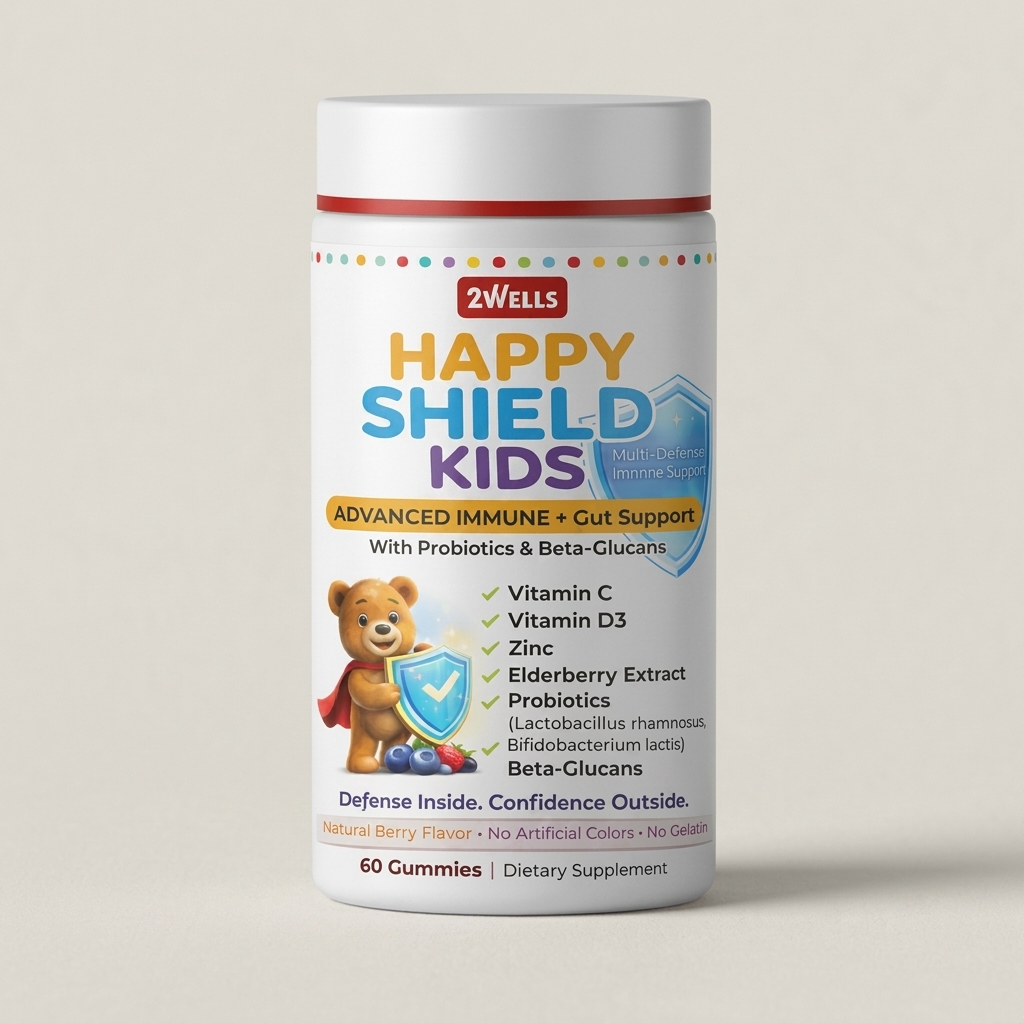
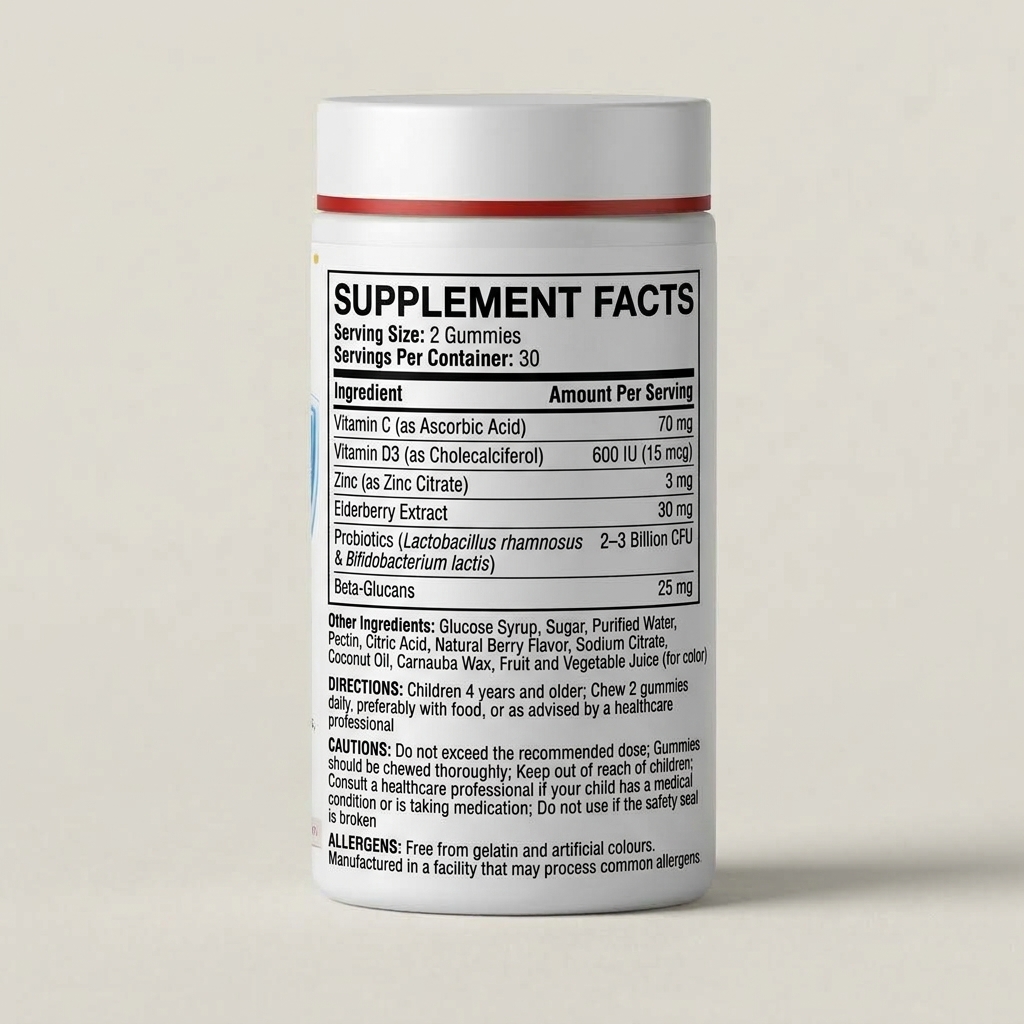
Cleveland Clinic defines probiotics as “live bacteria and yeasts that have beneficial effects on your body,” adding to existing populations of beneficial microbes. The proposed mechanism is that they help “fight off the less friendly types and boost your immunity against infections.”
They are found in fermented foods — yogurt with live cultures, kefir, some cheeses — as well as in supplements.
Where the Evidence Actually Stands
Here is the part most articles skip. Cleveland Clinic notes probiotics may help with specific issues including “antibiotic-associated diarrhea” and bowel regularity, then adds:
All of this is still under active research, though. We don't fully understand how it all works yet.
So the evidence is strongest for defined digestive situations rather than for general immune support. Claims that a probiotic will reduce how often a child catches colds go beyond what has been established.
It is also worth knowing that probiotics “aren't regulated by the FDA,” which means strain, dose and viability vary considerably between products.
A Word on the “70% of Immunity” Claim
You will see a statistic repeated widely — that some large percentage of the immune system lives in the gut. It appears without a source often enough that it is worth flagging: it is not stated in the clinical guidance cited here. The qualitative relationship is well supported; the specific number should be treated with caution wherever it appears unsourced.
Nutrients That Do Have Defined Immune Roles
| Nutrient | Role | Sources |
|---|---|---|
| Vitamin C | Helps protect cells and keep them healthy; supports skin, blood vessels, bones and cartilage; helps wound healing (NHS) | Citrus, peppers, strawberries, blackcurrants, broccoli, potatoes |
| Zinc | Making new cells and enzymes; processing carbohydrate, fat and protein; wound healing (NHS) | Meat, shellfish, dairy, bread |
| Vitamin D | Regulates calcium and phosphate for bones, teeth and muscles (NHS) | Mostly sunlight; few foods |
One practical note on vitamin C: the NHS states it “cannot be stored in the body, so you need it in your diet every day.” Adults need 40mg daily. That makes regular intake more relevant than occasional large doses.
What Actually Helps
- A varied diet — dietary variety supports microbial variety
- Fiber from vegetables, fruit, legumes and wholegrains, which gut bacteria feed on
- Fermented foods where your child will eat them
- Time outdoors and ordinary exposure to the environment
- Adequate sleep, which affects immune function independently of diet
Antibiotics have their place and are sometimes necessary; they also disturb the microbiome, which is the context in which probiotic evidence is strongest.
Frequently Asked Questions
Will probiotics stop my child getting ill?
The evidence does not support that. It is stronger for specific digestive situations such as antibiotic-associated diarrhea than for reducing infections generally.
Yogurt or a supplement?
Yogurt with live cultures is food first, contributes other nutrients, and is usually cheaper. Supplements allow specific strains and doses, which matters mainly when a doctor has recommended one.
Are probiotics safe for children?
They “appear to be safe for healthy people,” per Cleveland Clinic. There is a small risk of adverse effects for people with weakened immune systems, including those on immunosuppressants and premature infants — situations for medical advice.
Does a fussy eater need a probiotic?
Broadening the diet does more for microbial diversity than a supplement does. If intake is very restricted, ask a doctor or dietitian.
Key Takeaways
- A healthy gut microbiome helps train the immune system to recognize harmful microbes
- Probiotics are live bacteria and yeasts that add to beneficial populations
- Evidence is strongest for defined digestive issues; general immune claims outrun it
- Cleveland Clinic states the field is still under active research and not fully understood
- Probiotics are not FDA-regulated, so products vary in strain, dose and viability
- Vitamin C cannot be stored and is needed daily; adults need 40mg
Conclusion
The gut-immune relationship is genuine and worth supporting — mostly through dietary variety, fiber and ordinary living rather than a product. Probiotics have a real role in specific situations, particularly around antibiotics. If your child is unusually prone to infections or has persistent digestive symptoms, that deserves medical assessment rather than a supplement trial.
Scientific References
- Probiotics — Cleveland Clinic
https://my.clevelandclinic.org/health/articles/14598-probiotics - Vitamin C — NHS, Vitamins and minerals
https://www.nhs.uk/conditions/vitamins-and-minerals/vitamin-c/ - Others (zinc, magnesium, beta-carotene) — NHS, Vitamins and minerals
https://www.nhs.uk/conditions/vitamins-and-minerals/others/ - Vitamin D — NHS, Vitamins and minerals
https://www.nhs.uk/conditions/vitamins-and-minerals/vitamin-d/