Every parent wants to see their child grow strong and healthy. One of the most common questions pediatricians hear is: “How can I help my child grow taller?”
While genetics play a major role in determining height, lifestyle factors — especially nutrition, sleep, and physical activity — significantly influence a child’s growth potential.
Let’s break down what truly supports healthy height development and what parents can realistically do.
Understanding Height Potential
A child’s final height is influenced by:
- Genetics (parental height)
- Hormonal balance
- Nutrition
- Sleep quality
- Physical activity
- Overall health
While you cannot change genetics, you can optimize environmental factors that allow children to reach their natural height potential.
1️⃣ Nutrition: The Foundation of Growth
Bones lengthen at growth plates, which require adequate nutrients to function properly.
Key nutrients for height support include:
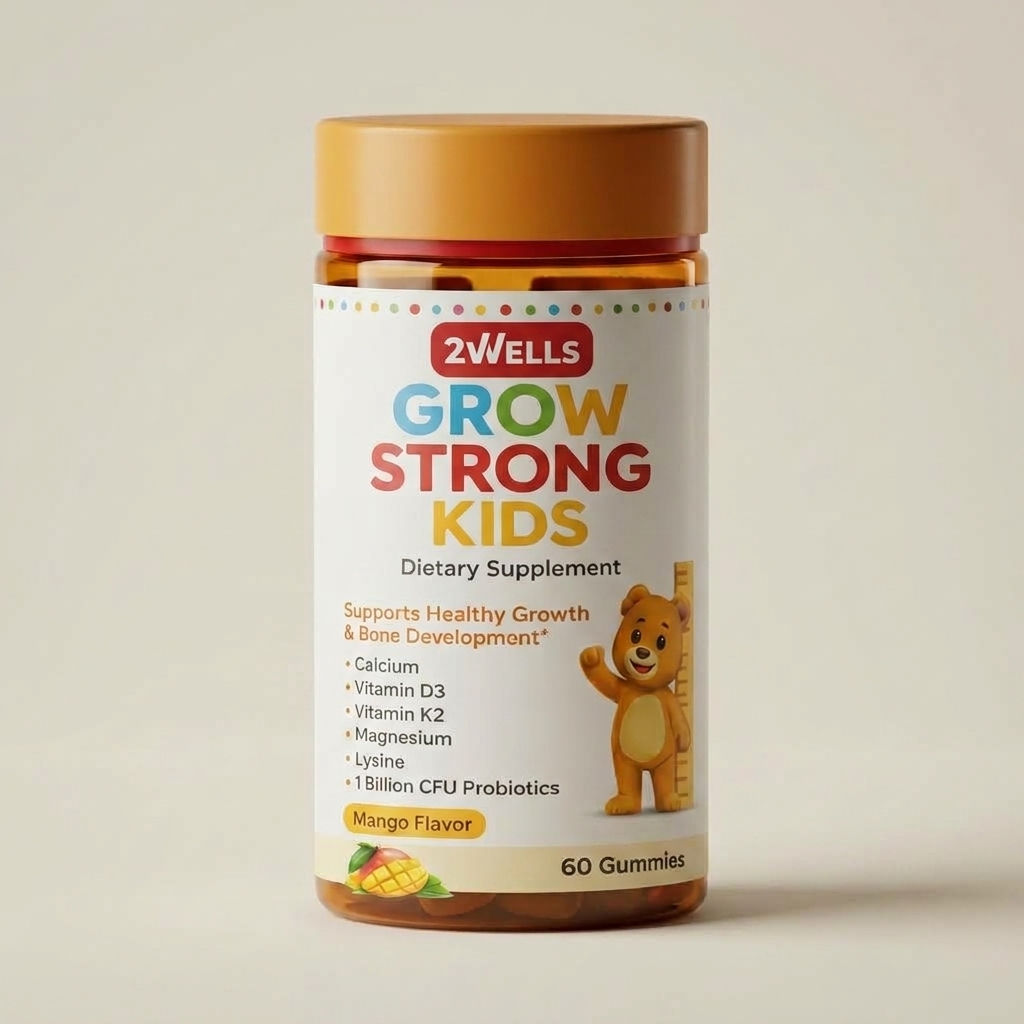
Calcium
Provides structural strength for developing bones.
Vitamin D3
Helps the body absorb calcium efficiently.
Vitamin K2
Supports proper calcium utilization in bones.
Magnesium
Plays a role in bone mineralization and muscle function.
Zinc
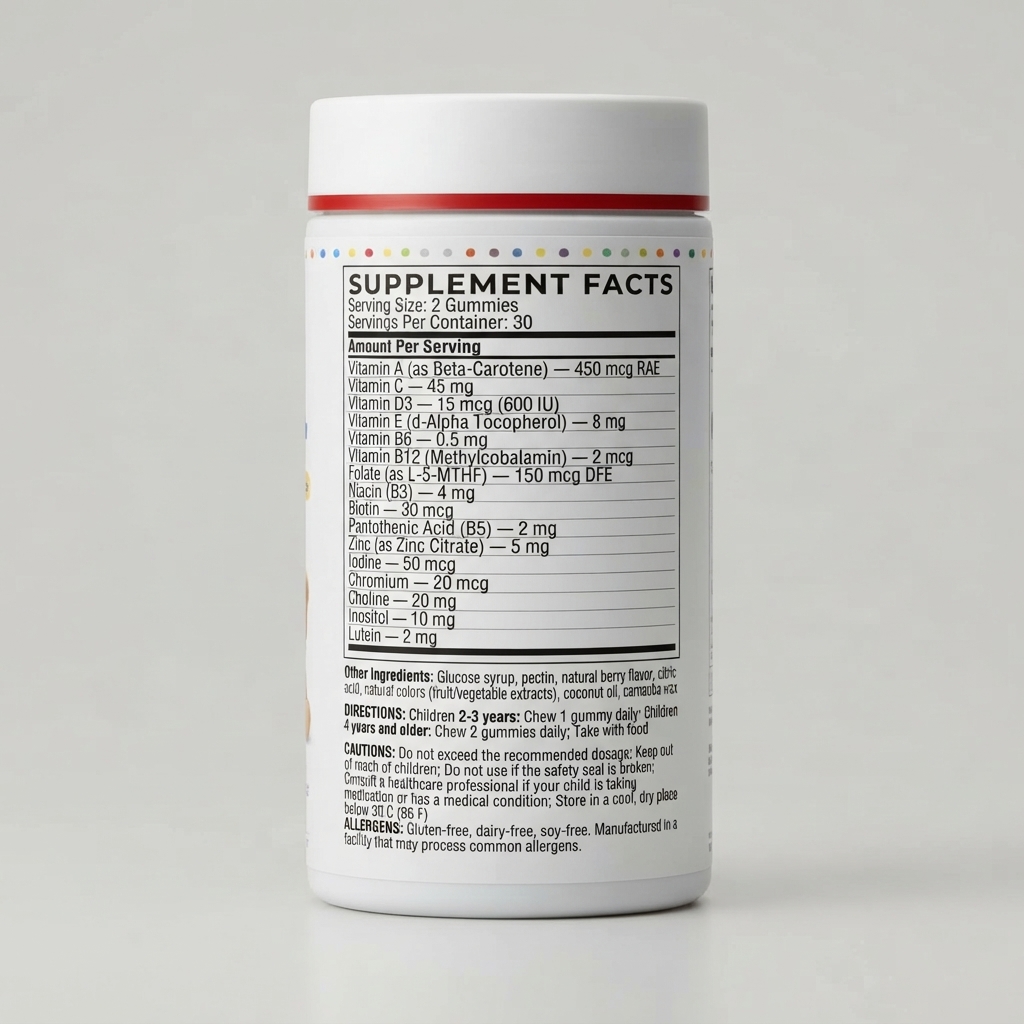
Supports normal growth and immune health.
Amino Acids (L-Lysine & L-Arginine)
Important for protein synthesis and normal development.
When children lack consistent nutrient intake, growth processes may not function optimally.
2️⃣ The Sleep Factor: Growth Happens at Night
Did you know that growth hormone is primarily released during deep sleep?
Children who consistently lack sleep may not optimize growth hormone production.
Recommended sleep durations:
- Ages 3–5: 10–13 hours
- Ages 6–12: 9–12 hours
- Teens: 8–10 hours
Healthy sleep habits include:
- Consistent bedtime routine
- Limited screen time before bed
- Dark, quiet sleep environment
- Balanced evening meals
Sleep is not optional for growth — it’s essential.
3️⃣ Physical Activity & Bone Strength
Weight-bearing activities stimulate bone growth and density.
Great growth-supporting activities include:
- Running
- Jumping
- Climbing
- Swimming
- Outdoor play
- Team sports
Physical activity also improves appetite and sleep quality, creating a positive growth cycle.
4️⃣ Gut Health & Nutrient Absorption
Even with good nutrition, poor digestion can limit nutrient absorption.
Healthy gut flora helps:
- Break down nutrients
- Improve mineral absorption
- Support immune health
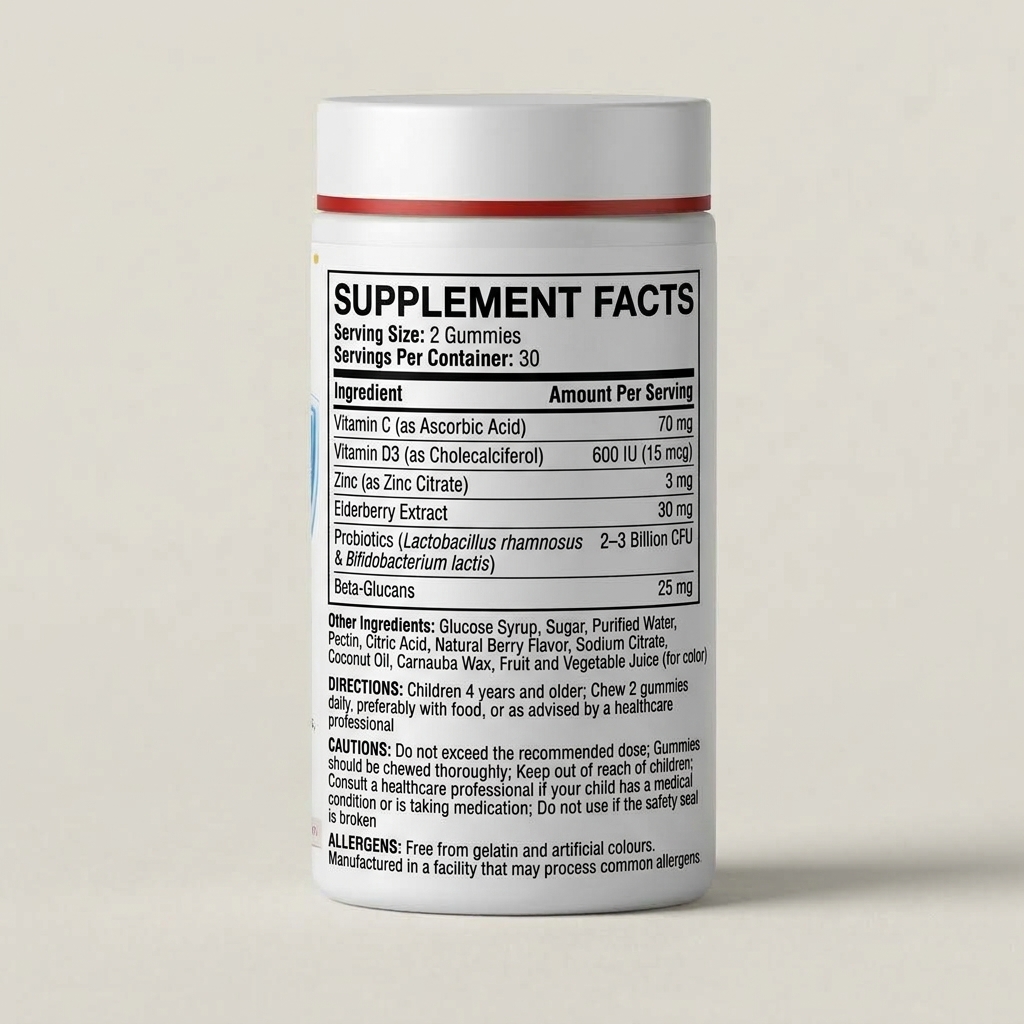
Probiotic strains like Lactobacillus rhamnosus and Bifidobacterium lactis support digestive balance, especially in children with picky eating habits.
5️⃣ When Should Parents Consider Supplements?
Supplements may be helpful when:
- A child is a selective eater
- Dairy intake is low
- Vitamin D levels are inadequate
- Growth spurts increase nutrient demand
- Busy schedules reduce diet consistency
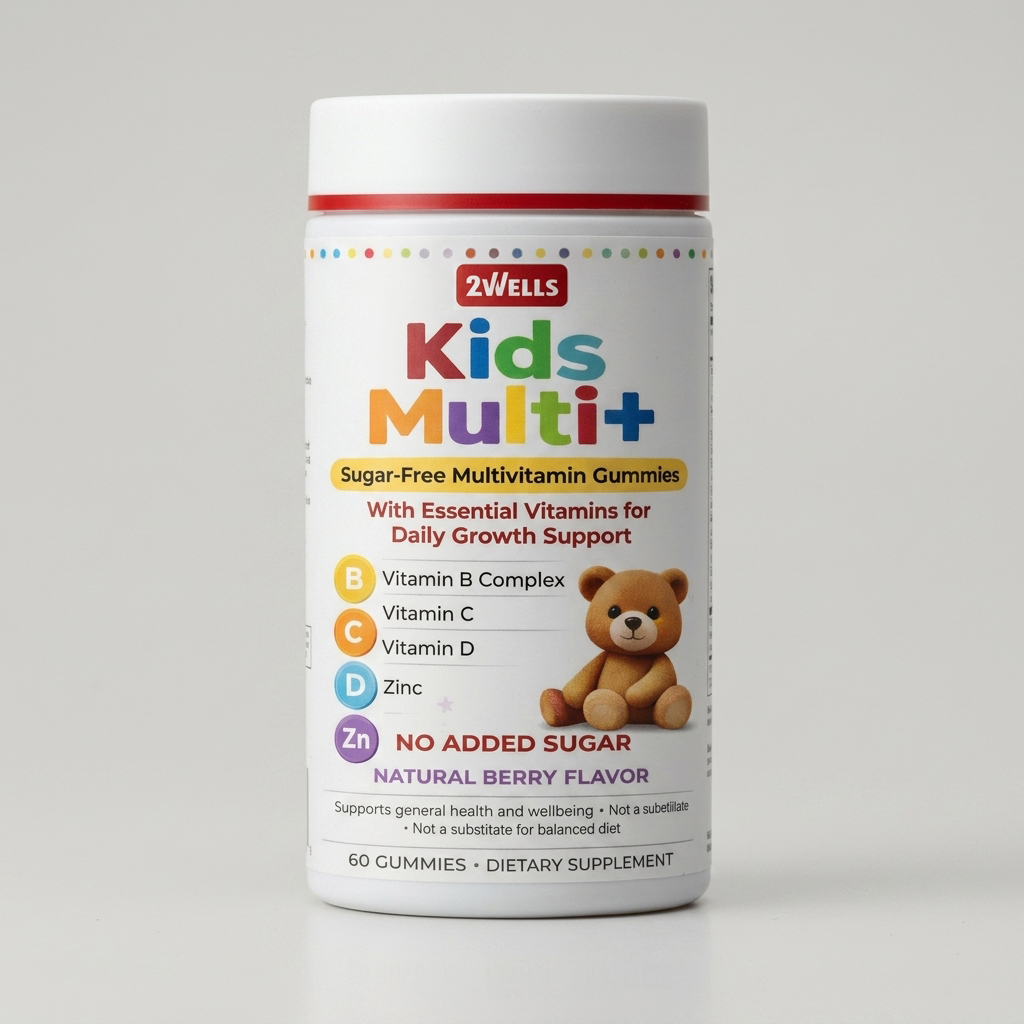
A balanced growth formula can help fill nutritional gaps — but it should complement, not replace, healthy habits.
Common Myths About Height Growth
❌ Myth: Certain foods alone make kids taller.
Truth: Growth depends on a combination of factors, not one “magic” food.
❌ Myth: Supplements guarantee height increase.
Truth: Supplements support normal growth processes, but cannot override genetics.
❌ Myth: Growth stops suddenly.
Truth: Growth gradually slows and stops when growth plates close, typically in late adolescence.
Creating a Growth-Friendly Environment
To support healthy development:
- Provide balanced meals
- Encourage outdoor activity
- Prioritize consistent sleep
- Reduce excessive processed foods
- Ensure adequate micronutrient intake
Consistency matters more than short-term efforts.
Final Thoughts
Height is not just about genetics. Children need the right environment to reach their full potential. Proper nutrition, quality sleep, physical activity, and digestive health all work together to support healthy growth.
Parents who focus on balanced daily habits create the strongest foundation for long-term development.
Supporting growth isn’t about chasing inches — it’s about building strength from the inside out.