When parents think about growth, they usually focus on bones, height, and vitamins. But one crucial factor is often overlooked: gut health.
A healthy digestive system doesn’t just prevent stomach discomfort — it plays a central role in nutrient absorption, immune strength, and overall development. In fact, without proper gut function, even the best nutrition may not be fully utilized.
Let’s explore why probiotics and digestive balance matter so much during childhood.
Why Gut Health Matters for Growing Kids
The digestive system is responsible for:
- Breaking down food
- Absorbing vitamins and minerals
- Supporting immune function
- Protecting against harmful bacteria
- Maintaining energy levels
If digestion is inefficient, nutrients like calcium, magnesium, zinc, and vitamin D may not be properly absorbed — directly impacting growth and development.
Children, especially picky eaters, may experience:
- Irregular digestion
- Frequent stomach discomfort
- Reduced appetite
- Increased susceptibility to infections
A balanced gut microbiome helps address these concerns naturally.
What Is the Gut Microbiome?
The gut microbiome is a community of trillions of beneficial bacteria living in the digestive tract.
In children, these bacteria help:
- Support immune system development
- Aid nutrient absorption
- Regulate digestion
- Maintain intestinal balance
During early childhood, the microbiome is still developing. Factors such as antibiotics, diet, stress, and environmental exposure can affect its balance.
How Probiotics Help
Probiotics are beneficial bacteria that help maintain digestive balance.
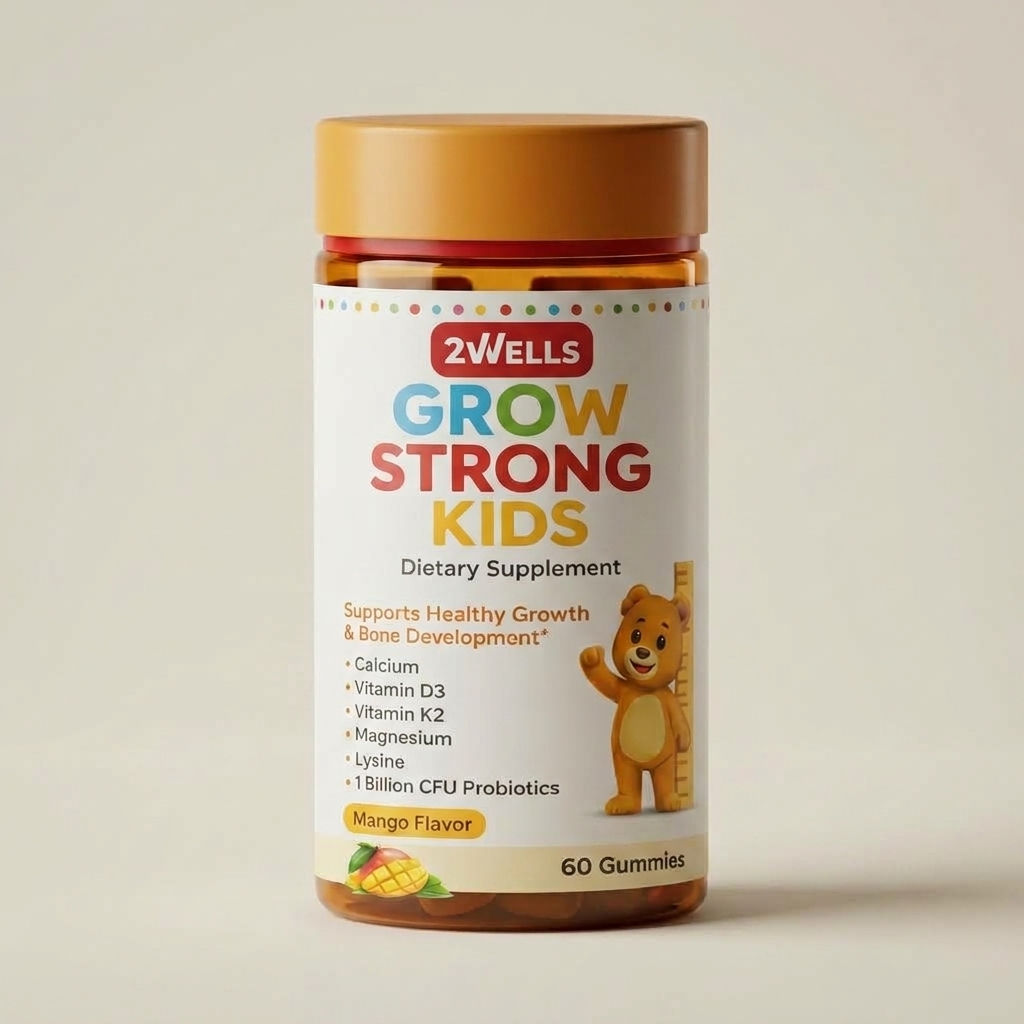
Two well-studied strains for children include:
Lactobacillus rhamnosus
Supports digestive health and immune function.
Bifidobacterium lactis
Helps maintain intestinal balance and supports nutrient absorption.
These strains work together to promote a healthy gut environment — especially important during growth years.
Gut Health & Nutrient Absorption
Calcium, magnesium, zinc, and amino acids must pass through the intestinal wall to enter the bloodstream.
If gut health is compromised, absorption efficiency may decline.
A healthy microbiome supports:
- Mineral transport
- Vitamin utilization
- Reduced digestive discomfort
- Balanced bowel movements
Simply put: better digestion = better nutrient delivery.
Gut Health & Immunity
Did you know that approximately 70% of the immune system is located in the gut?
A balanced microbiome helps regulate immune responses and protect against harmful pathogens.
Children in school environments are exposed to many germs. Supporting gut health may help maintain immune resilience during these high-exposure periods.
Signs Your Child May Need Digestive Support
Parents may notice:
- Occasional bloating
- Irregular bowel patterns
- Reduced appetite
- Frequent minor illnesses
- Selective eating habits
While these do not automatically indicate serious issues, digestive balance can play a role.
Supporting Gut Health Naturally
Here are simple ways to promote healthy digestion:
- Encourage fiber-rich foods (fruits, vegetables, whole grains)
- Include fermented foods when possible
- Ensure adequate hydration
- Maintain consistent meal schedules
- Limit excessive processed foods
- Consider probiotic supplementation when appropriate
Consistency matters more than short-term changes.
Why Gut Support Matters for Growth
Bone growth requires minerals. Muscle development requires protein. Height potential requires coordinated nutrient utilization.
If nutrients are not absorbed efficiently, the body cannot fully use them.
Digestive health acts as the gateway to growth.
Final Thoughts
Supporting your child’s growth goes beyond just calcium and vitamins. A healthy digestive system ensures that nutrients are properly absorbed and utilized.
Probiotics, balanced nutrition, sleep, and physical activity work together to create a strong foundation for development.
Healthy gut, healthy growth.