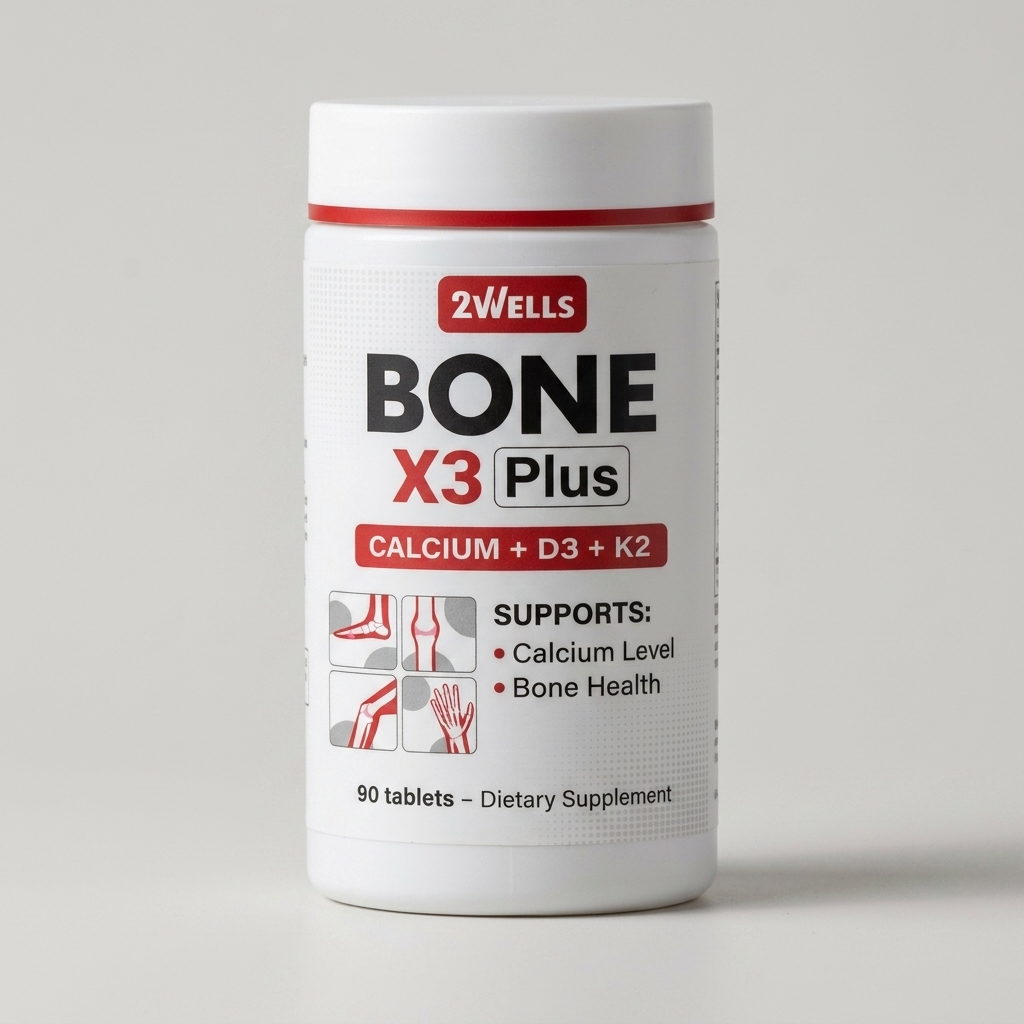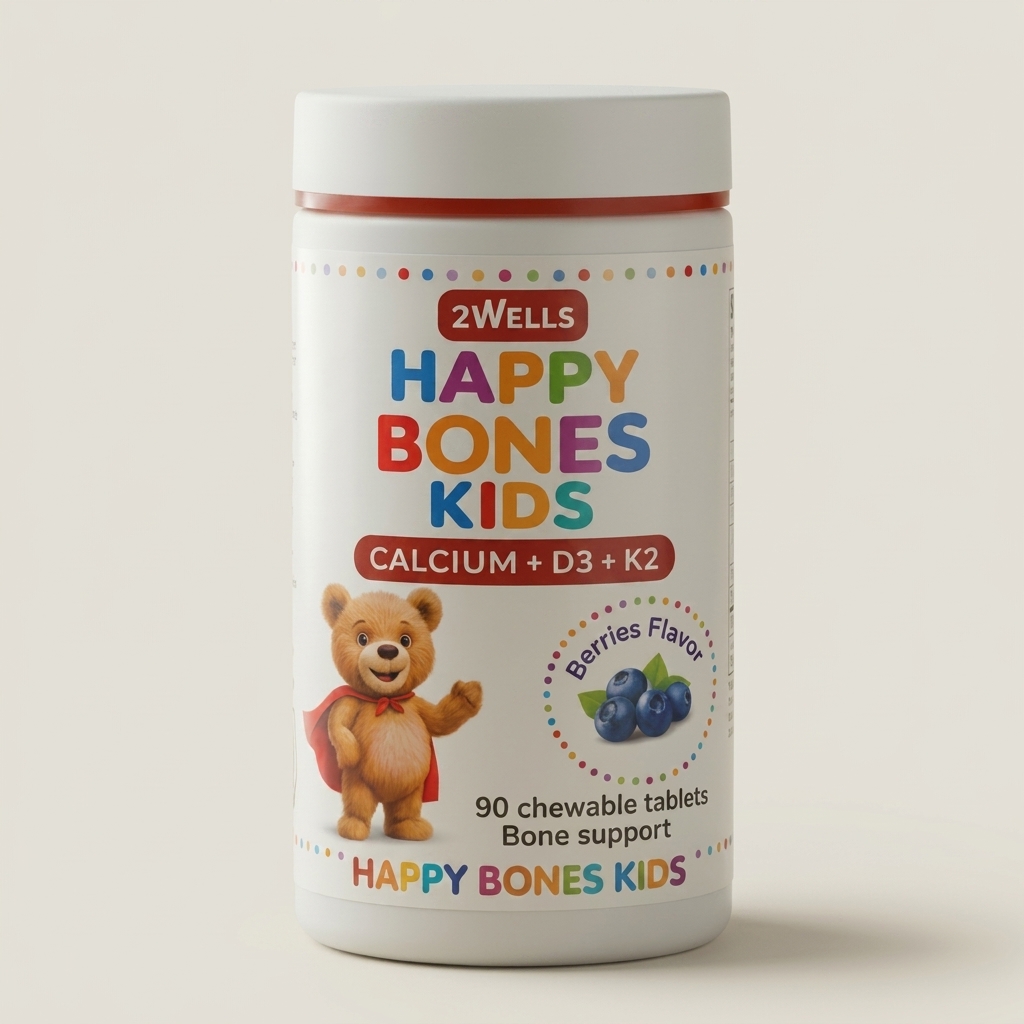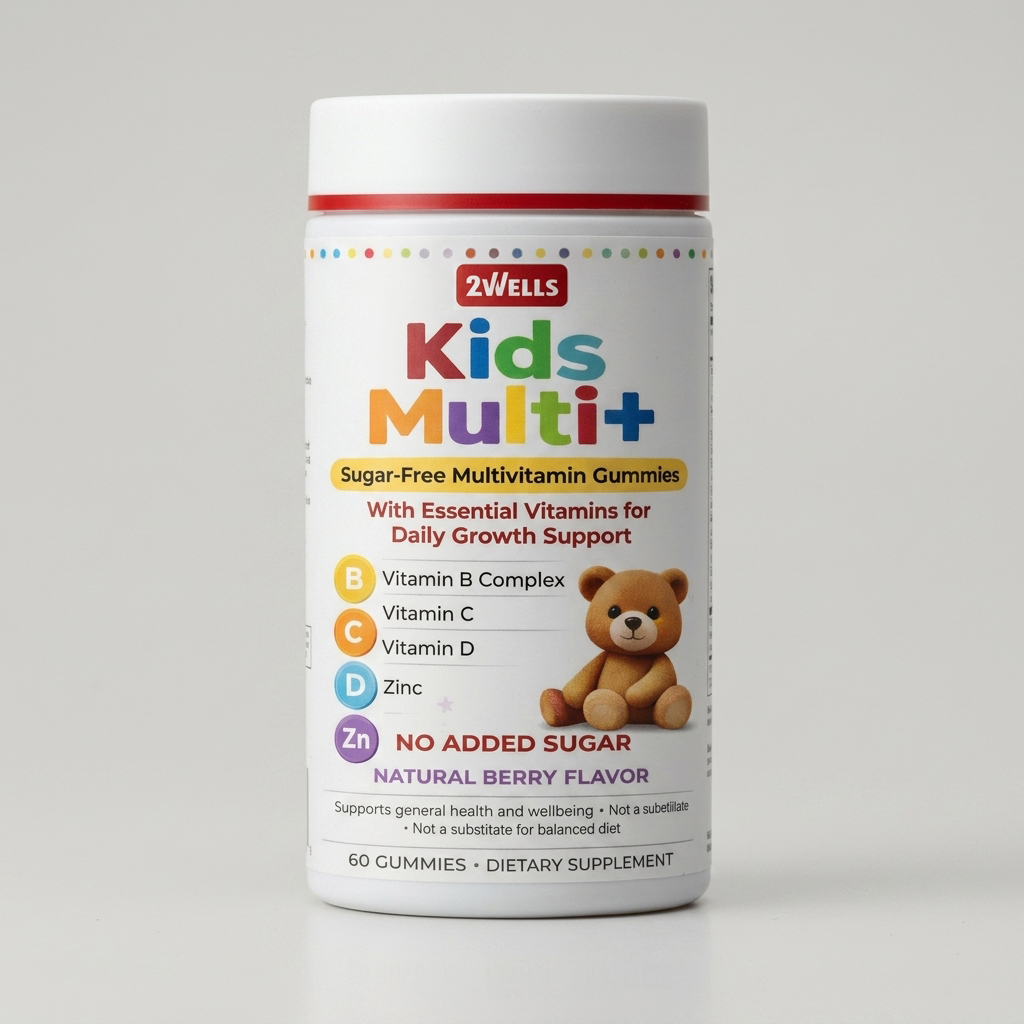
When it comes to children’s growth, most parents immediately think of calcium. While calcium is essential, it’s only one piece of a much bigger puzzle. Proper bone development and height potential depend on a combination of nutrients working together — especially Calcium, Vitamin D3, and Vitamin K2.
Understanding how these nutrients interact can help parents make smarter decisions about supporting their child’s development during key growth years.
Why Bone Growth Is So Important in Childhood
Children experience rapid skeletal growth from early childhood through adolescence. During this time:
- Bones lengthen
- Bone density increases
- Mineral stores are built for lifelong strength
In fact, most peak bone mass is developed before age 20. That means childhood is a critical window for building strong bones that support overall health in adulthood.
Without proper nutritional support, bone development may not reach its full potential.
Calcium: The Foundation of Strong Bones
Calcium is the primary mineral found in bones and teeth. It provides structural strength and rigidity. However, simply consuming calcium is not enough.
Many children do not consistently get adequate calcium intake due to:
- Limited dairy consumption
- Picky eating habits
- Dietary restrictions
- High processed food intake
Even when calcium intake is adequate, the body must properly absorb and utilize it. That’s where Vitamin D3 and Vitamin K2 become essential.
Vitamin D3: The Absorption Key
Vitamin D3 helps the body absorb calcium from food and supplements. Without sufficient Vitamin D, calcium cannot be efficiently transported into the bloodstream.
Low Vitamin D levels are increasingly common in children due to:
- Limited outdoor time
- Excess screen exposure
- Sunscreen blocking UVB rays
- Seasonal changes
By supporting healthy Vitamin D levels, parents help ensure that calcium is actually absorbed rather than wasted.
Vitamin K2: The Calcium Director
Vitamin K2 (especially MK-7 form) plays a crucial but often overlooked role in bone health.
Its primary function is to help guide calcium to bones and teeth — where it belongs — instead of soft tissues.
Think of it this way:
- Calcium builds
- Vitamin D3 absorbs
- Vitamin K2 directs
Together, they form a complete bone-support system.
Magnesium & Zinc: The Supporting Minerals
Magnesium supports normal bone structure and helps activate Vitamin D.
Zinc plays a role in normal growth and development. It also supports immune health — important during childhood years.
Both minerals contribute to healthy bone metabolism and structural integrity.
Amino Acids & Growth
L-Lysine and L-Arginine are amino acids involved in normal growth processes. They support protein synthesis, which is necessary for developing tissues — including bone and muscle.
When combined with proper nutrition, sleep, and physical activity, these nutrients help support healthy development.
The Role of Gut Health in Growth
Absorption doesn’t only depend on vitamins. A healthy digestive system plays a major role in nutrient utilization.
Probiotics such as Lactobacillus rhamnosus and Bifidobacterium lactis help support:
- Digestive balance
- Nutrient absorption
- Immune support
Healthy digestion = better nutrient uptake = better growth support.
Why Formulation Quality Matters
Not all combination supplements are equivalent. What separates them is usually the form of each nutrient rather than the headline dose:
- The form of calcium used — calcium citrate, for example, is absorbed differently from calcium carbonate
- The stability of the vitamin D3 used
- The source and purity of vitamin K2, and whether it is the longer-acting MK-7 form
- The manufacturing standards the product is made to
A well-designed children's calcium, D3 and K2 supplement should state the form of each ingredient on the label, not only the amount.
Building Healthy Growth Habits
Nutritional support works best when combined with:
- Balanced diet
- Regular physical activity
- Adeate sleep
- Limited ultra-processed foods
- Outdoor time
Growth is not about a single nutrient — it’s about a complete lifestyle.
Final Thoughts
Calcium alone is not enough. For optimal bone development and height potential during childhood, a combination of Calcium, Vitamin D3, Vitamin K2, Magnesium, Zinc, amino acids, and digestive support is key.
Parents who understand this synergy are better equipped to support their child’s healthy growth journey.
Supporting strong bones today helps build a strong foundation for tomorrow.