Children's health is built out of ordinary days rather than occasional efforts. What a child eats most of the time, how much they move most days, and how well they sleep most nights add up to far more than any single intervention. This article covers the habits that carry the most weight, the nutrients behind them, and a realistic way to build routines that survive contact with actual family life.
Why Consistency Beats Intensity
Most nutrients do not work in bursts. Calcium contributes to bone that is being remodeled continuously; B vitamins are used in energy release from each meal; vitamin D status reflects accumulated exposure over weeks. A single excellent day changes very little, while a reasonable pattern sustained over months changes a great deal.
This is good news for parents, because it means the target is “usually” rather than “perfectly.”
Food: Cover the Gaps That Are Easy to Miss
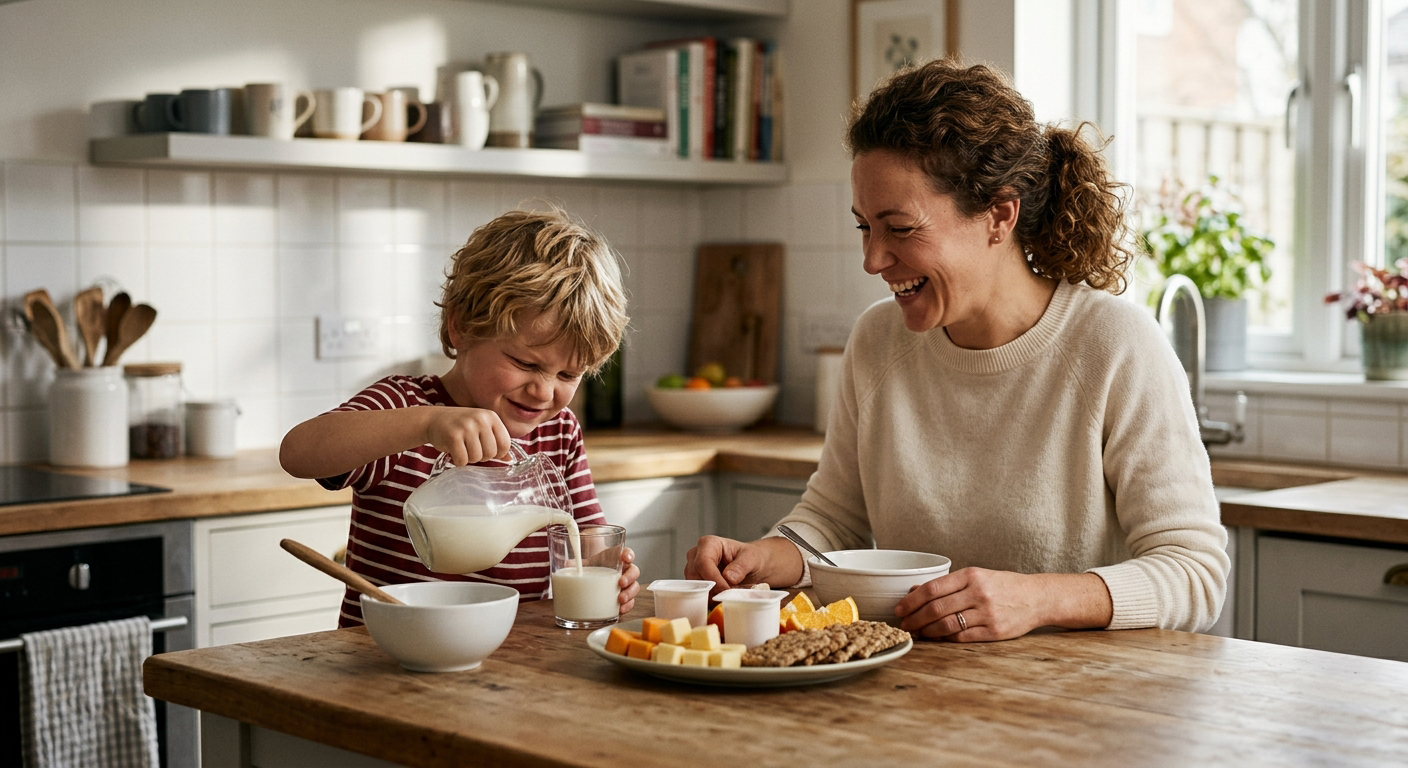
Some nutrients are easy to get and some are not. The ones worth deliberate attention are those without an obvious everyday source.
| Nutrient | What it does | Where it comes from |
|---|---|---|
| Calcium | Builds bones, keeps teeth healthy, regulates muscle contractions including the heartbeat | Dairy, fortified soya drinks, leafy greens (not spinach), fortified flour, fish with bones |
| Vitamin D | Regulates calcium and phosphate for bones, teeth and muscles | Mostly sunlight; few foods |
| Zinc | Making new cells and enzymes, processing carbohydrate, fat and protein, wound healing | Meat, shellfish, dairy, bread |
| B vitamins | Releasing energy from food; nervous system health | Widely distributed across foods |
Vitamin D is the one that stands out, because it is largely not a food question. The NHS notes that most people make what they need from sunlight between late March and September, and that getting enough “from food alone” is difficult.
Movement: Outdoor Play Does Double Duty
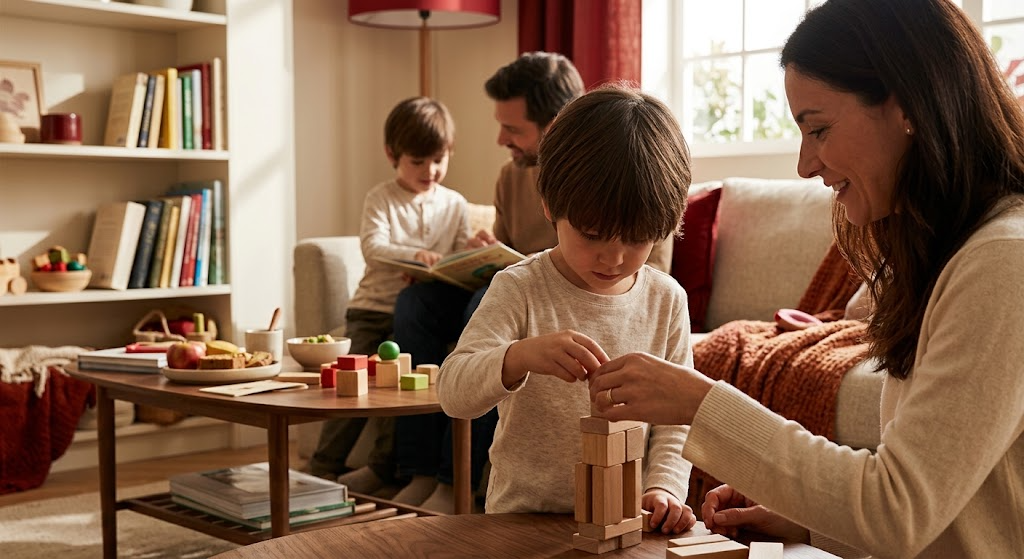
Active outdoor play covers two things at once. Weight-bearing movement — running, jumping, climbing — loads the skeleton, which is the signal bone responds to. And through the summer months, time outdoors is also how a child's vitamin D is made.
There is no need to formalize this. Children left with time, space and something to climb generally handle it themselves.
Sleep and Screens
Sleep is where growth and recovery happen, and it is the habit most easily eroded by everything else. Evening screen use is the common culprit, both because it delays bedtime and because it keeps young eyes focused at close range late into the day.
A predictable wind-down and a screen-free last hour do more for a child's energy the following day than most things that come in a bottle.
Habits Worth Building
- Include a calcium source at most meals rather than relying on one big serving
- Protect daily outdoor time — it covers movement and summer vitamin D together
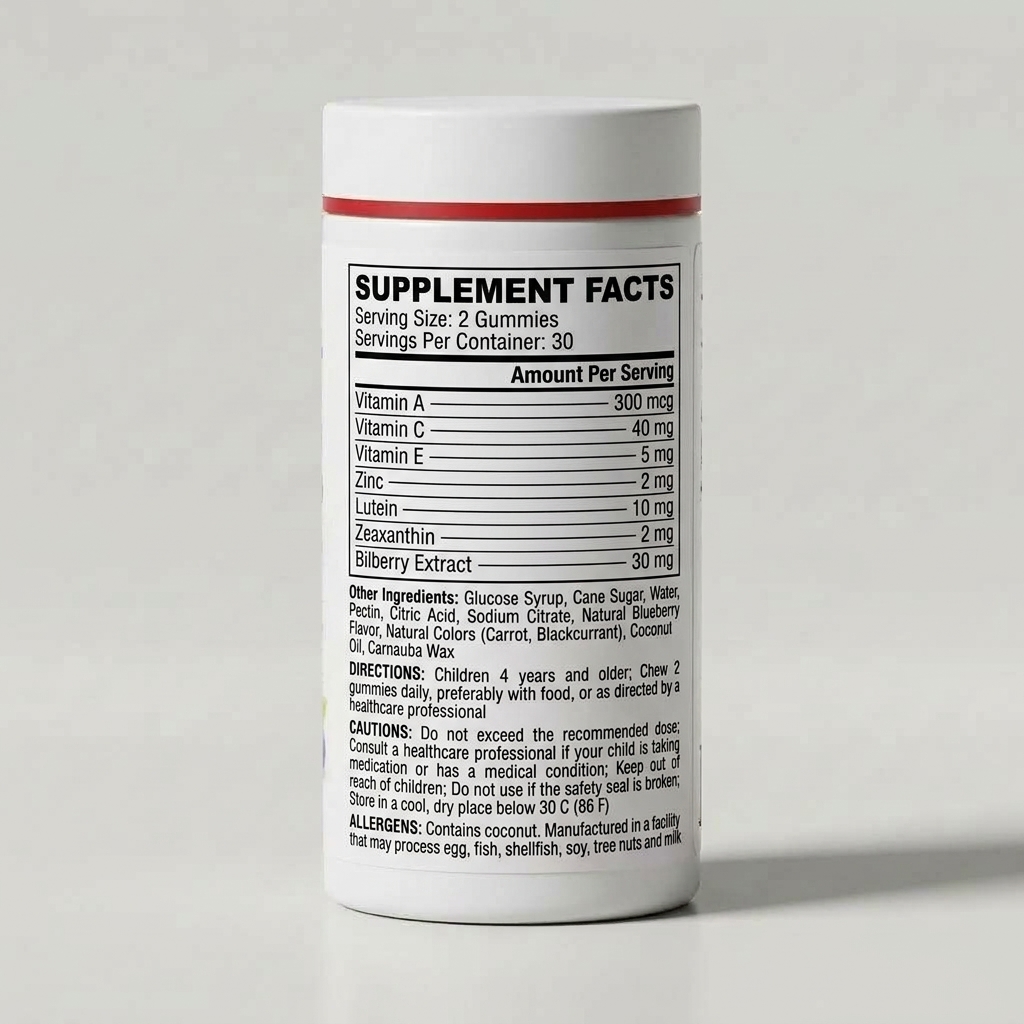
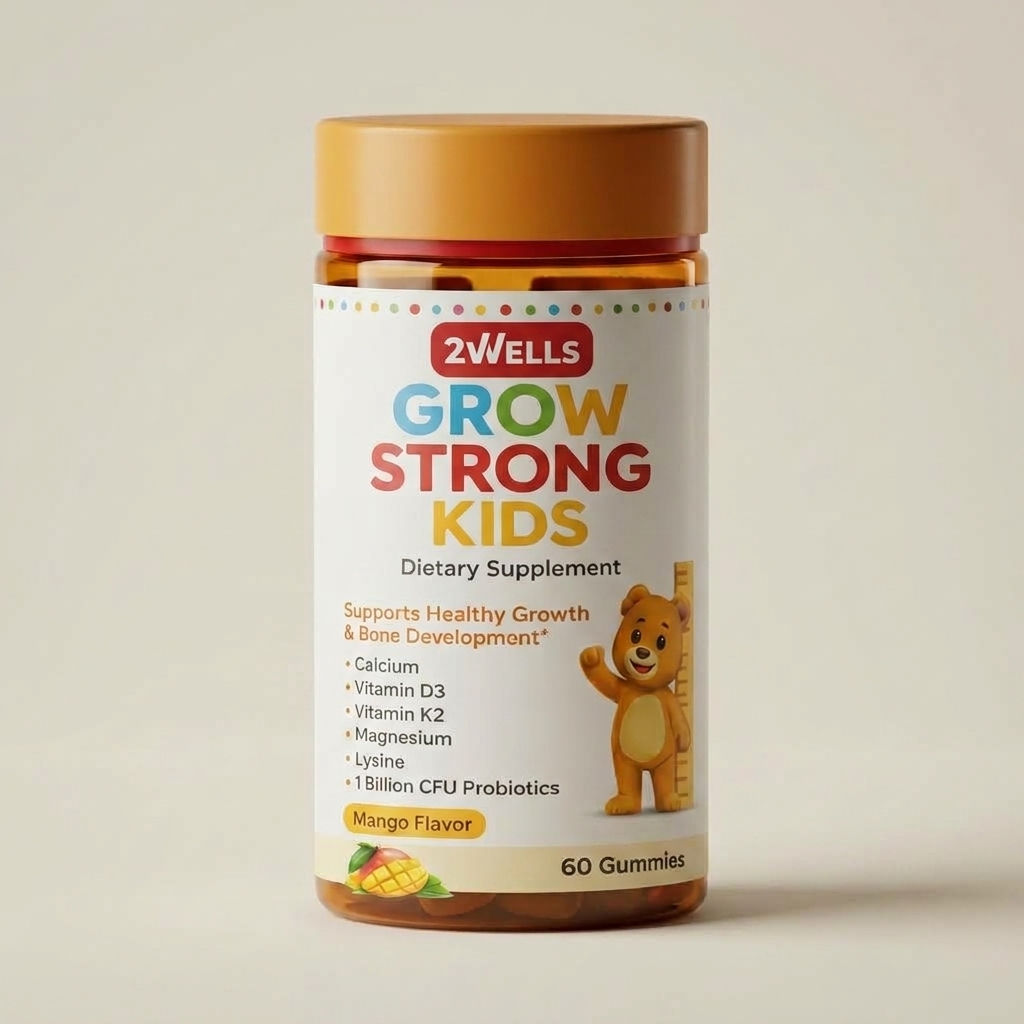
- Consider a vitamin D supplement from autumn through spring
- Keep a consistent bedtime, with screens off before it
- Offer variety rather than perfection; range matters more than any single food
Frequently Asked Questions
My child is a fussy eater. Is a supplement the answer?
It can help cover specific gaps, but it is not a substitute for a varied diet, and most fussy eating improves with time and low-pressure exposure. Speak to a doctor or dietitian if you are concerned about growth or a very restricted range.
How much outdoor time is enough?
There is no single number that fits every child, latitude and season. Regular daily time outdoors, particularly in the middle of the day during summer, is the practical goal.
Do children need supplements in summer?
For vitamin D, most children who are outdoors regularly will make what they need between late March and September. Babies, young children and those with darker skin or little outdoor time are at higher risk year-round.
Key Takeaways
- Sustained ordinary habits matter more than occasional intensive effort
- Calcium, vitamin D and zinc are the nutrients most worth deliberate attention
- Vitamin D comes mostly from sunlight and is hard to get from food alone
- Outdoor play loads bone and generates summer vitamin D at the same time
- Sleep and evening screen habits shape the following day more than most parents expect
Conclusion
Pick one habit rather than all of them. Outdoor play after school, or a consistent bedtime, or a calcium source at breakfast — whichever is easiest to keep. Habits compound, and a routine that survives a busy week is worth more than an ideal one that does not.
Scientific References
- Calcium — NHS, Vitamins and minerals
https://www.nhs.uk/conditions/vitamins-and-minerals/calcium/ - Vitamin D — NHS, Vitamins and minerals
https://www.nhs.uk/conditions/vitamins-and-minerals/vitamin-d/ - Others (zinc, magnesium, beta-carotene) — NHS, Vitamins and minerals
https://www.nhs.uk/conditions/vitamins-and-minerals/others/ - B vitamins and folic acid — NHS, Vitamins and minerals
https://www.nhs.uk/conditions/vitamins-and-minerals/vitamin-b/