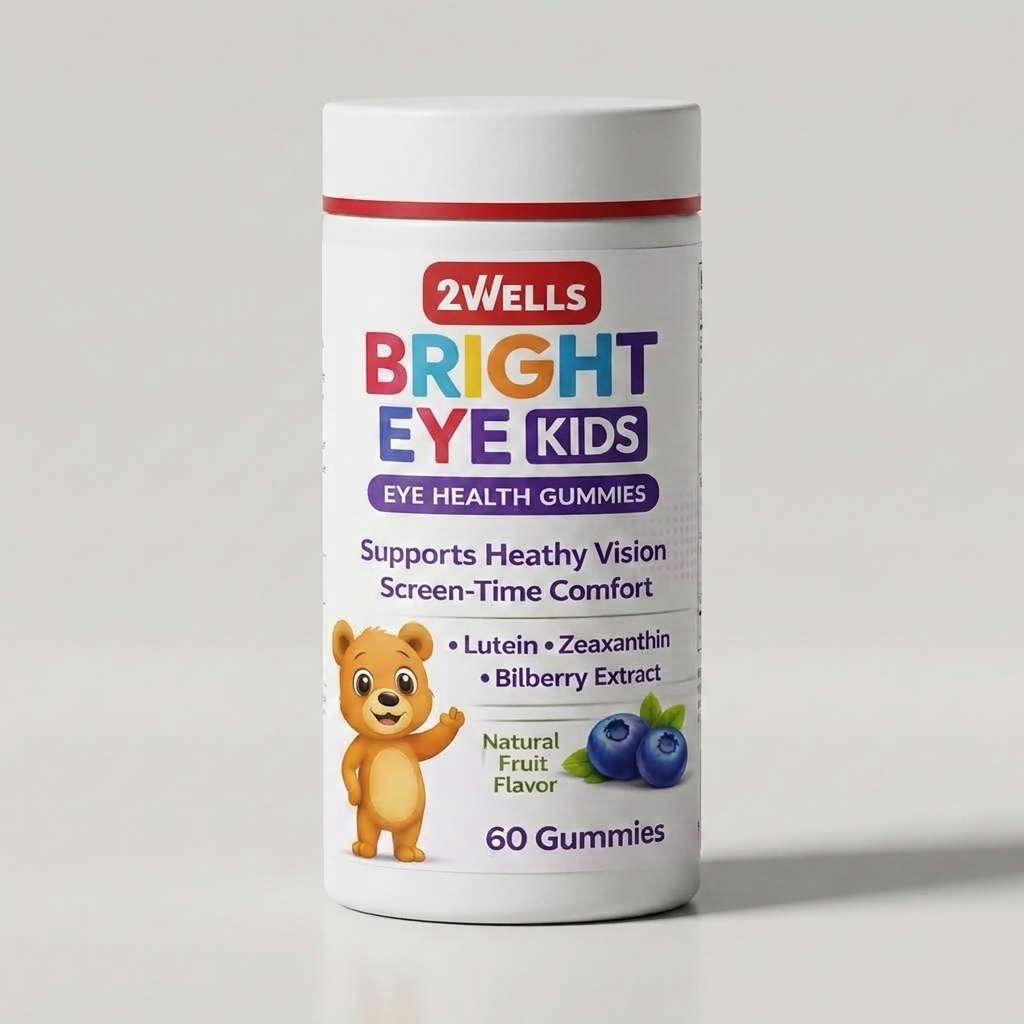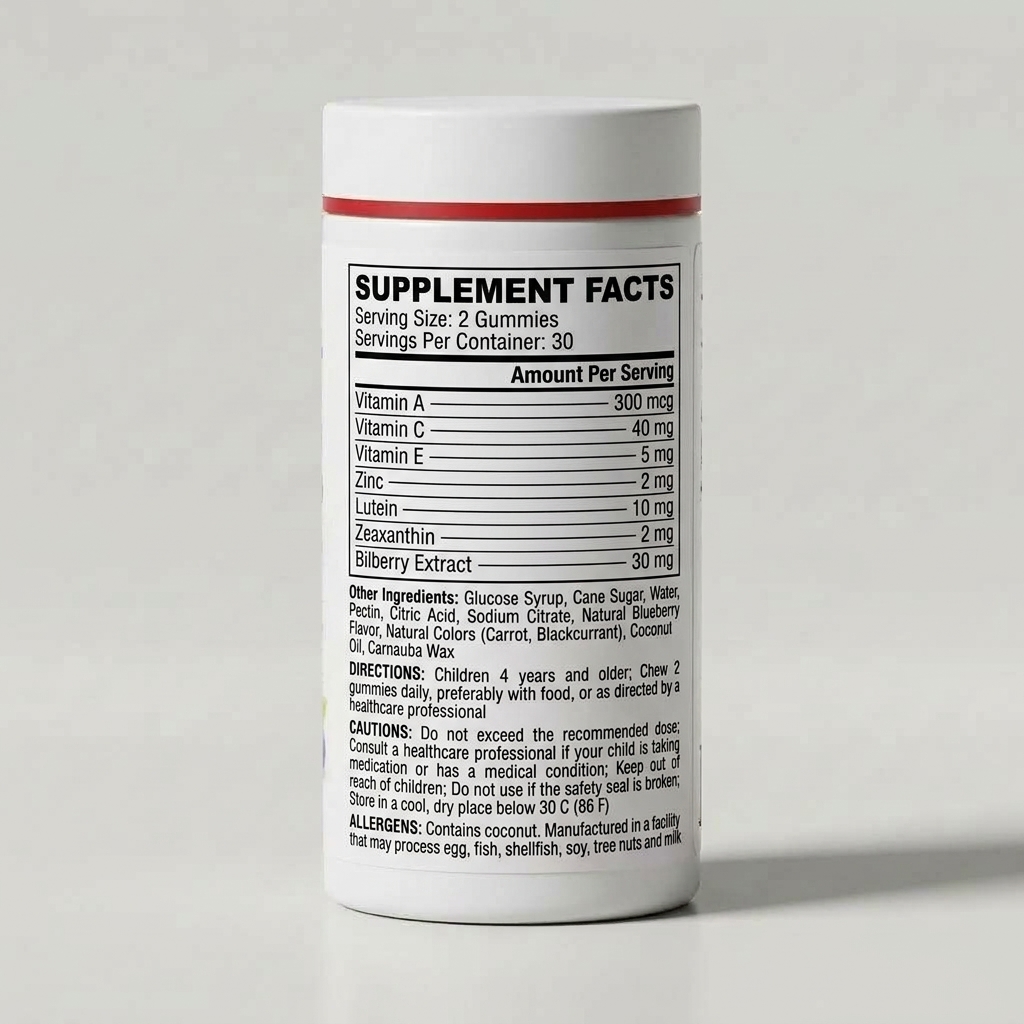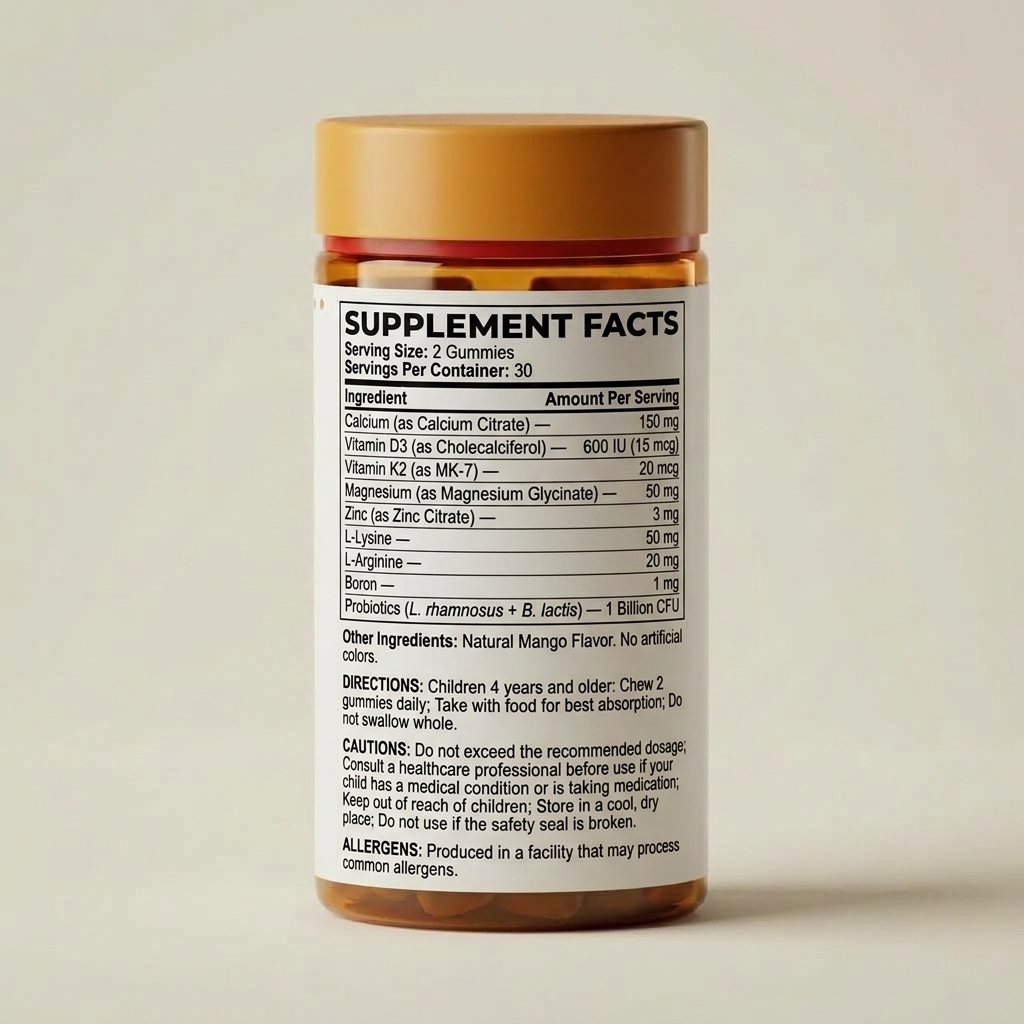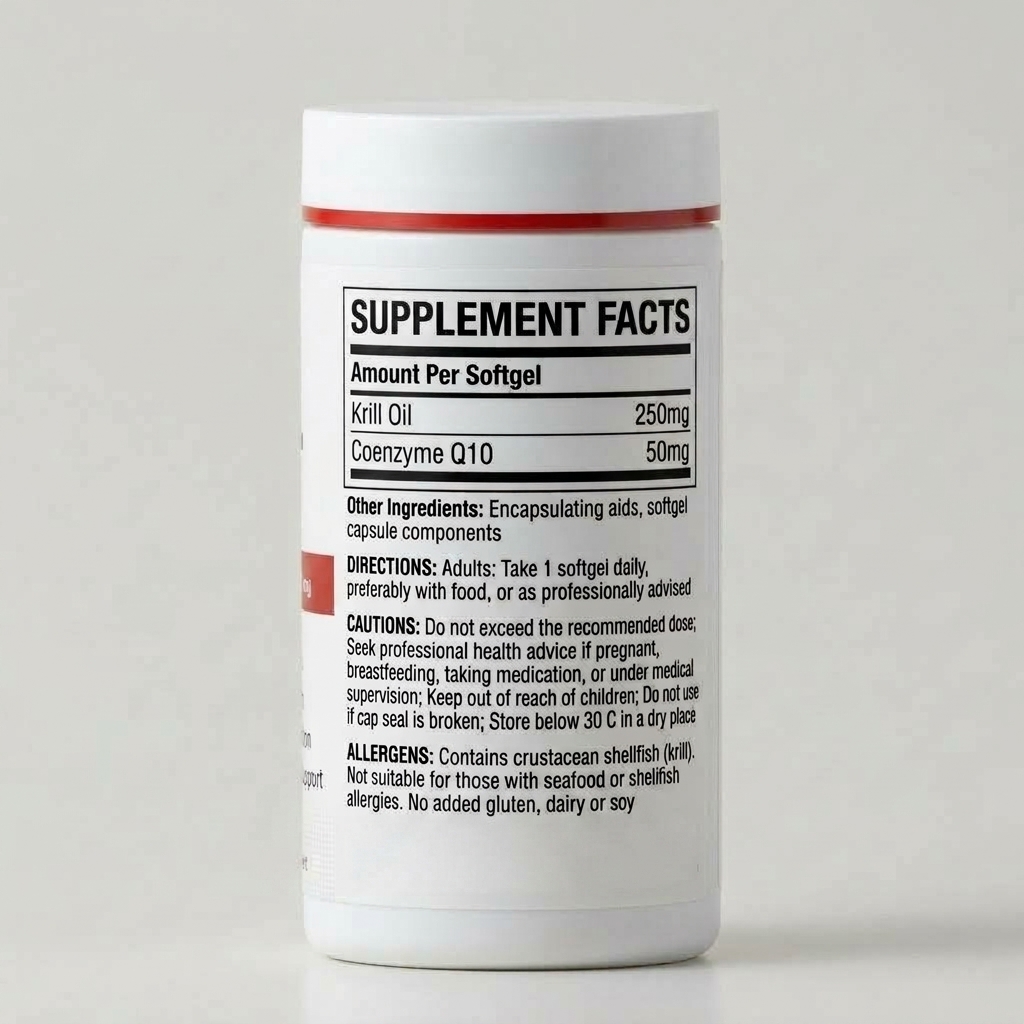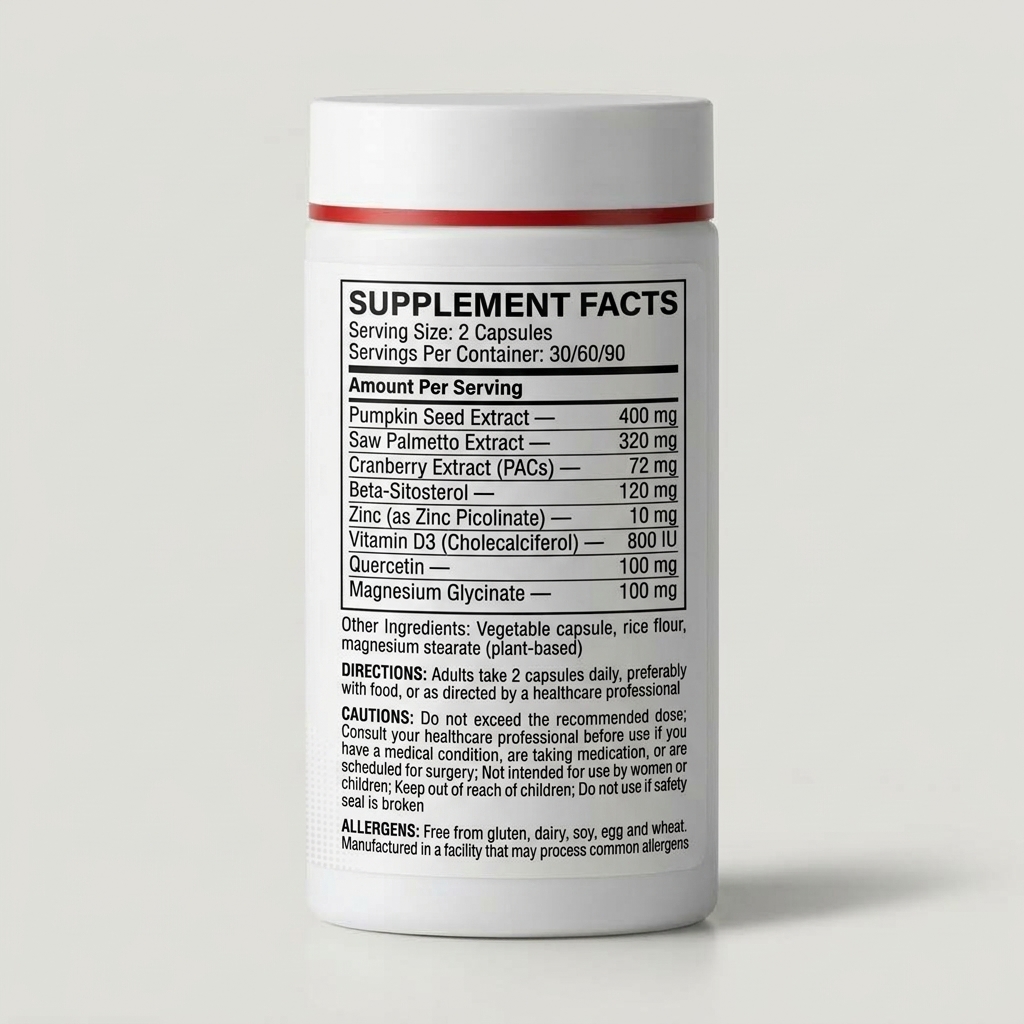
Lutein, zeaxanthin and bilberry turn up together in children's eye supplements, usually alongside screen-time messaging. The three have quite different evidence behind them, and the research base for children specifically is thinner than for adults. This article covers what each one is, what studies actually show, which foods supply them, and how to read the claims.
Lutein and Zeaxanthin
These are carotenoids — plant pigments that concentrate in eye tissue. The American Optometric Association reports that “many studies show that lutein and zeaxanthin reduce the risk of chronic eye diseases,” and that people who consumed the most “had a much lower risk for developing new cataracts.”
Two caveats matter for a children's article. That research concerns chronic eye disease in adults, largely cataracts and age-related macular degeneration — conditions of later life. Extending those findings to children's eye comfort during screen use is an extrapolation, not a finding.
Where they come from
The AOA lists “dark green leafy vegetables” plus “broccoli, corn, peas, persimmons and tangerines.” Corn and peas are worth noting, since they are among the few sources many children will actually eat.
Bilberry
Bilberry has a long traditional association with vision, often repeated as a story about Second World War pilots. The evidence base is considerably weaker than for lutein and zeaxanthin, and it does not feature in the AOA's nutrition guidance alongside them. Presented honestly, it is a traditional ingredient with limited clinical support rather than an established one.
The Supporting Nutrients
| Nutrient | Role in eye health (AOA) | Sources |
|---|---|---|
| Vitamin C | Lowers the risk of developing cataracts; can slow progression of age-related macular degeneration in combination | Citrus fruits, peppers |
| Vitamin E | Protects cells in the eyes from unstable molecules called free radicals | Vegetable oils, nuts, wheat germ |
| Zinc | Brings vitamin A from the liver to the retina to produce melanin, a protective pigment | Red meat, oysters, nuts |
The zinc entry is the most mechanistically specific of the three, and the AOA notes that deficiency is linked to “poor night vision and cloudy cataracts.”
What This Means for Children
Most of the evidence concerns preventing chronic eye disease over decades. That is a real and important finding, and it is also a long way from “helps your child's eyes after screen time.”
The practical implications that follow from the evidence are mostly dietary: children who eat leafy greens, corn, peas, citrus and nuts are getting these nutrients from food. For screen comfort specifically, habits — breaks, viewing distance, lighting, time outdoors — have a more direct relationship to symptoms than any nutrient does.
Frequently Asked Questions
Do these nutrients help with screen-related eye tiredness?
The evidence cited for them concerns chronic eye disease rather than short-term visual comfort. Regular breaks and time outdoors are the more direct answers to screen fatigue.
Can children get enough from food?
Generally yes. Dark green leafy vegetables, broccoli, corn, peas, tangerines, citrus and nuts between them cover lutein, zeaxanthin, vitamin C, vitamin E and zinc.
Is bilberry worth paying for?
Its evidence is weaker than for lutein and zeaxanthin. It is not unreasonable to include, but it should not be the reason you choose a product.
Are supplements necessary for healthy eyes?
For a child eating a varied diet, there is little to suggest so. Supplements are more relevant where diet is genuinely restricted — a question for a doctor or dietitian.
What about vitamin A?
It matters, and zinc's role is partly in transporting it to the retina. It is widely available from diet, including via beta-carotene, which the NHS notes is “turned into vitamin A in the body.”
Key Takeaways
- Lutein and zeaxanthin are linked to reduced risk of chronic eye disease, mainly in adults
- Food sources include dark leafy greens, broccoli, corn, peas, persimmons and tangerines
- Bilberry has a long traditional association with vision but weaker clinical support
- Vitamin C, vitamin E and zinc each have defined roles, zinc's being the most specific
- Most of this evidence concerns long-term eye disease, not short-term screen comfort
- For screen fatigue, habits matter more directly than nutrients
Conclusion
These nutrients matter for eyes, and the food sources are ordinary enough to be achievable. What the evidence does not support is the implication that a supplement addresses tired eyes after a day of screens. If your child has persistent eye discomfort, headaches or vision changes, an optometrist is the right call — those warrant examination rather than nutrition.
Scientific References
- Diet and Nutrition — American Optometric Association
https://www.aoa.org/healthy-eyes/caring-for-your-eyes/diet-and-nutrition - Others (zinc, magnesium, beta-carotene) — NHS, Vitamins and minerals
https://www.nhs.uk/conditions/vitamins-and-minerals/others/