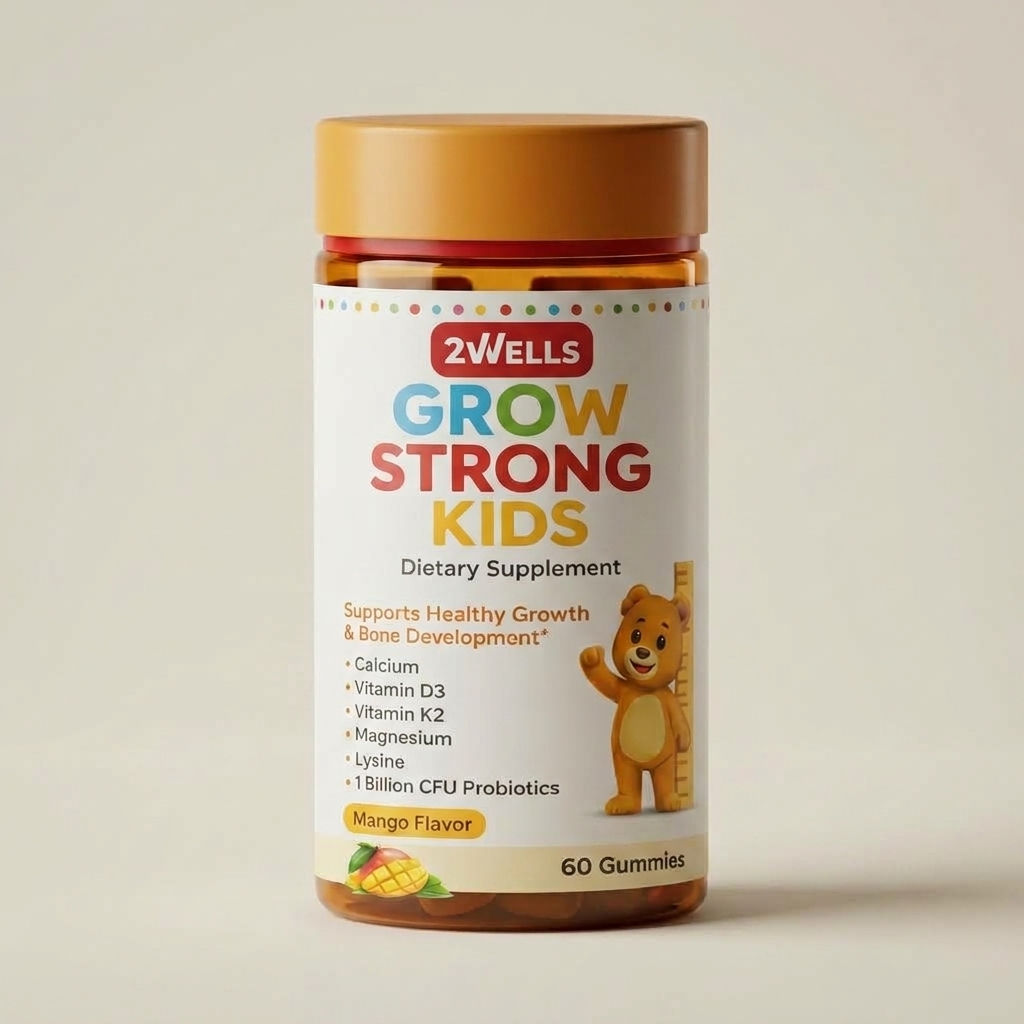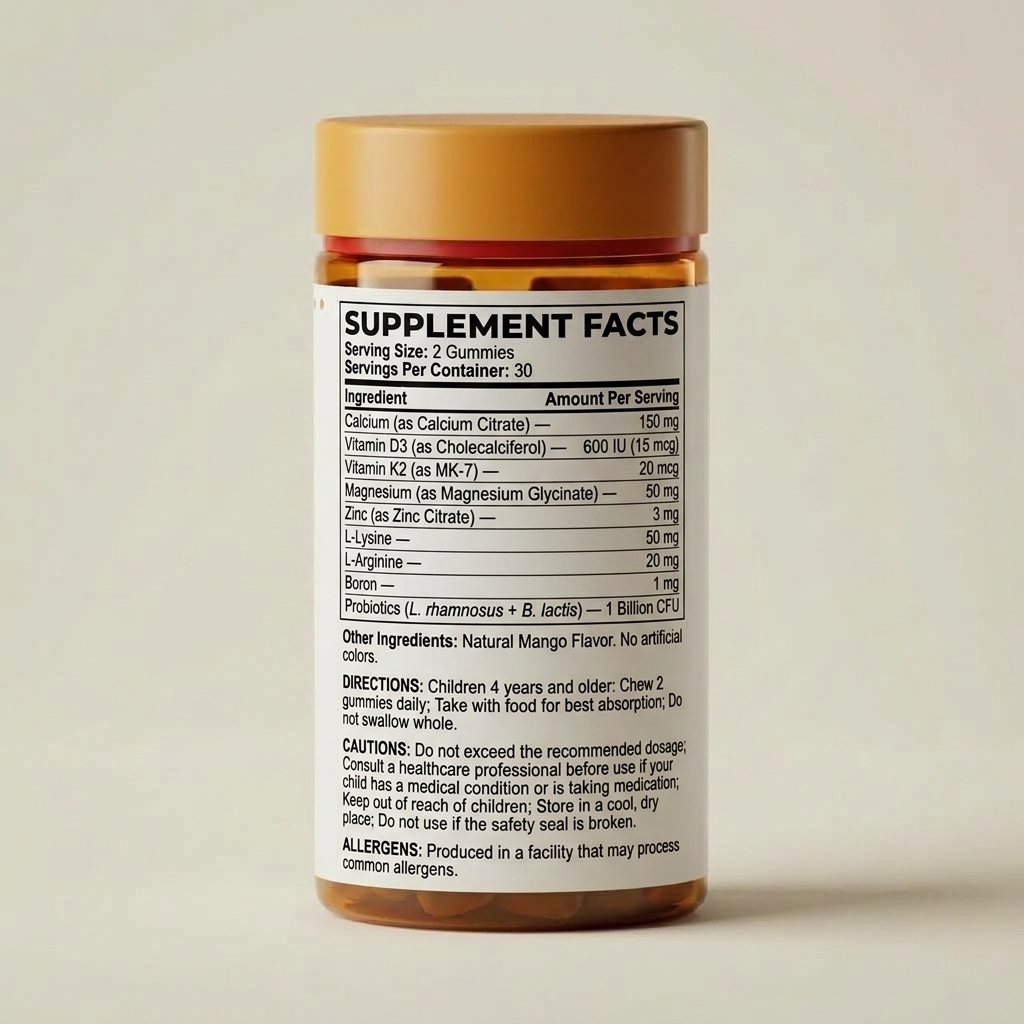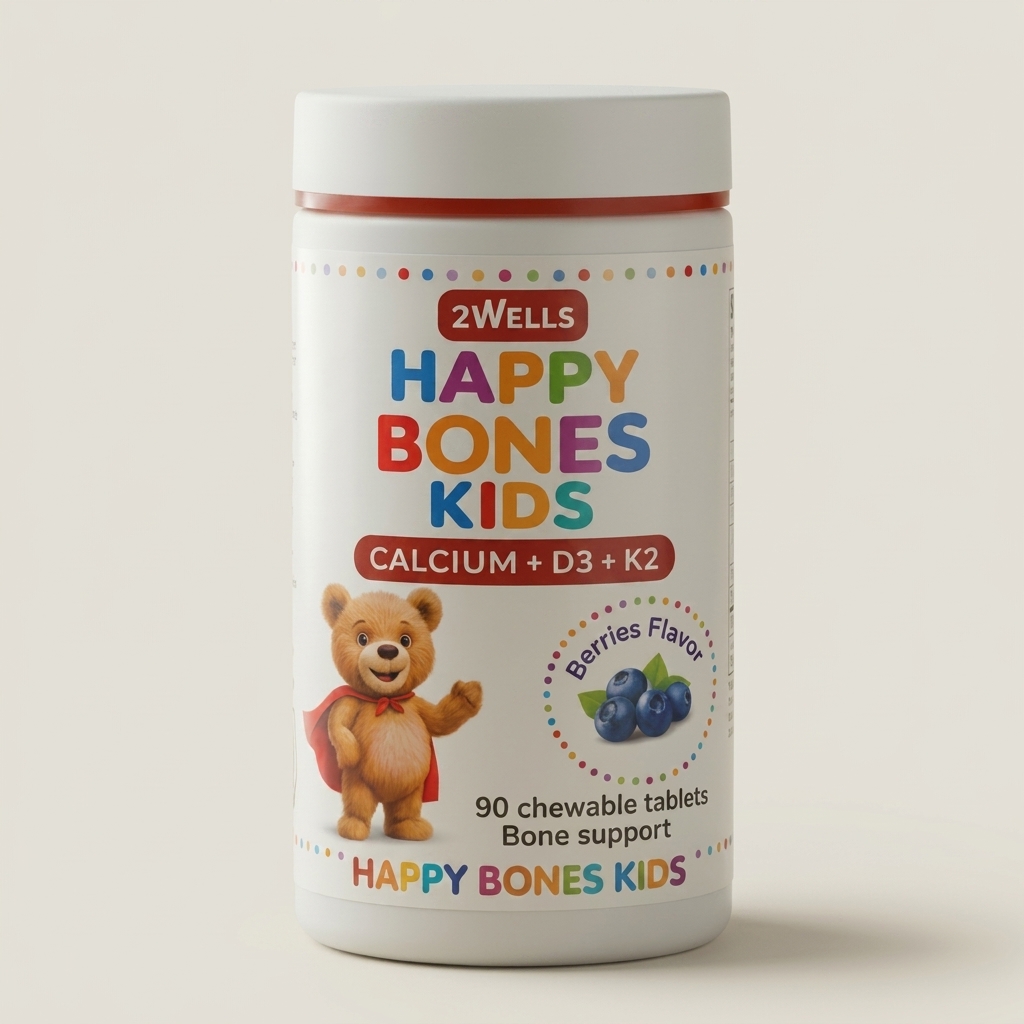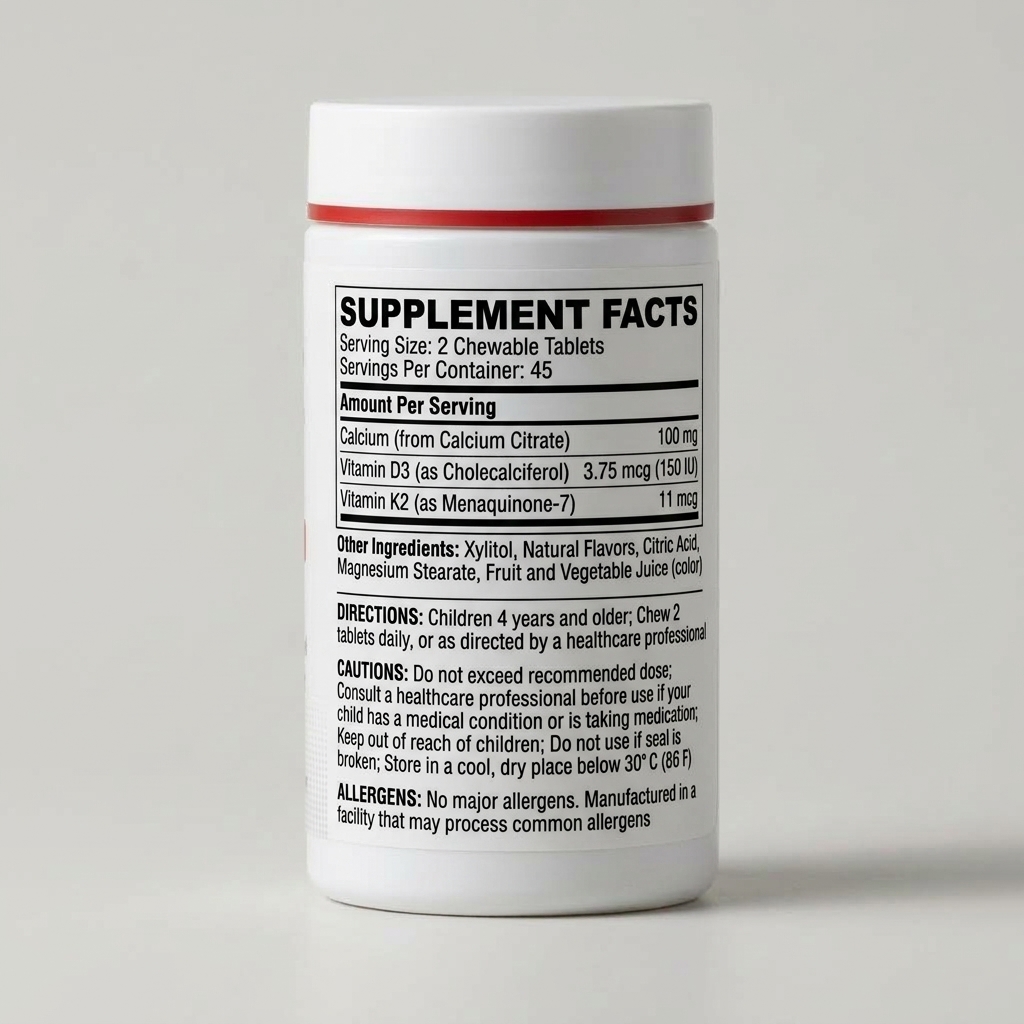
Bone is not a finished structure that simply grows larger. It is living tissue, constantly being broken down and rebuilt, and during childhood the rebuilding runs well ahead of the breakdown. That imbalance is what allows a skeleton to grow — and it makes childhood the period when the habits around bone matter most. This article covers the nutrients involved, how much of each is recommended, the role of movement, and the practical habits that support all of it.
Why Childhood Is the Window
Through childhood and adolescence, bone formation exceeds bone breakdown, producing net growth. The material laid down during those years forms the foundation the skeleton draws on later in life. The habits built now are not only about a child's current height and strength; they shape the starting point everything afterwards works from.
Calcium: The Raw Material
Calcium is the mineral bone is built from. The NHS describes it as helping “build bones and keep teeth healthy,” alongside two roles people rarely associate with it: “regulating muscle contractions, including your heartbeat,” and making sure “blood clots normally.”
For adults aged 19 to 64, the NHS figure is 700mg a day. Good sources include milk, cheese and other dairy foods; green leafy vegetables such as curly kale and okra — though notably not spinach; fortified soya drinks; bread and foods made with fortified flour; and fish eaten with the bones, such as sardines and pilchards.
That last one is worth knowing about, because it is the sort of source families overlook. A tin of sardines contributes meaningfully in a way a glass of milk does not.
Vitamin D: The Regulator
Calcium intake on its own is not the whole picture, because absorption depends on vitamin D. The NHS describes vitamin D as helping to “regulate the amount of calcium and phosphate in the body” — nutrients needed to keep “bones, teeth and muscles healthy.”
Children aged one and over need 10 micrograms a day. From late March to September, most people make what they need from sunlight on their skin. Outside that window they largely cannot, which is why the NHS suggests considering a daily supplement through autumn and winter.
Movement Builds Bone Too
Nutrition is only half of it. Bone responds to load: weight-bearing activity signals the skeleton to strengthen where force is applied. Running, jumping, climbing and skipping all qualify, and children generally do them without being asked. Swimming and cycling are excellent for fitness but place less load on the skeleton, so they complement rather than replace weight-bearing play.
This is one of the few areas where the simplest advice is also the most accurate: outdoor play covers both the movement and, in summer, the vitamin D.
Simple Daily Habits
- Offer a calcium source at most meals rather than relying on one large serving
- Include fish with edible bones where your family will eat it
- Protect time for active outdoor play, which covers loading and summer vitamin D together
- Consider a vitamin D supplement through autumn and winter
- Remember that fortified breads and soya drinks count toward the daily total
Frequently Asked Questions
Is milk the only good source of calcium?
No. Dairy is convenient and concentrated, but fortified soya drinks, leafy greens, fortified flour products and fish with bones all contribute. Families avoiding dairy have workable options.
Why is spinach excluded from the list?
The NHS specifically notes green leafy vegetables “but not spinach.” Spinach contains compounds that bind calcium and reduce how much the body can absorb, so its calcium content overstates what it actually delivers.
Does my child need a supplement if they drink a lot of milk?
For calcium, often not. For vitamin D, the question is separate — milk in the UK is not fortified with vitamin D, so a good calcium intake does not resolve the winter gap.
Can a child get too much calcium?
Very high intakes from supplements are not advisable. Meeting the recommended amount through food is the sensible target rather than exceeding it.
Key Takeaways
- Childhood is when bone formation outpaces breakdown, making it the key window
- Calcium builds bone and also supports muscle contraction and normal blood clotting
- Vitamin D regulates calcium absorption; children over one need 10 micrograms daily
- Sunlight covers vitamin D from late March to September, and largely does not outside it
- Weight-bearing play signals bone to strengthen; swimming and cycling do less of this
Conclusion
None of this requires a complicated routine. A varied diet that includes calcium sources most days, regular active outdoor play, and attention to vitamin D through the darker months covers the fundamentals. If you have specific concerns about your child's growth or diet, a doctor or registered dietitian can give advice suited to their situation.
Scientific References
- Calcium — NHS, Vitamins and minerals
https://www.nhs.uk/conditions/vitamins-and-minerals/calcium/ - Vitamin D — NHS, Vitamins and minerals
https://www.nhs.uk/conditions/vitamins-and-minerals/vitamin-d/