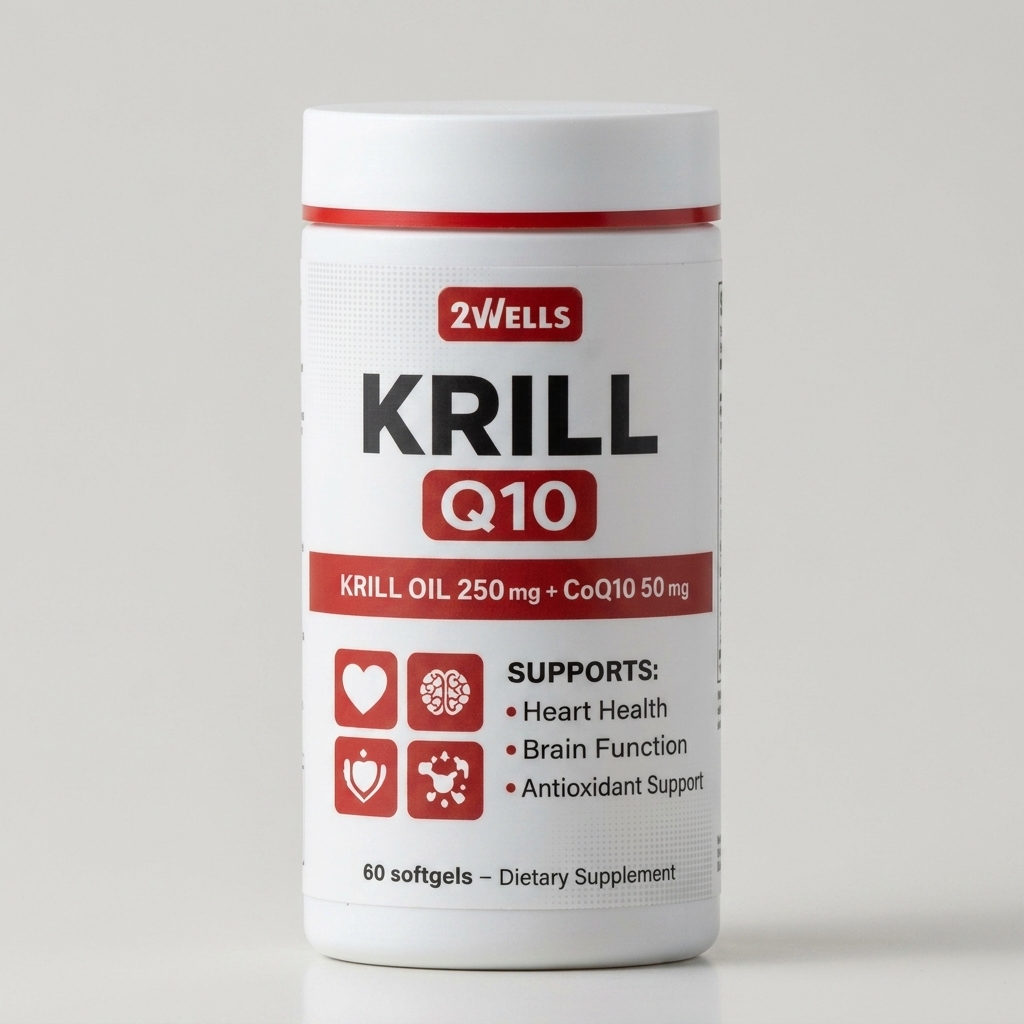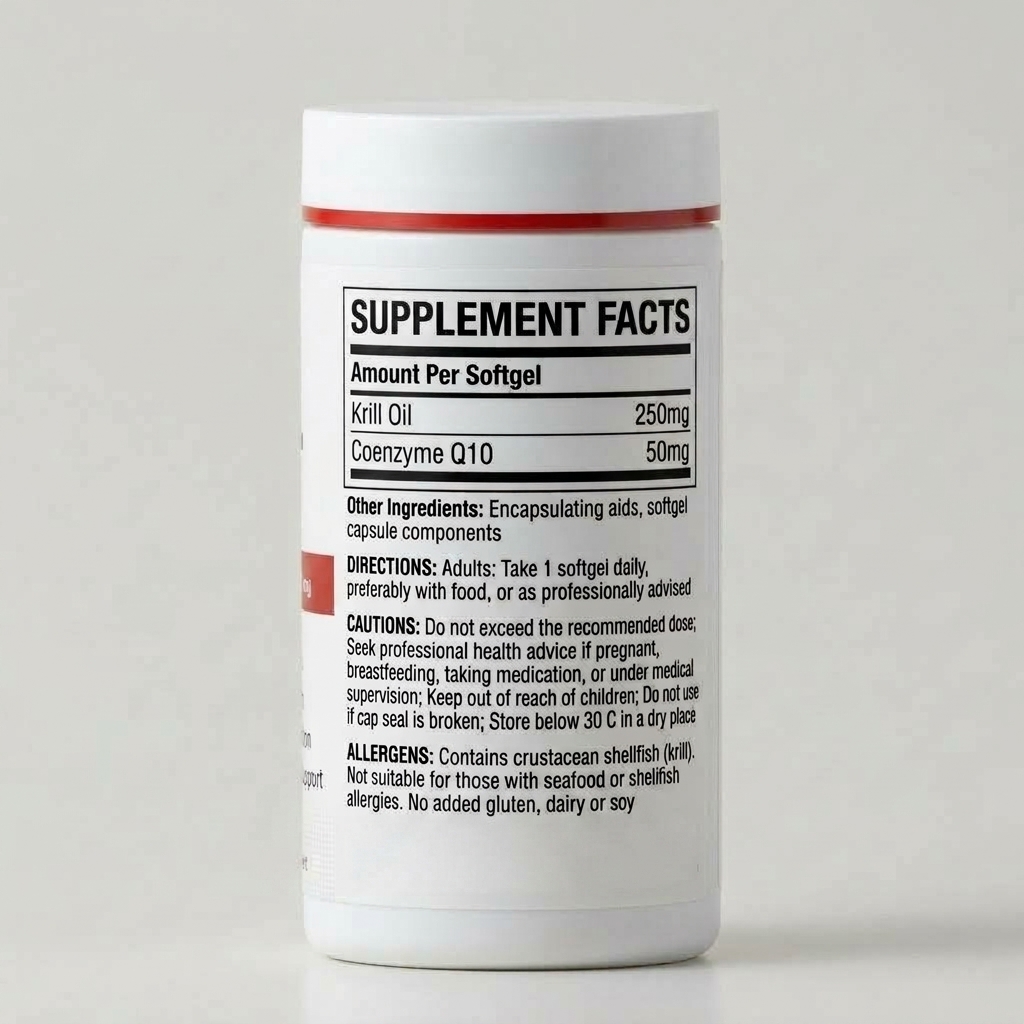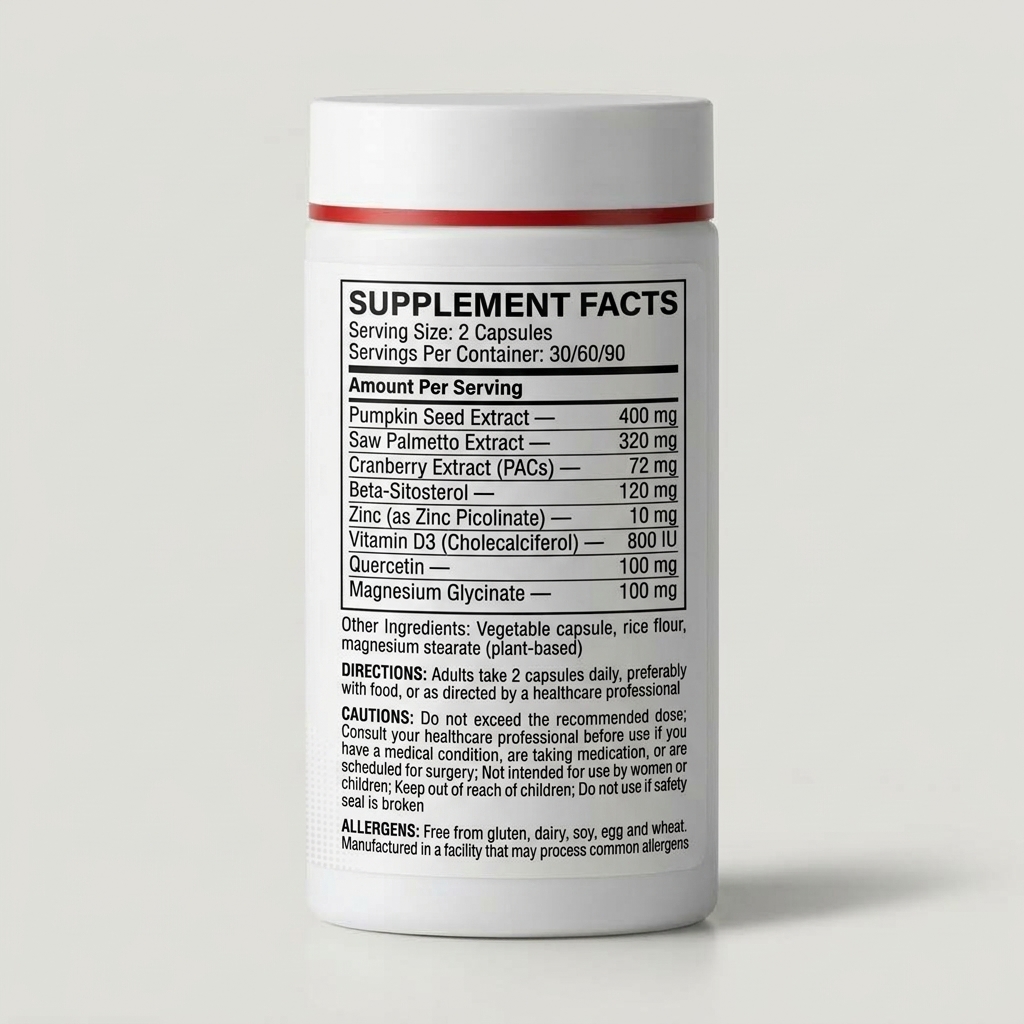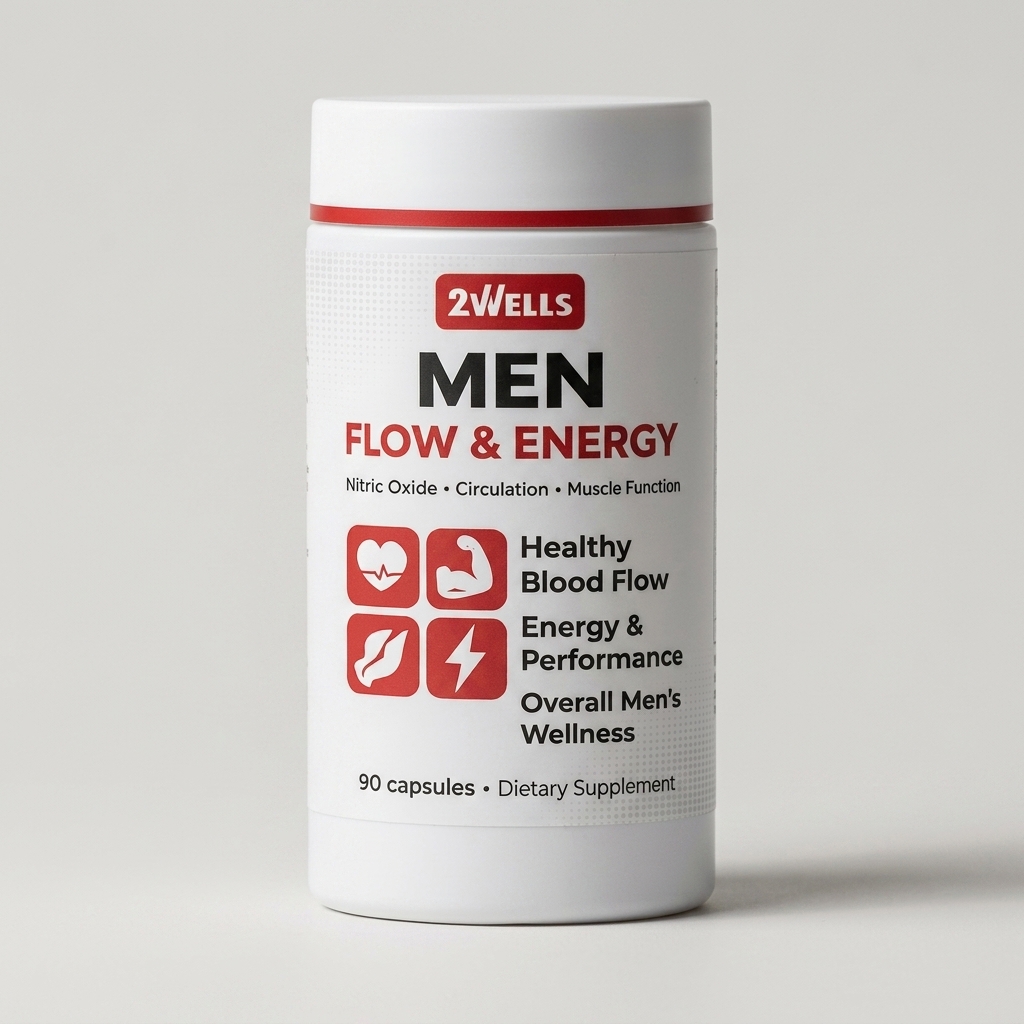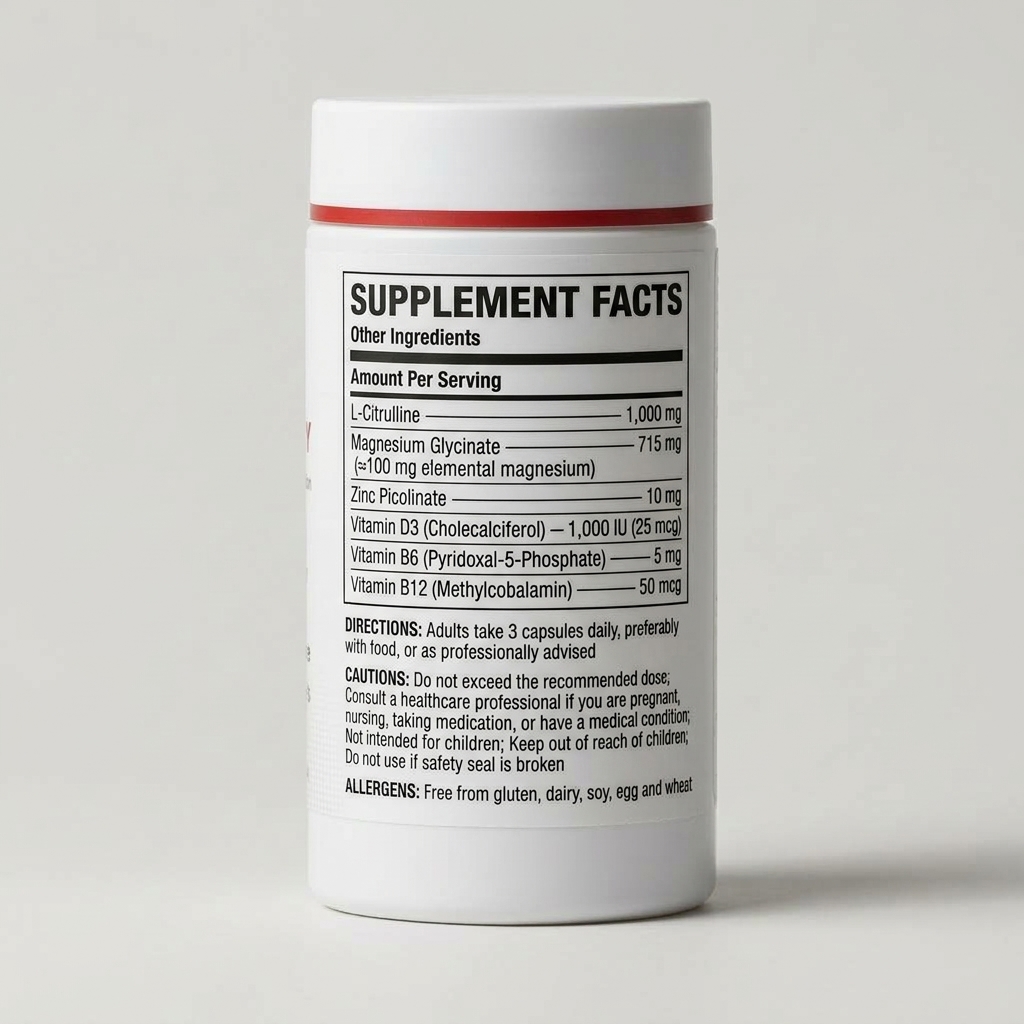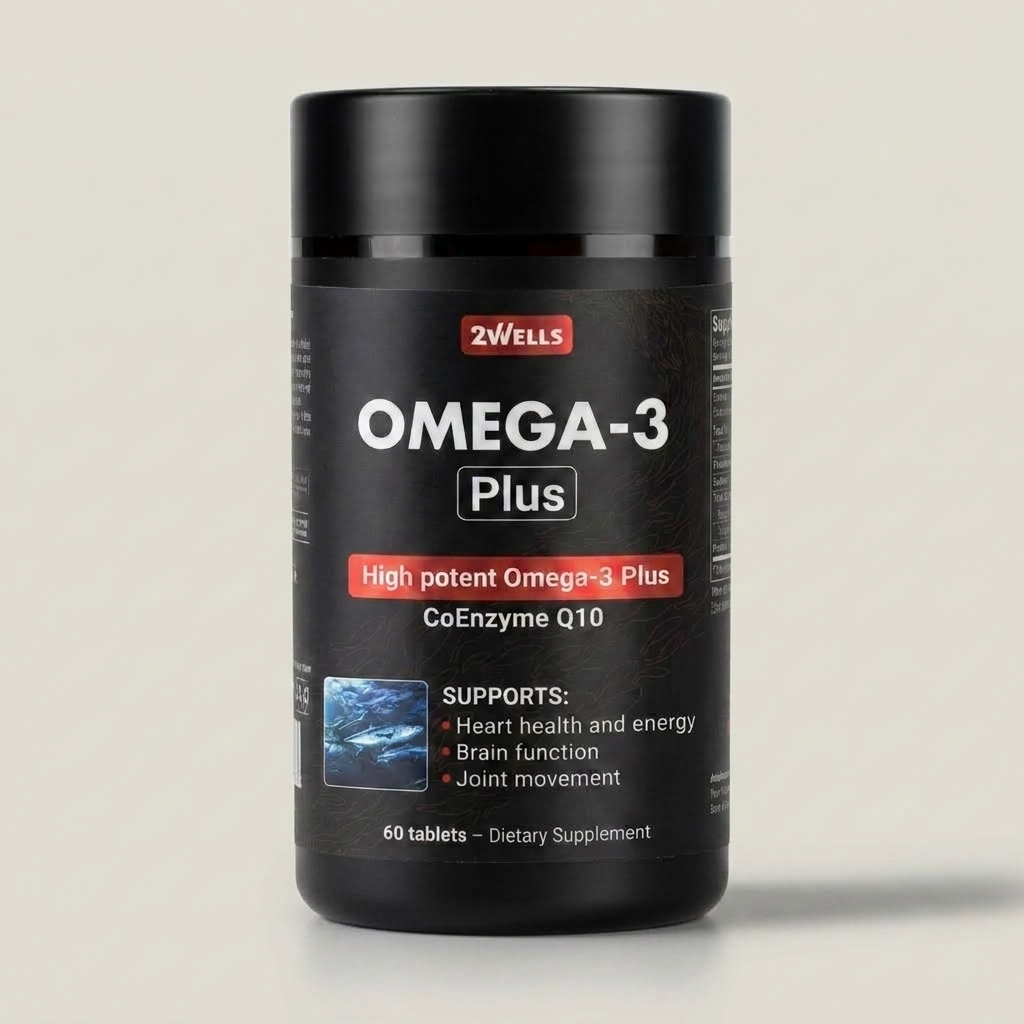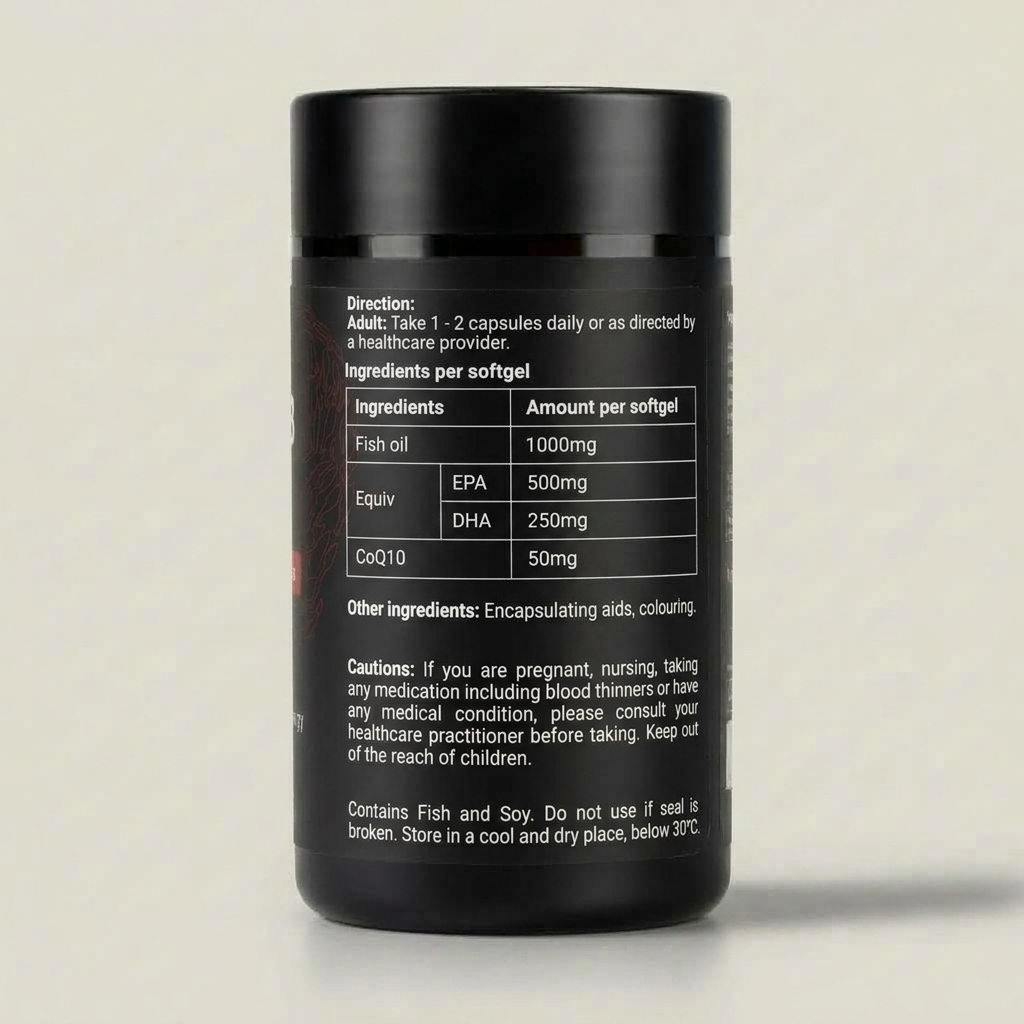
While zinc gets most of the attention, two lesser-known nutrients play equally crucial roles in sperm health and male reproductive function.
Introduction
When discussions turn to male fertility and reproductive health, zinc typically dominates the conversation—and rightfully so. But focusing exclusively on zinc overlooks two other nutrients that scientific research has identified as critical for male reproductive function: Coenzyme Q10 (CoQ10) and selenium.
These “unsung heroes” work at the cellular level, supporting the energy production and antioxidant defenses that sperm cells desperately need. For men concerned about fertility or simply wanting to optimize their reproductive health, understanding these nutrients could make a meaningful difference.
CoQ10: The Cellular Energy Engine
What Is CoQ10?
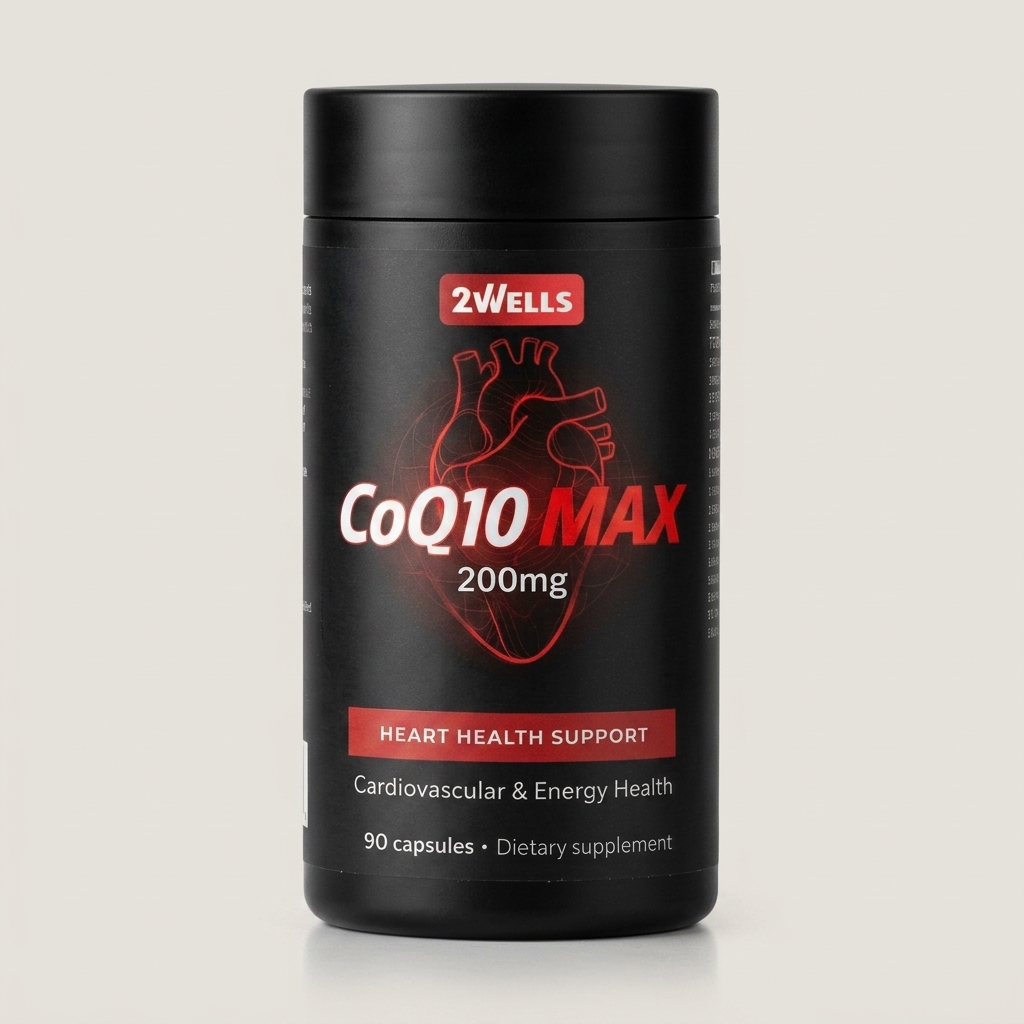
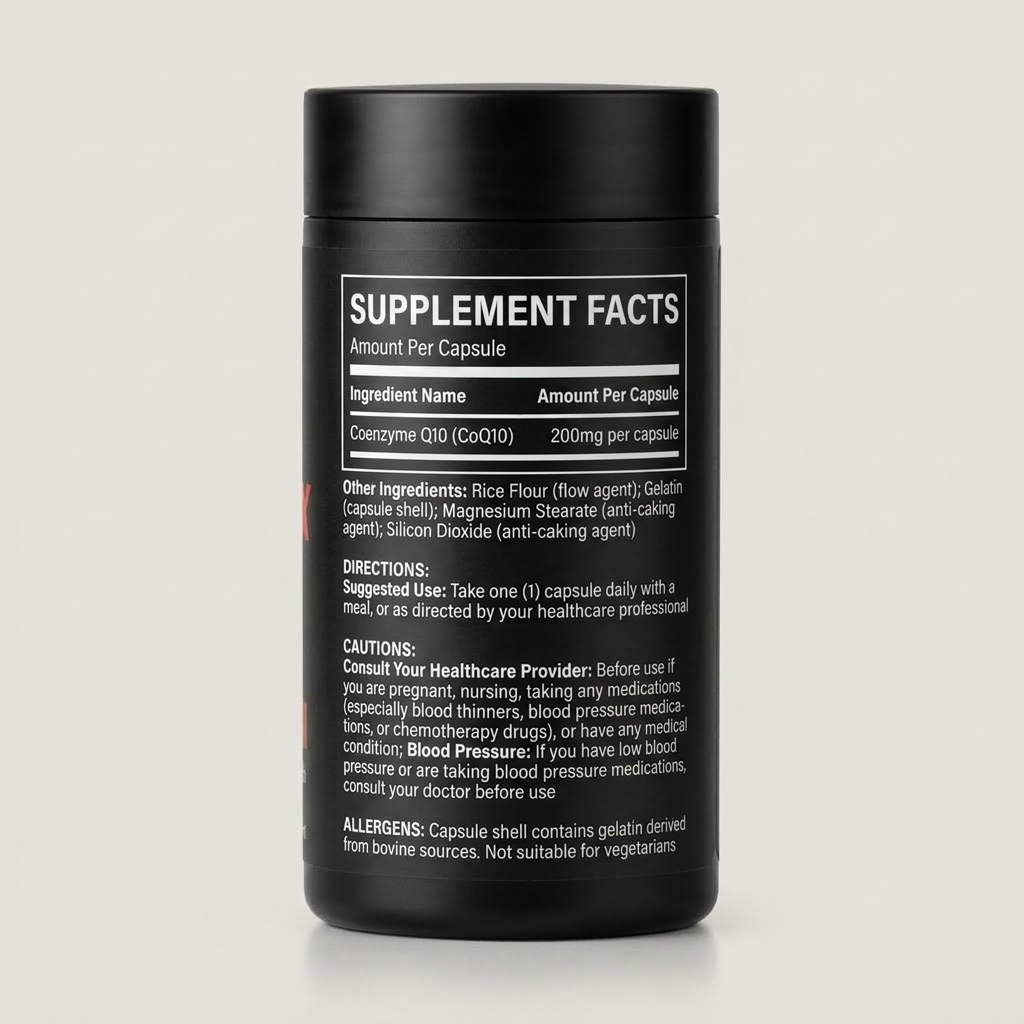
Coenzyme Q10, also known as ubiquinone, is a naturally occurring compound found in virtually every cell of your body. It plays two essential roles:
- Energy Production – CoQ10 is a critical component of the mitochondrial electron transport chain, the process by which your cells generate ATP (cellular energy)
- Antioxidant Protection – In its reduced form (ubiquinol), CoQ10 neutralizes free radicals and protects cell membranes from oxidative damage
Why CoQ10 Matters for Sperm
Sperm cells are among the most metabolically active cells in the body. Swimming toward an egg requires enormous amounts of energy, and the journey exposes them to significant oxidative stress. This makes CoQ10 particularly important for sperm health.
Energy for Motility
Sperm motility—the ability to swim effectively—requires substantial ATP. The mitochondria packed in the sperm’s midpiece must function optimally to power this movement. CoQ10 directly supports this energy production.
Protection from Oxidative Damage
Sperm are highly vulnerable to oxidative stress due to their high polyunsaturated fatty acid content and limited antioxidant defenses. CoQ10’s antioxidant properties help protect sperm DNA and cell membranes from free radical damage.
What the Research Shows
Multiple studies have examined CoQ10’s effects on male fertility:
- A study in the Journal of Urology found that men taking CoQ10 for 6 months showed significant improvements in sperm concentration and motility
- Research published in Fertility and Sterility demonstrated that CoQ10 supplementation improved sperm parameters in men with idiopathic infertility
- A meta-analysis of randomized controlled trials concluded that CoQ10 supplementation significantly improved sperm concentration, motility, and morphology
CoQ10 and Age-Related Decline
CoQ10 production decreases naturally with age, declining by approximately 50% between ages 25 and 65. This reduction parallels the decline in male fertility that occurs with aging, suggesting that CoQ10 supplementation may be particularly valuable for men over 35 who are trying to conceive.
Selenium: The Protective Mineral
Understanding Selenium’s Role
Selenium is a trace mineral that functions primarily through selenoproteins—specialized proteins that contain selenium as an essential component. Several of these selenoproteins have direct relevance to male reproductive health.
Selenium and Sperm Formation
Glutathione Peroxidases
These selenium-dependent enzymes protect developing sperm from oxidative damage during spermatogenesis (sperm production). Adequate selenium ensures these protective enzymes function properly.
Structural Role in Sperm
Selenium is actually incorporated into the structure of sperm cells. A specific selenoprotein (phospholipid hydroperoxide glutathione peroxidase) is a crucial component of the sperm midpiece, helping maintain sperm stability and motility.
Thyroid Hormone Metabolism
Selenium is essential for converting thyroid hormone T4 to the active form T3. Proper thyroid function influences testosterone production and overall reproductive health.
Scientific Evidence for Selenium and Male Fertility
Research consistently supports selenium’s importance for male reproductive function:
- A study in Biological Trace Element Research found that selenium supplementation improved sperm motility and increased the likelihood of conception
- Research in the British Journal of Urology demonstrated that men with low selenium levels had significantly lower sperm counts and motility
- A landmark study combining selenium with vitamin E showed dramatic improvements in sperm motility and reduced oxidative stress markers
The Selenium Sweet Spot
Interestingly, both deficiency and excess selenium can negatively impact fertility. Research suggests optimal selenium intake for male reproductive health falls in the range of 55-200mcg daily, with most studies showing benefits around 100-200mcg.
The form of selenium matters too. Selenomethionine—an organic form—is better absorbed and retained than inorganic forms like selenite.
The Synergy of Combining Nutrients
Why Single-Nutrient Approaches Fall Short
Male reproductive health isn’t determined by any single nutrient. Sperm production and function depend on:
- Adequate zinc for testosterone and sperm production
- CoQ10 for energy and antioxidant protection
- Selenium for structural integrity and enzymatic protection
- Various vitamins and amino acids for supporting processes
Addressing only one of these factors while ignoring others limits potential benefits.
How These Nutrients Work Together
Zinc + CoQ10: Zinc supports testosterone production, while CoQ10 provides the cellular energy needed for hormone synthesis and sperm motility.
CoQ10 + Selenium: Both nutrients provide antioxidant protection, but through different mechanisms. CoQ10 protects cell membranes, while selenium-dependent enzymes neutralize hydrogen peroxide and lipid peroxides. Together, they provide comprehensive oxidative stress defense.
Zinc + Selenium: Both minerals are concentrated in the testes and prostate, working synergistically to support reproductive tissue health.
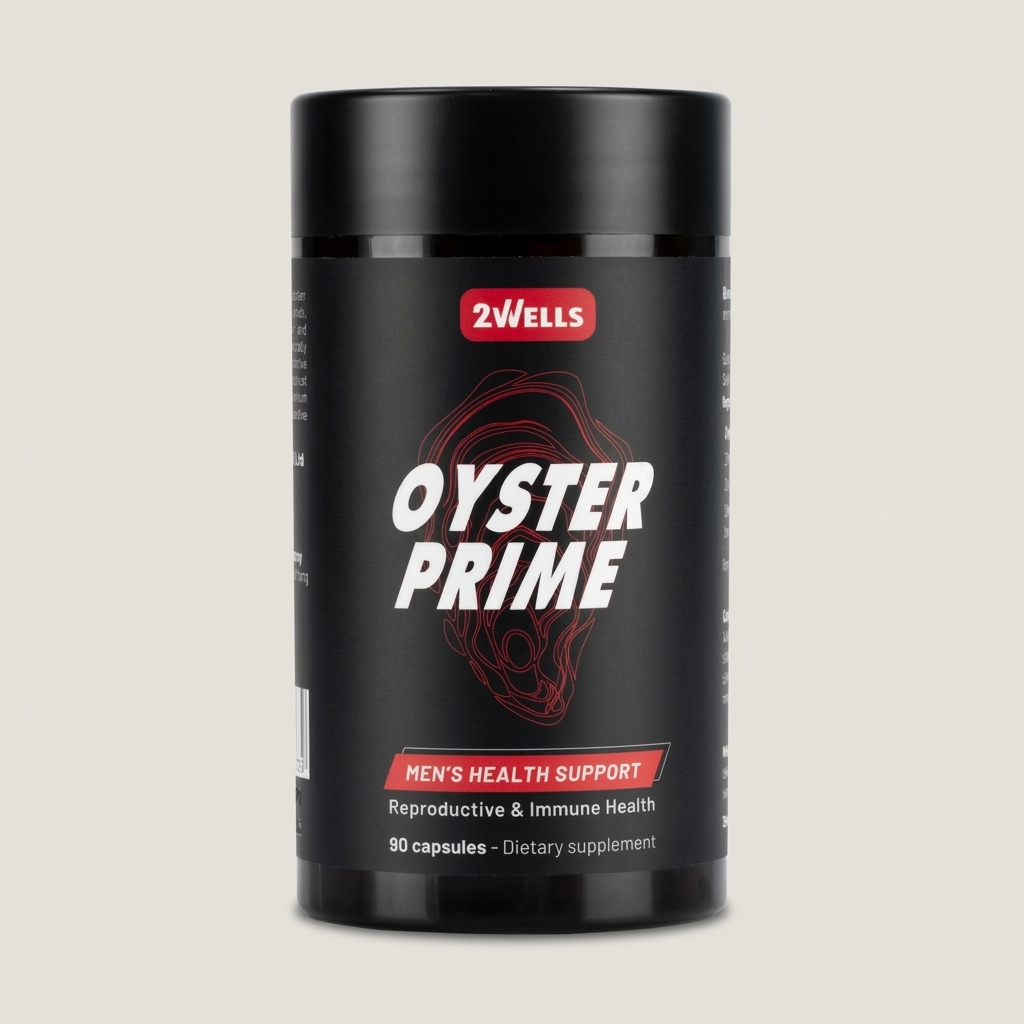
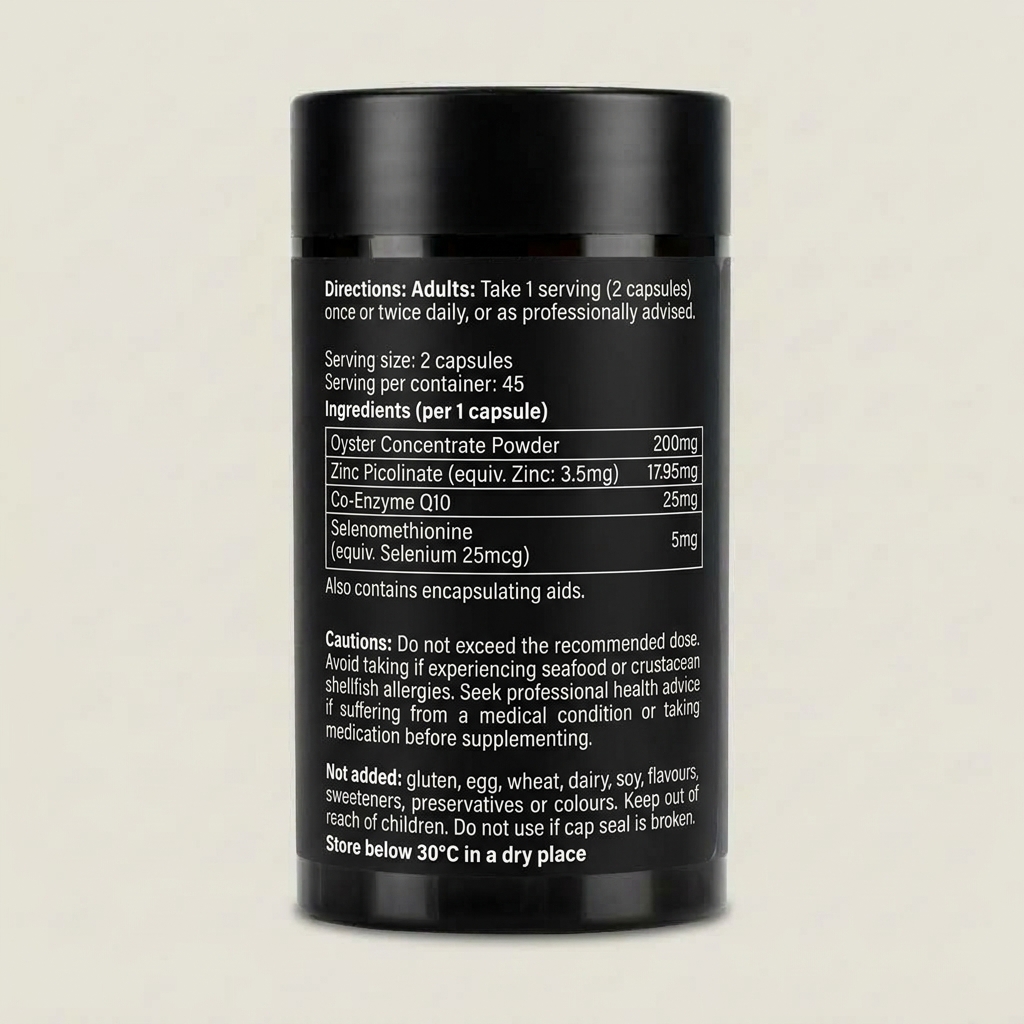
This is why comprehensive formulations make sense. Oyster Prime by 2WELLS exemplifies this approach, combining oyster concentrate (natural zinc and amino acids) with CoQ10 (25mg), zinc picolinate (17.95mg), and selenomethionine (5mg). This combination addresses multiple aspects of male reproductive health in one formula.
Optimizing Male Fertility: A Complete Approach
While supplementation with CoQ10 and selenium can support reproductive health, optimal fertility requires a comprehensive approach:
Lifestyle Factors That Impact Sperm Quality
Temperature Management
Sperm production requires temperatures 2-4°C below body temperature. Avoid:
- Prolonged laptop use on the lap
- Hot tubs and saunas
- Tight-fitting underwear
- Extended sitting
Exercise (But Not Too Much)
Regular moderate exercise supports testosterone and sperm quality. However, excessive endurance exercise or anabolic steroid use can impair fertility.
Reduce Toxin Exposure
Minimize exposure to:
- Pesticides and herbicides
- Heavy metals
- BPA and phthalates (common in plastics)
- Excessive alcohol
- Tobacco and recreational drugs
Manage Stress
Chronic stress elevates cortisol, which can suppress testosterone and impair sperm production.
Dietary Considerations
Focus on:
- Antioxidant-rich fruits and vegetables
- Omega-3 fatty acids from fatty fish
- Quality proteins
- Nuts and seeds (especially Brazil nuts for selenium)
- Limiting processed foods and sugar
Conclusion
While zinc deservedly receives attention for its role in men’s health, CoQ10 and selenium are equally important—yet often overlooked—nutrients for male reproductive function. CoQ10 powers the cellular energy production that sperm desperately need, while selenium provides structural integrity and antioxidant protection.
For men wanting to optimize their reproductive health—whether actively trying to conceive or simply maintaining their vitality—ensuring adequate intake of these nutrients makes scientific sense. Combined with zinc from natural sources like oyster extract and supported by healthy lifestyle choices, CoQ10 and selenium form a powerful foundation for male reproductive wellness.
Support your reproductive health with Oyster Prime by 2WELLS—featuring CoQ10, selenomethionine, zinc picolinate, and oyster concentrate in one comprehensive men’s health formula. Made in New Zealand under GMP standards for quality you can trust.
Disclaimer: These statements have not been evaluated by health authorities. This product is not intended to diagnose, treat, cure, or prevent any disease. Consult with a healthcare professional before starting any supplement regimen.