Most men who take an interest in nutrition think first about protein, and after that about whatever is currently fashionable. Magnesium, zinc and vitamin D rarely make the list, despite being involved in energy metabolism, hormone production, immune function and bone health. This article covers what each one does, the recommended amounts, who tends to fall short, and why these three so often get overlooked together.
Magnesium: Energy and Bone Signaling
The NHS describes magnesium as helping “turn the food we eat into energy” and helping “make sure the parathyroid glands, which produce hormones important for bone health, work normally.”
The recommended amount for men aged 19 to 64 is 300mg a day, and 270mg for women. It is found in green leafy vegetables, nuts, seeds, wholegrains and legumes — foods that are easy to eat little of without noticing, particularly on a diet weighted toward meat and refined grains.
Zinc: Cells, Metabolism and Repair
Zinc's roles are broad. The NHS lists “making new cells and enzymes,” “processing carbohydrate, fat and protein in food,” and “wound healing.”
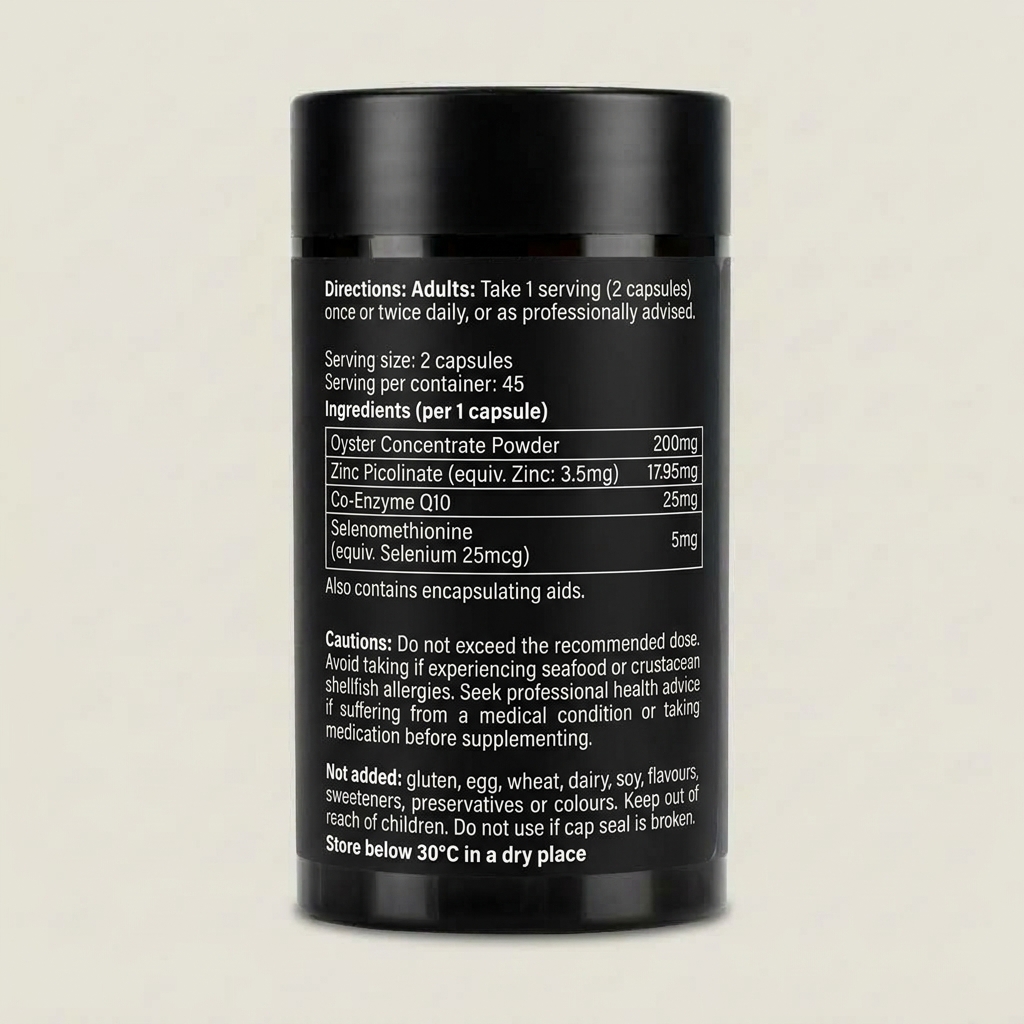
Men need around 9.5mg a day, compared with 7mg for women — one of the few nutrients with a meaningfully higher male requirement. Meat, shellfish, dairy and bread are common sources; oysters are the most concentrated dietary source by a wide margin.
Vitamin D: The Seasonal One
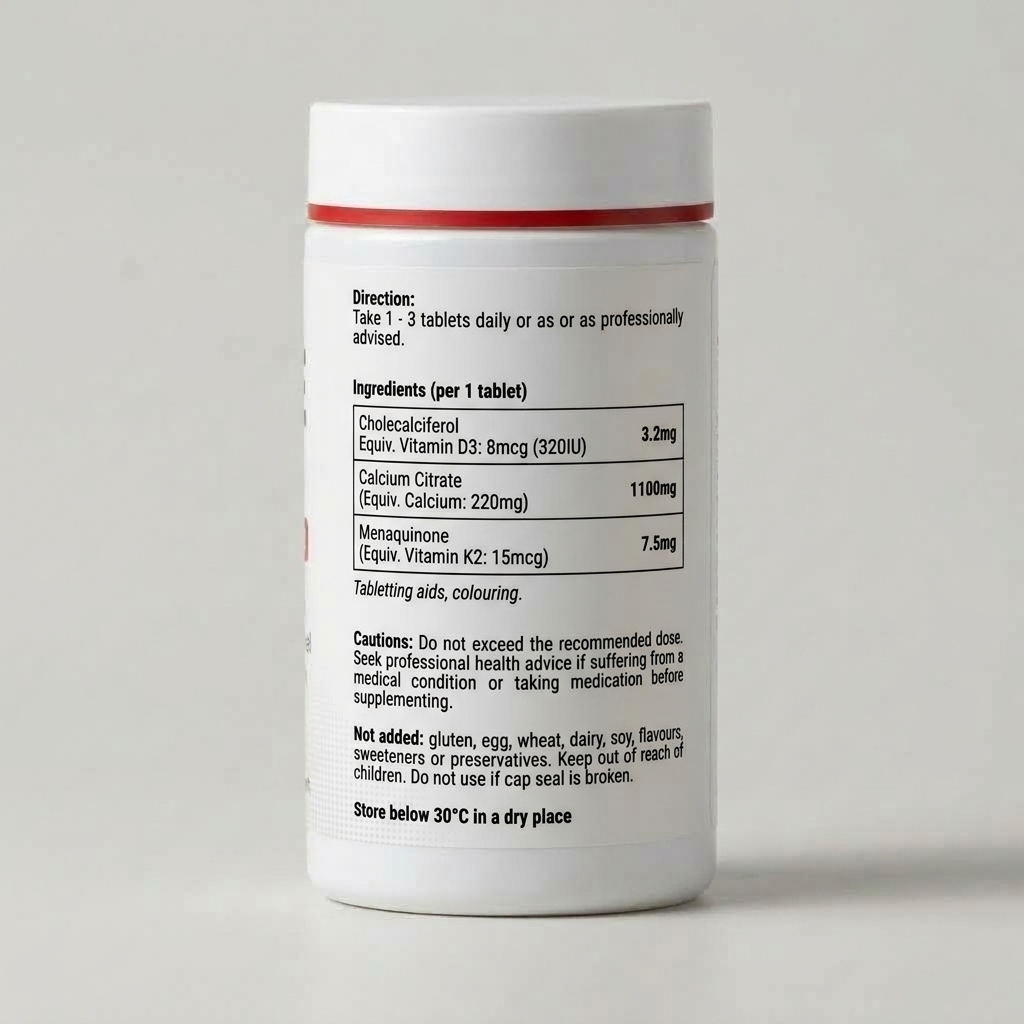
Vitamin D helps “regulate the amount of calcium and phosphate in the body,” which the NHS notes are needed to keep “bones, teeth and muscles healthy.” Adults need 10 micrograms a day.
What separates vitamin D from the other two is that diet is not the main route. Most people make what they need from sunlight between late March and September, and largely cannot outside that window — which is why the NHS suggests considering a daily supplement through autumn and winter. Men who work indoors through daylight hours are an obvious at-risk group.
Why These Three Get Missed Together
| Nutrient | Men aged 19–64 | Main route |
|---|---|---|
| Magnesium | 300mg/day | Greens, nuts, seeds, wholegrains |
| Zinc | 9.5mg/day | Meat, shellfish, dairy, bread |
| Vitamin D | 10mcg/day | Sunlight; few foods |
The pattern is that none of them is associated with a single obvious food the way protein is with meat or calcium is with milk. Magnesium is spread thinly across plant foods, zinc is concentrated in foods many people eat rarely, and vitamin D barely comes from food at all. An otherwise reasonable diet can be short on all three without anything looking obviously wrong.
Frequently Asked Questions
Do I need to supplement all three?
Not necessarily. Vitamin D is the one with the clearest seasonal case in northern latitudes. Magnesium and zinc are usually achievable through diet, if the diet includes the relevant foods regularly.
Does zinc raise testosterone?
Zinc is involved in hormone production, and deficiency can affect it. That is not the same as supplementation raising levels in someone who is not deficient, and claims to that effect generally go beyond the evidence.
Which form of magnesium is best?
Forms differ in absorption and in their tendency to cause digestive upset. Glycinate is often chosen for being well tolerated; oxide is cheaper and less well absorbed. The practical difference matters most at higher doses.
Can I take zinc and magnesium together?
Generally yes, and combined products are common. Very high doses of zinc can interfere with copper absorption over time, which is a reason to stay near recommended amounts rather than well above them.
Key Takeaways
- Magnesium helps turn food into energy and supports normal parathyroid function — 300mg a day for men
- Zinc supports new cells and enzymes, macronutrient processing and wound healing — 9.5mg a day
- Vitamin D regulates calcium and phosphate for bones, teeth and muscles — 10mcg a day
- Vitamin D comes mainly from sunlight, not food, and is hard to obtain from autumn to spring
- All three lack one obvious food source, which is why they are missed together
Conclusion
If you address one of these, make it vitamin D through the darker months, since it is the hardest to get any other way. For magnesium and zinc, the more durable fix is dietary: more leafy greens, nuts and seeds; and shellfish or meat for zinc. If you suspect a genuine shortfall, ask your doctor rather than guessing — blood tests exist for exactly this.
Scientific References
- Others (zinc, magnesium, beta-carotene) — NHS, Vitamins and minerals
https://www.nhs.uk/conditions/vitamins-and-minerals/others/ - Vitamin D — NHS, Vitamins and minerals
https://www.nhs.uk/conditions/vitamins-and-minerals/vitamin-d/