The men's bladder supplement aisle is large, confidently worded, and harder to evaluate than it looks. This guide is about how to read it — what the common ingredients are, what the controlled evidence actually shows, which label claims should raise an eyebrow, and what to do first if urinary symptoms are affecting your life.
Start With What the Symptoms Usually Mean
Most men reaching for these products are dealing with symptoms of benign prostate enlargement. The NHS describes the common ones: difficulty starting, a weak flow that stops and starts, needing to go more often or urgently including at night, dribbling afterward, and feeling unable to empty fully.
It is “common and is not usually serious,” and “most common in men over 50.” It is also, the NHS states clearly, “not caused by prostate cancer, and does not increase your risk.”
The Evidence Position, Stated Up Front
Before any label-reading advice, the context that should shape all of it. StatPearls' review of benign prostatic hyperplasia states that “no prepared dietary supplement has been proven to help BPH in properly performed, randomized, controlled studies.”
This applies to the category as a whole. Nothing below should be read as a way to find the one that works; it is a way to avoid the worst of what is sold.
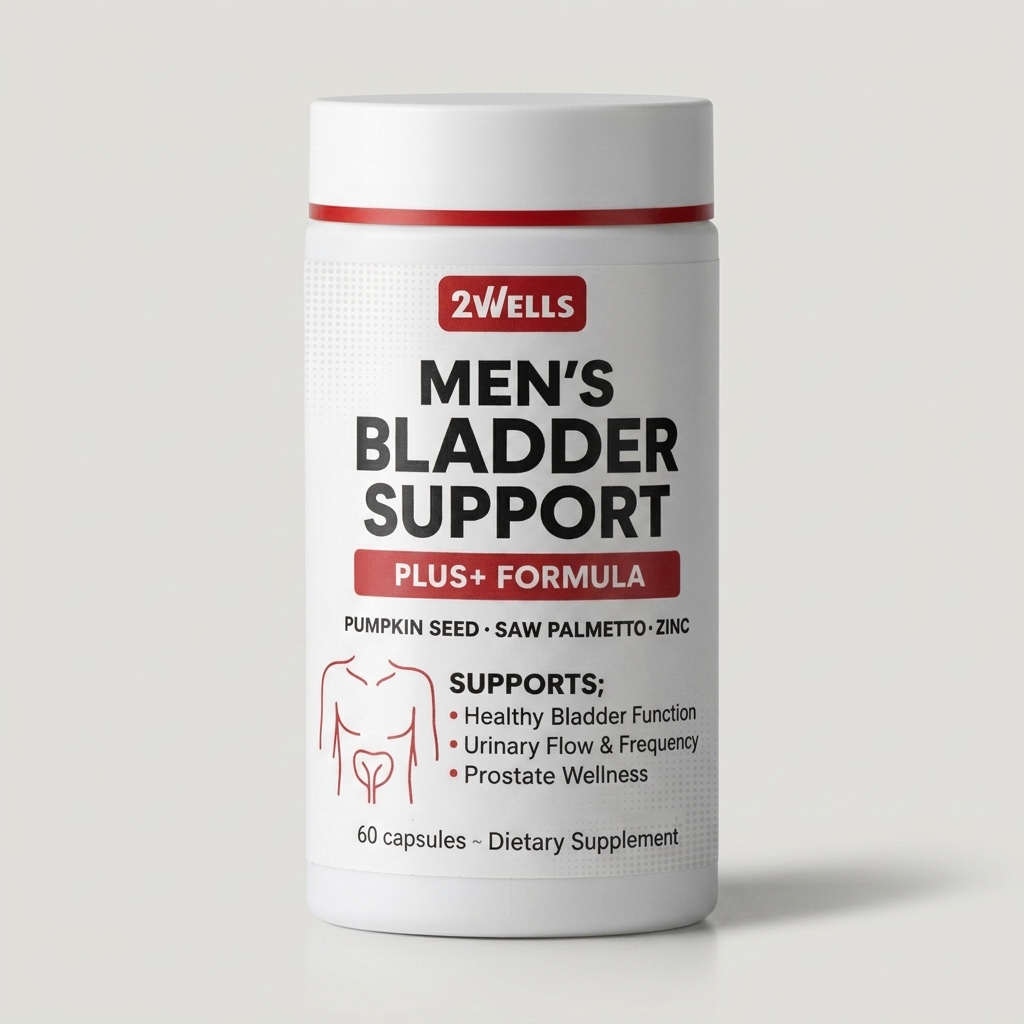
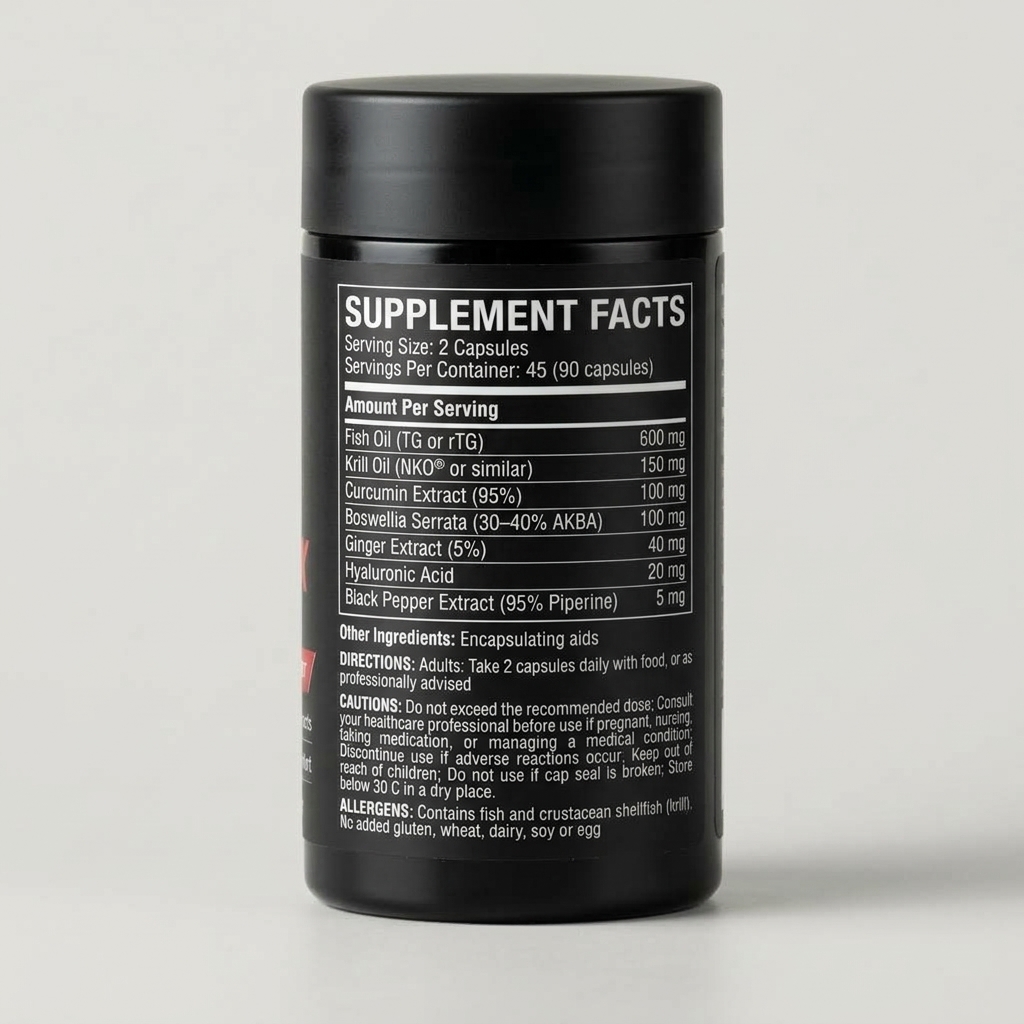
What You Will Find on the Label
| Ingredient | Why it is included |
|---|---|
| Saw palmetto | Traditional use for urinary complaints; the most-studied of the group |
| Pumpkin seed extract | Traditional European use for bladder function |
| Beta-sitosterol | A plant sterol, often present in the above |
| Cranberry extract | Associated with urinary tract health, a different question from prostate symptoms |
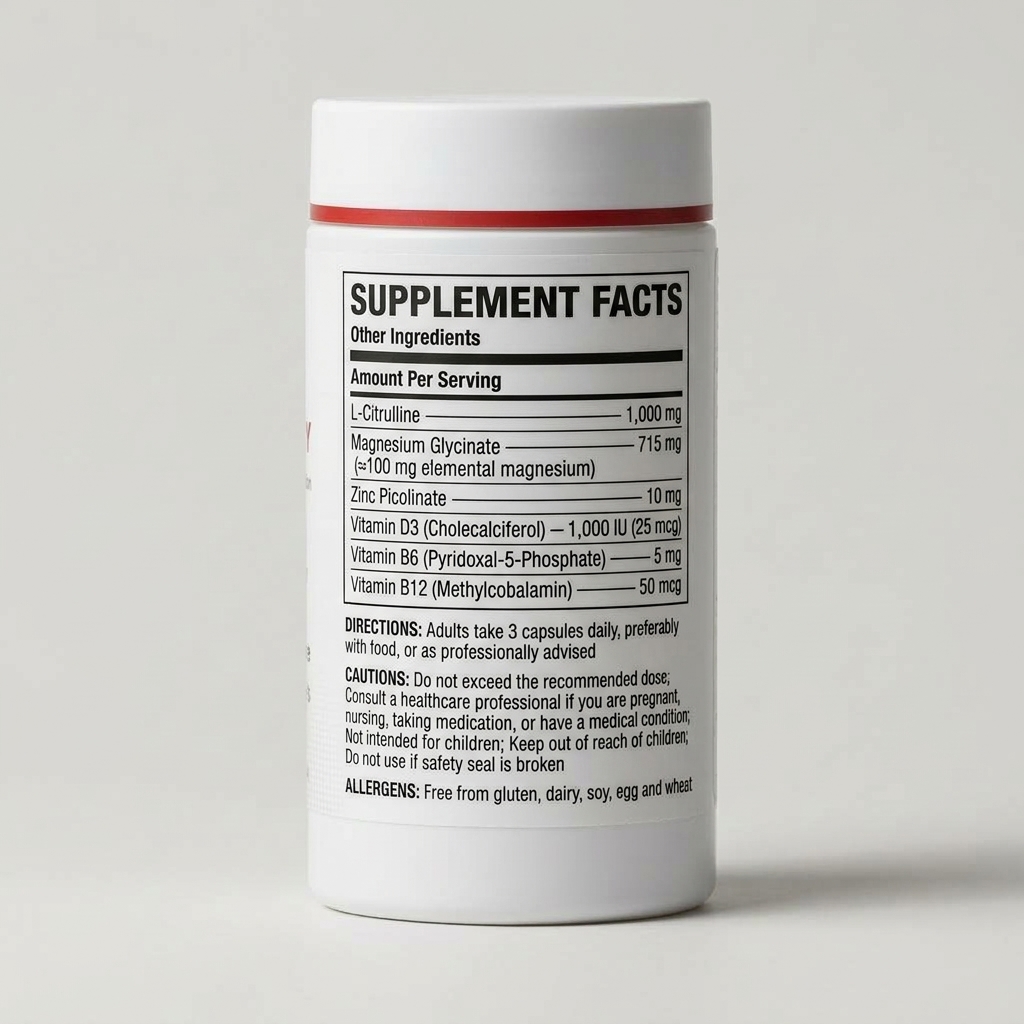
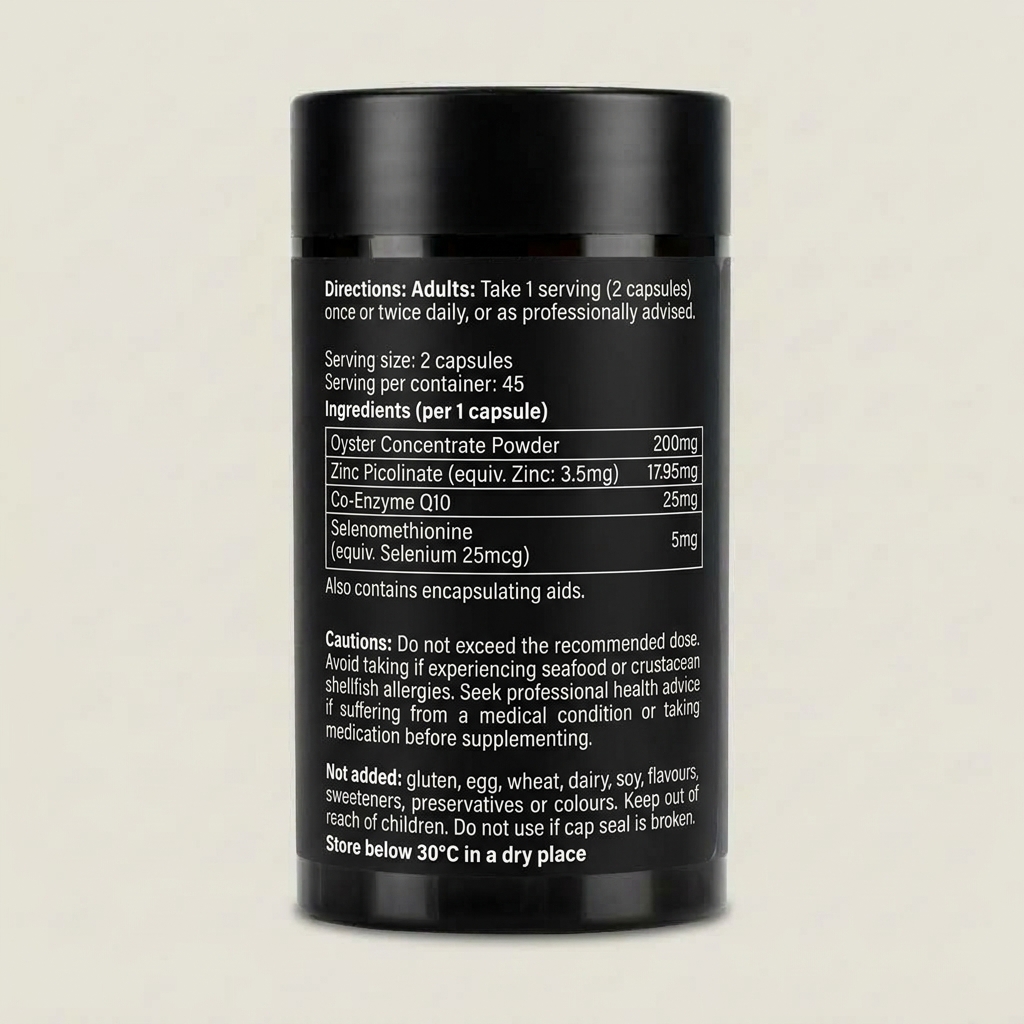
| Zinc | Supports making new cells and enzymes, macronutrient processing and wound healing (NHS) |
| Vitamin D | Regulates calcium and phosphate for bones, teeth and muscles (NHS) |
Note that the last two are general-purpose nutrients with defined roles, not bladder-specific ingredients. Their presence is not evidence of a urinary effect.
How to Read a Label Critically
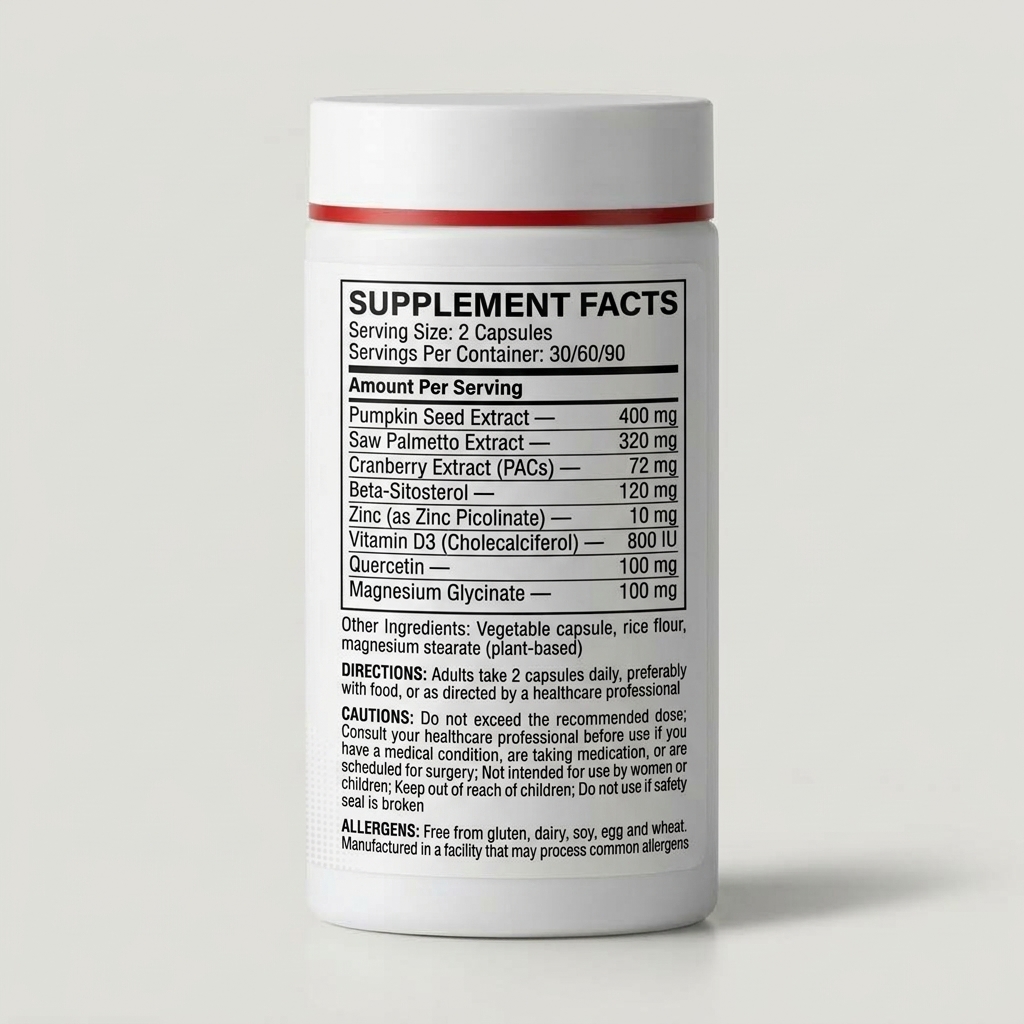
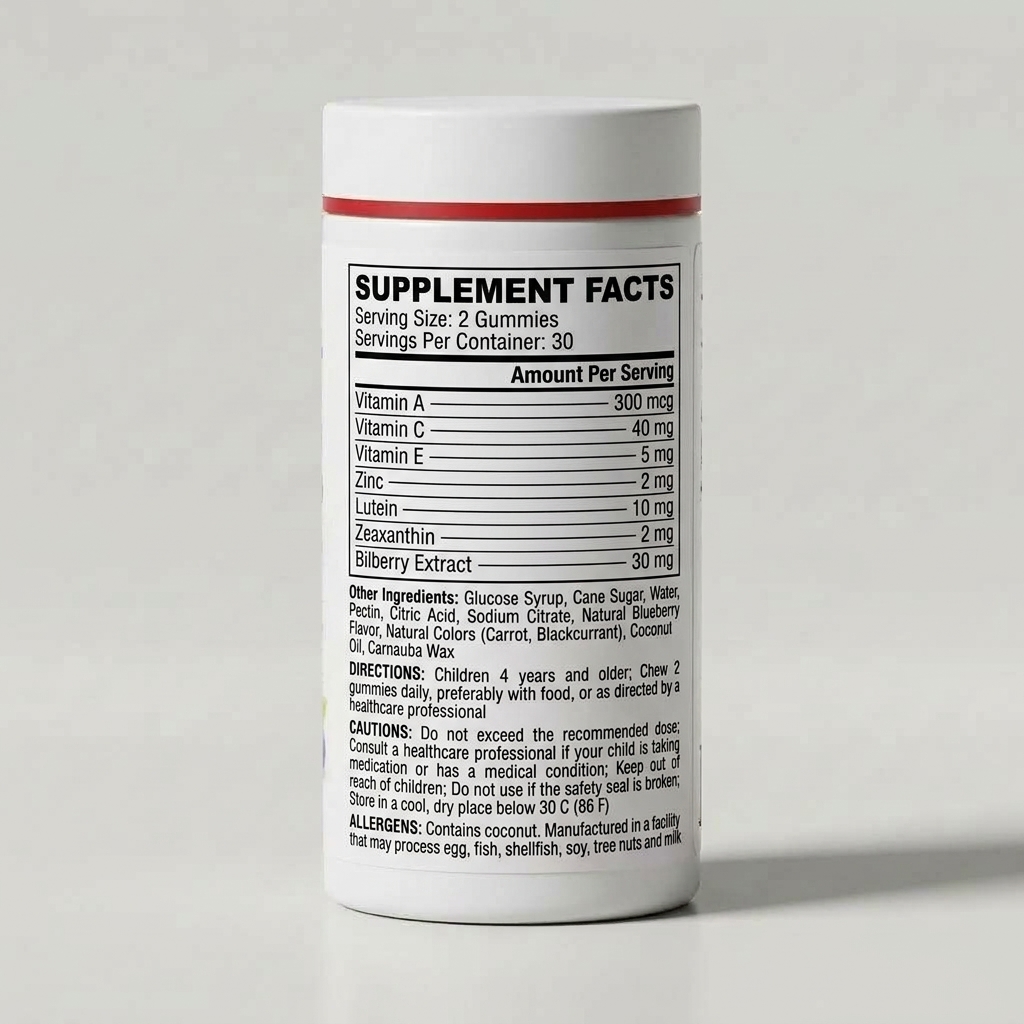
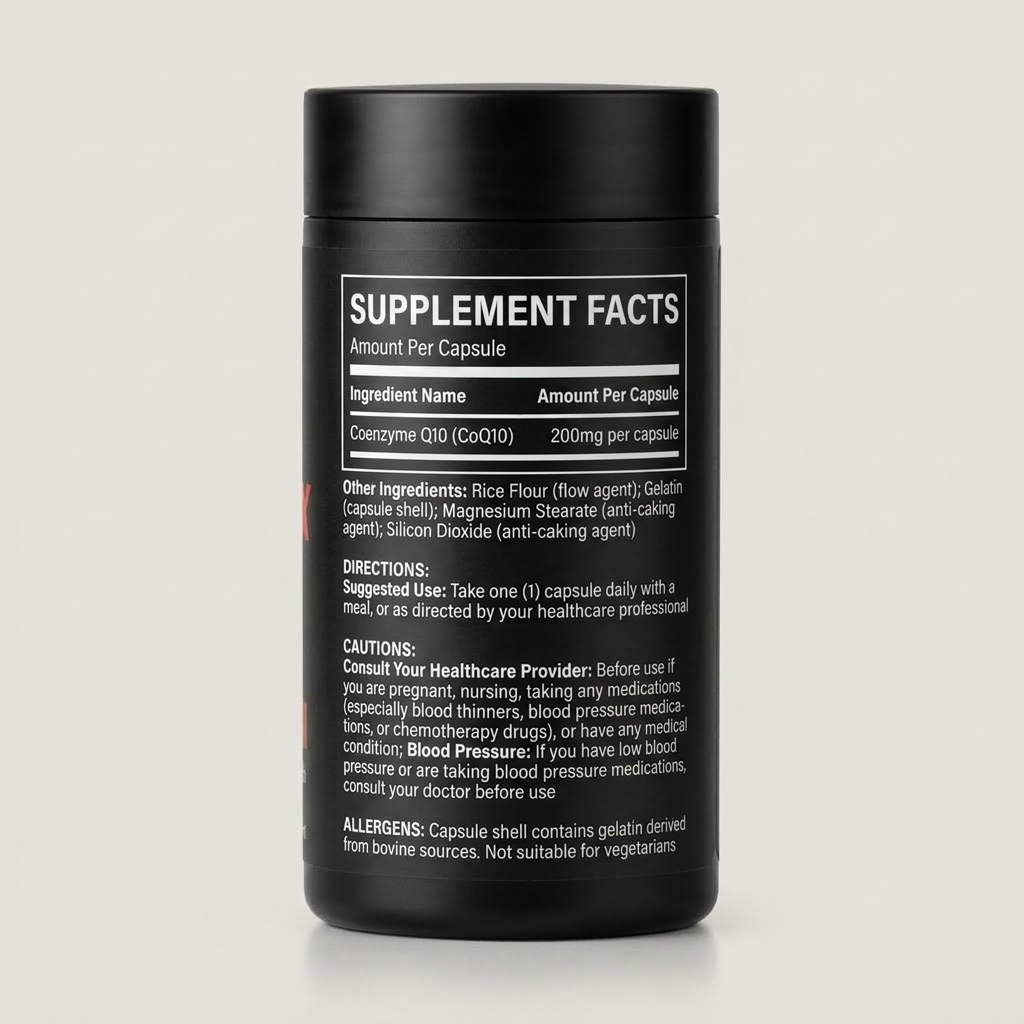
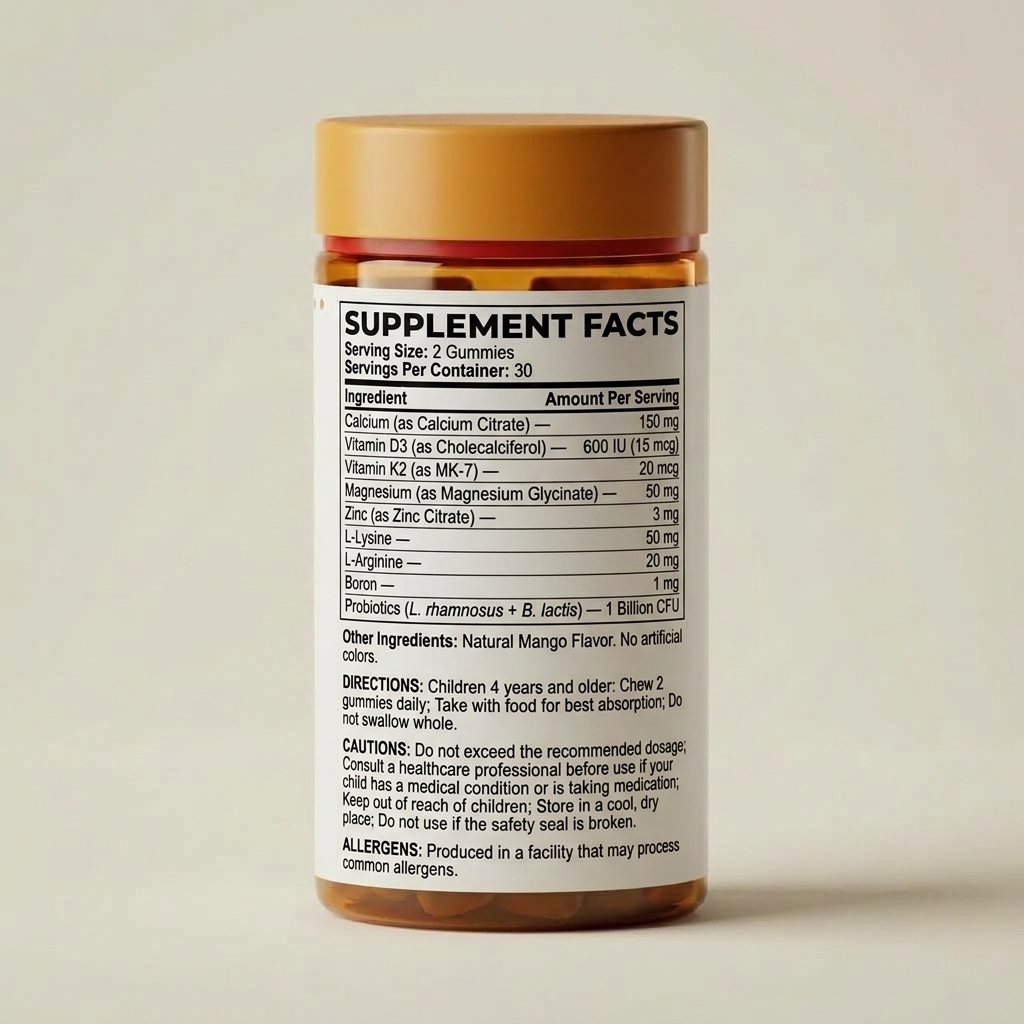
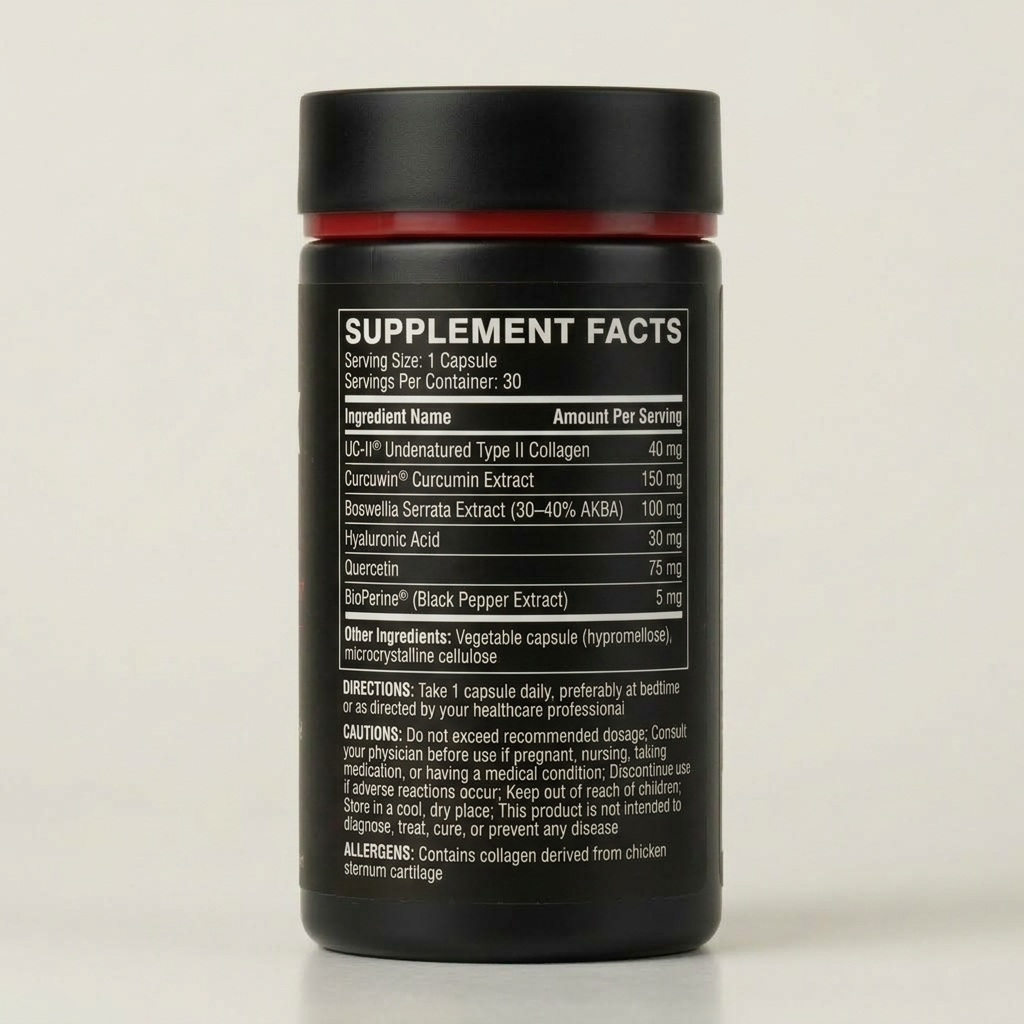
- Look for the amount, not just the name. An ingredient listed without a dose tells you nothing about whether there is enough of it to matter.
- Be wary of proprietary blends. A blend total hides how much of each ingredient is present, which usually means the cheap ones dominate.
- Check what the cited studies actually were. Size, duration, placebo group, funding source. Small, short, unblinded and industry-funded is the norm here and is weak evidence.
- Distinguish urinary tract from prostate. Cranberry is associated with the former; conflating the two is a common marketing move.
Claims That Should Make You Skeptical
- Anything describing a supplement as treating, curing or shrinking the prostate
- Promises of results within days
- “Clinically proven” without a citation you can check
- Implied endorsement by doctors or health authorities
- Any suggestion it can replace medical assessment
What to Do First
The NHS self-help measures are the reasonable starting point: reduce alcohol and caffeine, maintain a healthy weight, and try pelvic floor muscle training. All three are free, and the first two often produce noticeable change on their own.
If that is insufficient, established options exist — the NHS names tamsulosin, doxazosin and alfuzosin among medicines, and procedures such as TURP for more significant cases.
Frequently Asked Questions
Is there any bladder supplement worth taking?
On current controlled evidence, none has been shown to help BPH. If you choose to try one, treat it as an experiment with uncertain odds rather than a solution.
Can these supplements interact with medication?
Yes. Saw palmetto can interact with some medicines including anticoagulants. Tell your doctor what you take, especially before surgery.
Are the ingredients harmful?
Generally well tolerated at typical doses. The main risk is not harm from the ingredient but delay in getting symptoms assessed.
Why are they so widely sold?
Supplements do not need to demonstrate efficacy before sale the way medicines do. Availability reflects demand and regulation, not evidence.
Key Takeaways
- Most symptoms prompting these purchases relate to benign prostate enlargement, common over 50 and not linked to cancer risk
- StatPearls reports no dietary supplement proven to help BPH in properly controlled studies
- Read for doses, avoid proprietary blends, and check the studies cited
- Zinc and vitamin D are general nutrients, not bladder-specific ingredients
- Alcohol and caffeine reduction, weight and pelvic floor training are the evidence-backed first steps
- Persistent symptoms deserve assessment; effective medical options exist
Conclusion
The most useful thing a guide like this can do is set expectations accurately. These products are unlikely to resolve urinary symptoms, and the measures that help are mostly free or already well established in medicine. If symptoms are disrupting your sleep or your day, see a doctor — that single step is worth more than any comparison of labels.
Scientific References
- Benign Prostatic Hyperplasia — StatPearls, NCBI Bookshelf
https://www.ncbi.nlm.nih.gov/books/NBK558920/ - Enlarged prostate (benign prostate enlargement) — NHS
https://www.nhs.uk/conditions/prostate-enlargement/ - Others (zinc, magnesium, beta-carotene) — NHS, Vitamins and minerals
https://www.nhs.uk/conditions/vitamins-and-minerals/others/ - Vitamin D — NHS, Vitamins and minerals
https://www.nhs.uk/conditions/vitamins-and-minerals/vitamin-d/