Blood flow is easy to overlook because it is not something you feel directly. What you notice are its consequences — how quickly you recover between efforts, how your legs feel late in a session, how sharp you are in the afternoon. This article covers how circulation works at the vessel level, what nitric oxide does, what genuinely improves vascular function, and how to read supplement claims in this area.
What Circulation Is Actually Delivering
Every working cell needs oxygen and fuel, and needs metabolic byproducts removed. Both jobs belong to the circulation. When a muscle works harder its demand rises sharply, and the vascular system has to deliver more to that specific area without starving everywhere else.
That regulation happens largely in the smallest vessels, through changes in their diameter. A modest change in vessel width produces a large change in flow — which is why the mechanisms controlling diameter matter so much.
Nitric Oxide: The Main Signal
StatPearls describes nitric oxide as “an endogenous vasodilator that diffuses into vascular cells and mediates smooth muscle relaxation by binding to guanylyl cyclase.” That binding converts GTP to cGMP, activating protein kinases that cause calcium sequestration and let smooth muscle relax.
Nitric oxide is itself “produced by converting L-arginine into NO via NO synthases (NOS),” with endothelial NOS doing this in the vessel lining.
One detail explains why the signal is local rather than body-wide: StatPearls notes NO “exposed to the bloodstream binds readily to hemoglobin, thus inactivating it.” It is short-range by design, which is exactly what is needed to direct flow to specific tissues.
What Actually Improves Vascular Function
Exercise, particularly aerobic
Shear stress — the friction of blood moving along the vessel wall — is among the stimuli that activate endothelial NOS. Regular aerobic exercise repeatedly trains the system that produces nitric oxide, and it is the most reliable intervention available here.
Not smoking
Smoking damages the endothelium, the vessel lining where nitric oxide is produced. No supplement compensates for an impaired endothelium.
Blood pressure and weight
Both act on the vessels directly over time, and both are measurable and manageable with a doctor — which makes them more actionable than most factors.
Sleep
Poor sleep affects vascular function alongside its better-known effects on energy and concentration.
Where Supplements Fit
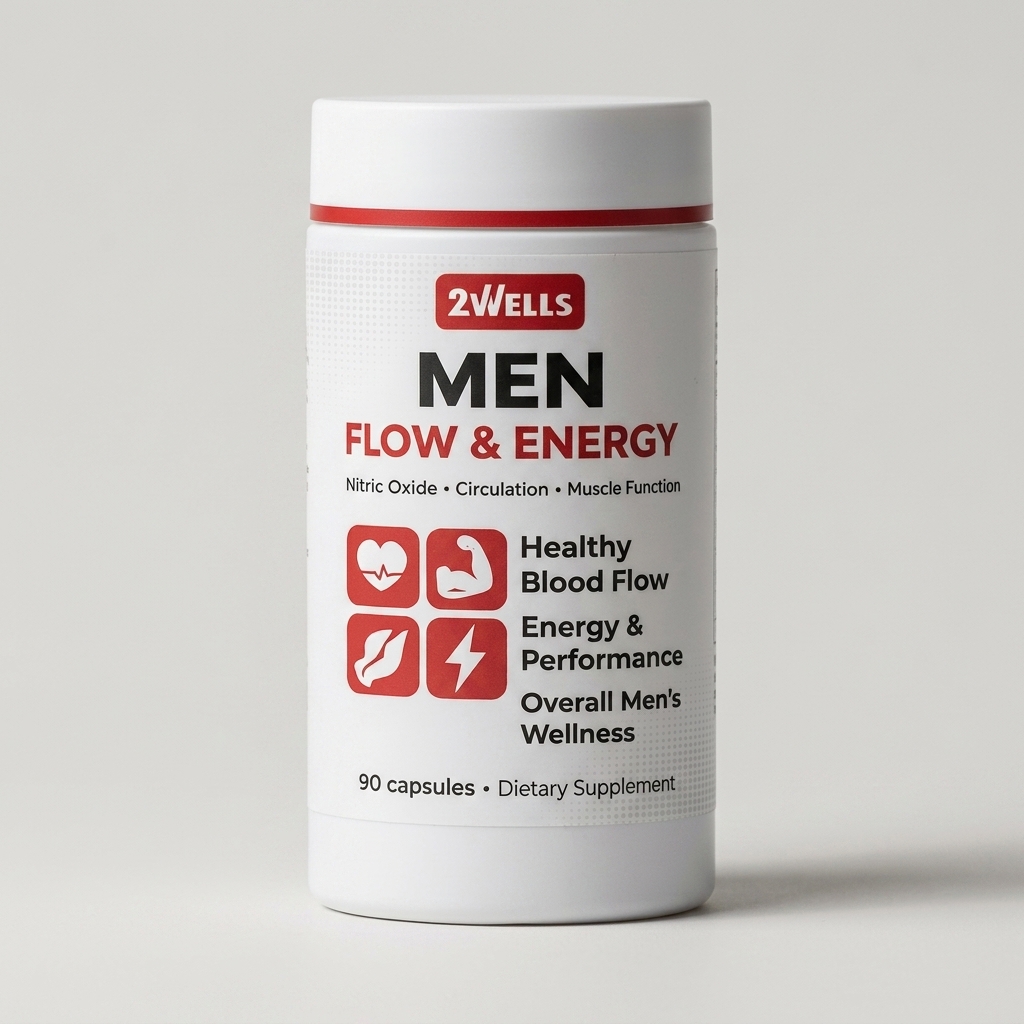
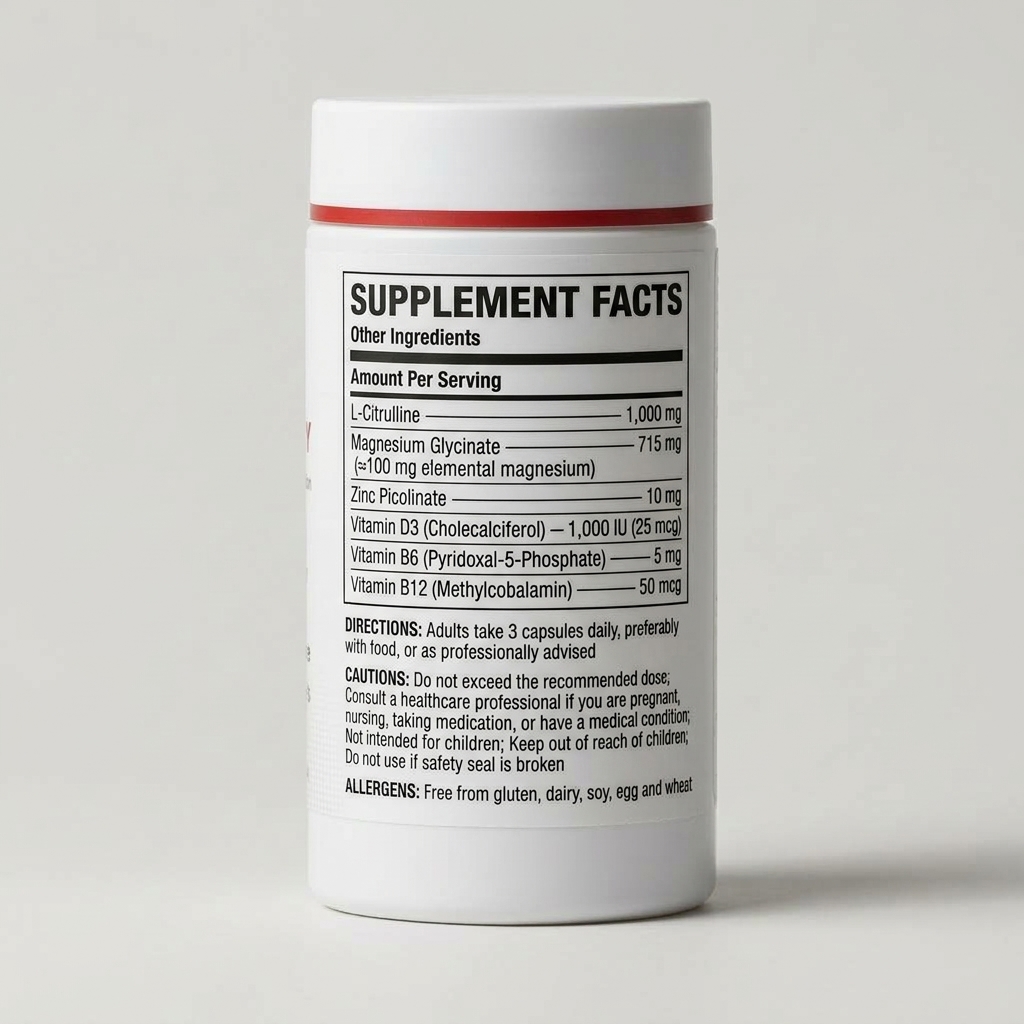
Supplements here usually target the nitric oxide pathway, typically through L-citrulline as an arginine precursor. A 2022 review in the Journal of Preventive Medicine and Hygiene confirms the mechanism — citrulline “bypasses hepatic metabolism and is not catalyzed by arginase enzymes” — while being direct about its limits: benefits are “mostly apparent in untrained or moderately trained individuals,” and “most of these benefits lack scientific support and are generally not based on research.”
The same review advises medical supervision, given interactions with medications and existing conditions.
Frequently Asked Questions
Can I feel better circulation?
Not directly. What changes is downstream — recovery between efforts, endurance, how you feel later in the day. Be skeptical of products promising an immediately noticeable circulatory sensation.
Do nitric oxide supplements work?
The pathway is genuine; the measurable benefit is modest and concentrated in untrained and moderately trained people. The review is explicit that many claimed benefits are not research-based.
What about beetroot juice?
Beetroot supplies dietary nitrate, which the body converts to nitric oxide by a route separate from the arginine pathway. It is among the better-studied dietary approaches here.
Is poor circulation a medical issue?
It can be. Persistent cold extremities, cramping on walking that eases with rest, numbness or slow-healing wounds should be assessed rather than supplemented.
Key Takeaways
- Circulation delivers oxygen and fuel and clears byproducts; small diameter changes have large effects on flow
- Nitric oxide relaxes vascular smooth muscle via the guanylyl cyclase and cGMP pathway
- NO is made from L-arginine and acts locally, as hemoglobin inactivates it in the bloodstream
- Aerobic exercise, not smoking, blood pressure, weight and sleep have the strongest evidence
- Citrulline's mechanism is real, but effects are modest and mostly in less-trained people
- Cramping on walking or slow-healing wounds warrant medical assessment
Conclusion
The interventions with the strongest evidence for vascular health are the ones recommended for decades: move regularly, do not smoke, manage blood pressure and weight, sleep properly. Supplements targeting nitric oxide sit on top of that foundation and are a poor replacement for it. If you have symptoms suggesting a circulatory problem, that is a medical question rather than a supplement one.
Scientific References
- Nitric Oxide — StatPearls, NCBI Bookshelf
https://www.ncbi.nlm.nih.gov/books/NBK554485/ - Dietary supplements for improving nitric-oxide synthesis — Journal of Preventive Medicine and Hygiene, 2022;63(2 Suppl 3):E239–E245
https://pmc.ncbi.nlm.nih.gov/articles/PMC9710401/