Needing the bathroom more often is one of the most common changes men notice from midlife onward, and one of the least discussed. It is also frequently misunderstood — assumed to be either trivial or alarming, when usually it is neither. This article covers why it happens, which symptoms are worth acting on, what the evidence supports, and where the line sits between managing something at home and getting it checked.
What Is Usually Behind It
The most common explanation in men over 50 is benign prostate enlargement. The NHS describes this simply as “when your prostate gets bigger,” noting it is “common and is not usually serious” and “most common in men over 50 years old.”
The prostate sits around the urethra, so as it enlarges it can affect the flow of urine passing through. That mechanical relationship explains most of the symptoms that follow.
As for cause, the NHS says it is “thought that an enlarged prostate may be caused by changes in your hormone levels as you get older.”
The Reassurance Worth Stating Plainly
Many men quietly assume urinary symptoms point to cancer. The NHS is unambiguous: an enlarged prostate “is not caused by prostate cancer, and does not increase your risk.”
That is worth knowing early, because the fear is a large part of why these symptoms go unmentioned for years.
The Symptoms to Recognize
The NHS lists:
- Difficulty starting to pee, or having to push or strain
- A weak flow, stopping and starting
- Needing to pee more often or urgently, including getting up during the night
- Dribbling after you finish
- Feeling like you cannot fully empty your bladder
Frequency rarely arrives alone. It is the combination — particularly hesitancy, weak flow and incomplete emptying — that points toward the prostate rather than simply drinking more fluid.
What Actually Helps
Self-help measures
The NHS suggests reducing alcohol and caffeine, maintaining a healthy weight, and pelvic floor muscle training. The first two are worth trying before anything else, since both alcohol and caffeine increase urine production and irritate the bladder — and both are easy to adjust.
Pelvic floor training is often assumed to be advice for women. It is not; the same muscles support bladder control in men.
Medical options
Where self-help is not enough, the NHS lists medicines including tamsulosin, doxazosin and alfuzosin, and surgical options such as transurethral resection of the prostate (TURP) for more significant cases.
On supplements, honestly
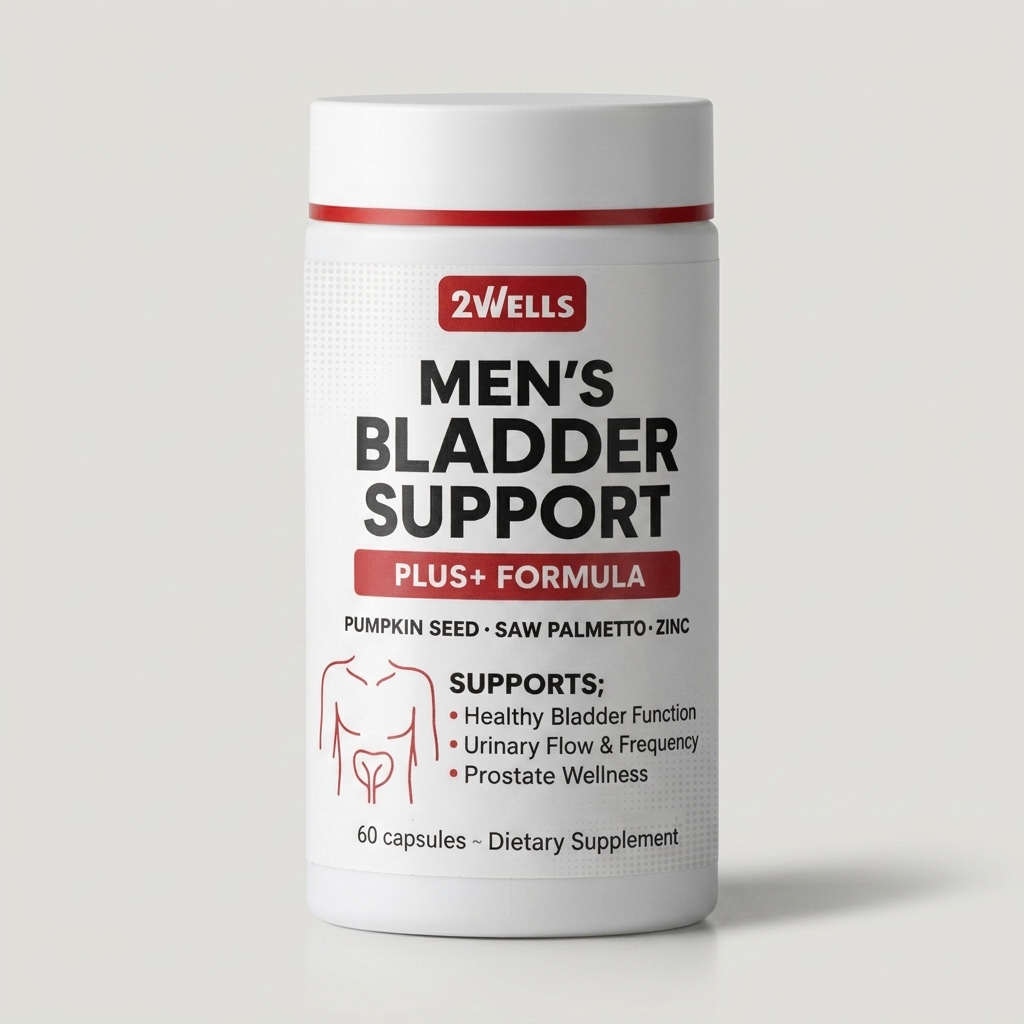
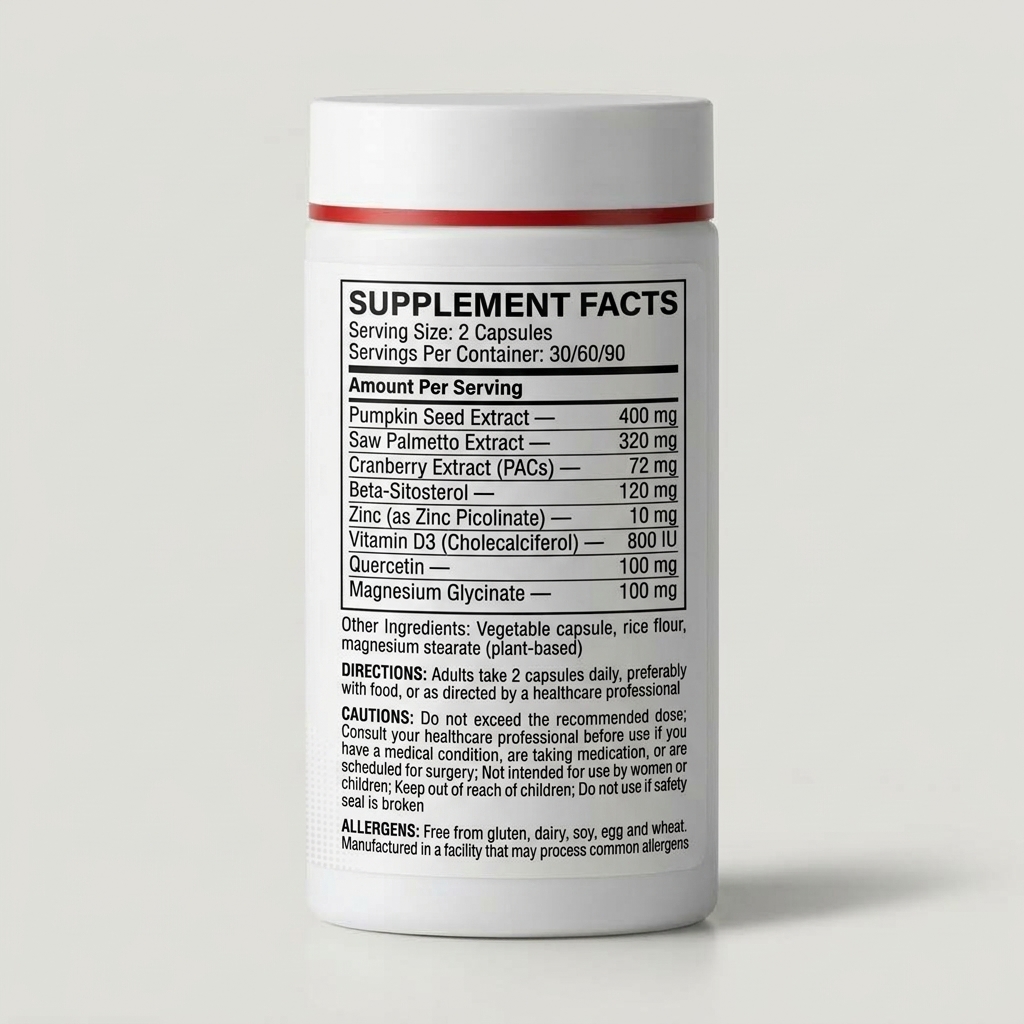
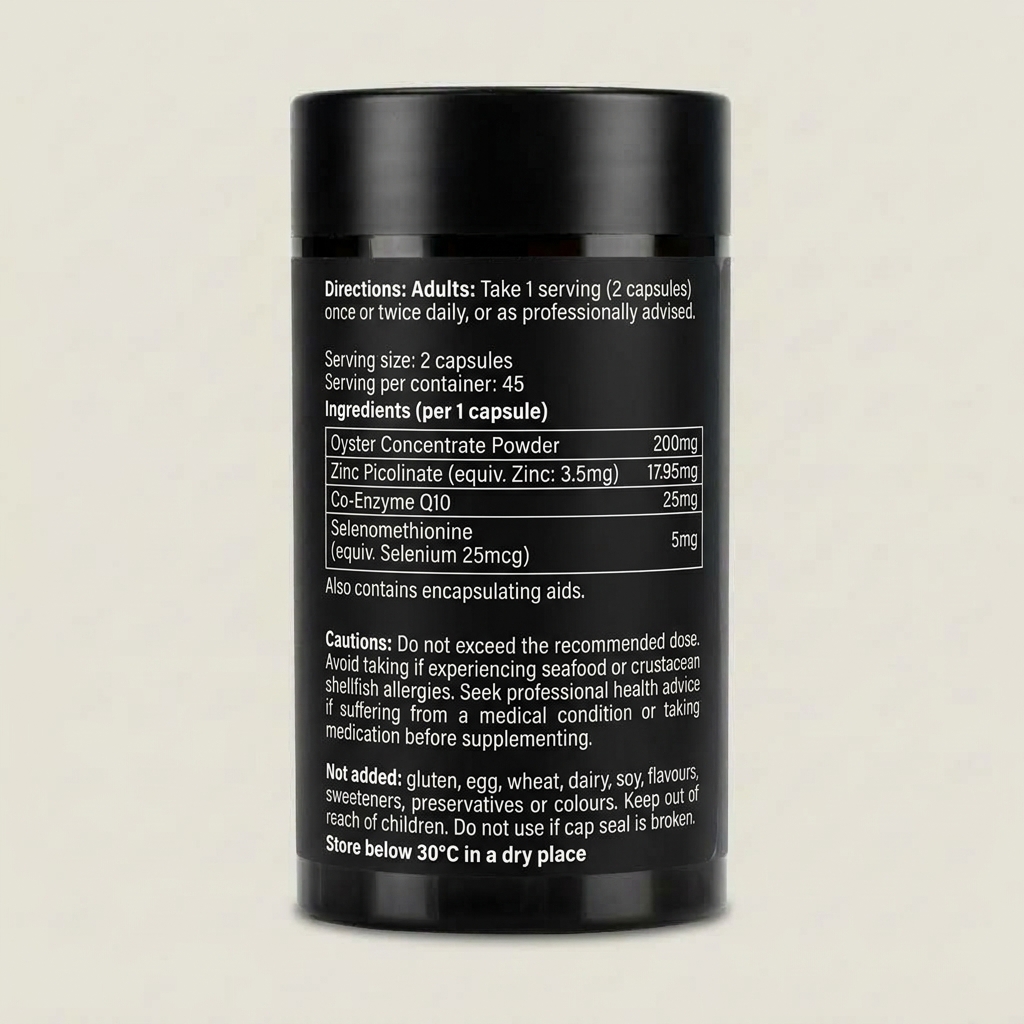
This is where the evidence is weaker than the marketing. StatPearls' review of benign prostatic hyperplasia states that “no prepared dietary supplement has been proven to help BPH in properly performed, randomized, controlled studies.”
That is a clear statement and it deserves to be reported clearly. Supplements in this category are widely sold and widely used; the controlled evidence does not currently support them for this purpose.
When to See a Doctor
Urinary symptoms are worth raising with a doctor rather than waiting, both because effective options exist and because assessment rules out less common causes. Seek advice promptly for blood in the urine, pain on passing urine, inability to pass urine at all, fever alongside urinary symptoms, or symptoms that are worsening quickly.
Frequently Asked Questions
How often is too often?
There is no universal number — it depends on fluid intake, medication and habit. The more useful question is whether it has changed, and whether it comes with hesitancy, weak flow or incomplete emptying.
Is getting up at night normal?
Waking once is common with age. Waking repeatedly, or a clear change from your own baseline, is worth mentioning to a doctor.
Should I drink less water?
Not generally — dehydration concentrates urine and can irritate the bladder. Adjusting timing, and reducing alcohol and caffeine, is usually more effective than reducing fluid overall.
Does an enlarged prostate lead to cancer?
No. The NHS states it is not caused by prostate cancer and does not increase the risk. They are separate conditions that happen to affect the same organ.
Key Takeaways
- Benign prostate enlargement is common in men over 50 and not usually serious
- It is not caused by prostate cancer and does not increase that risk
- Hesitancy, weak flow, urgency, dribbling and incomplete emptying often accompany frequency
- Reducing alcohol and caffeine, weight management and pelvic floor training are first-line self-help
- Effective medicines and procedures exist where self-help is insufficient
- StatPearls reports no dietary supplement proven to help BPH in controlled studies
Conclusion
The most common mistake with these symptoms is silence. They are common, usually benign, and there are measures that help — starting with alcohol, caffeine and weight, and extending to well-established medical options. If this is affecting your sleep or your day, that is reason enough to raise it with a doctor.
Scientific References
- Enlarged prostate (benign prostate enlargement) — NHS
https://www.nhs.uk/conditions/prostate-enlargement/ - Benign Prostatic Hyperplasia — StatPearls, NCBI Bookshelf
https://www.ncbi.nlm.nih.gov/books/NBK558920/