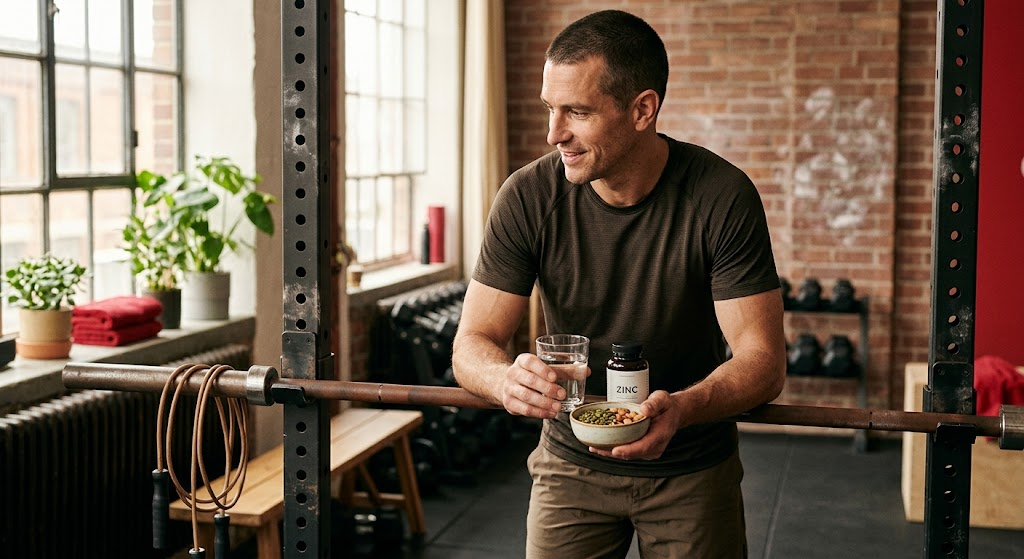
Understanding the critical connection between zinc and testosterone could be the key to optimizing your health, energy, and vitality.
Introduction
Testosterone often dominates conversations about men’s health—and for good reason. This essential hormone influences everything from muscle mass and bone density to mood, motivation, and sexual function. Yet many men overlook one of the most important factors in healthy testosterone production: zinc.
This trace mineral plays a fundamental role in testosterone synthesis, and research shows that even mild zinc deficiency can significantly impact hormone levels. Understanding this connection—and ensuring adequate zinc intake—could be one of the most impactful steps you take for your health.
The Zinc-Testosterone Connection
How Zinc Supports Testosterone Production
Zinc’s involvement in testosterone production occurs at multiple levels:
1. Leydig Cell Function
The Leydig cells in the testes are responsible for producing testosterone. Zinc is essential for these cells to function properly and respond to luteinizing hormone (LH), which signals them to produce testosterone.
2. Enzyme Activation
Zinc acts as a cofactor for enzymes involved in the testosterone synthesis pathway. Without adequate zinc, these enzymatic processes become impaired.
3. Aromatase Inhibition
Zinc helps inhibit aromatase, the enzyme that converts testosterone to estrogen. By moderating this conversion, zinc helps maintain optimal testosterone-to-estrogen ratios.
4. Pituitary Function
The pituitary gland, which controls hormonal signaling throughout the body, requires zinc for proper function. Zinc deficiency can disrupt the hormonal feedback loops that regulate testosterone production.
What the Research Says
A landmark study published in Nutrition examined zinc’s effects on testosterone in young men. Researchers found that restricting dietary zinc for 20 weeks caused serum testosterone levels to drop significantly. Conversely, zinc supplementation in elderly men with marginal zinc deficiency nearly doubled their testosterone levels over six months.
Another study in Biological Trace Element Research found that wrestlers taking 3mg of zinc per kg of body weight maintained testosterone levels during intensive training, while the placebo group experienced significant declines.
Signs of Zinc Deficiency in Men
Zinc deficiency is more common than many realize—especially among athletes, older men, vegetarians, and those with digestive issues. Watch for these warning signs:
Physical Symptoms
- Decreased muscle strength and slower recovery
- Hair loss or thinning
- Slow wound healing
- Frequent colds and infections
- Skin problems (acne, dermatitis)
- Loss of appetite or altered taste perception
Hormonal and Sexual Symptoms
- Low libido or sexual dysfunction
- Reduced energy and motivation
- Difficulty building muscle despite training
- Increased body fat, particularly around the midsection
- Mood changes, including irritability or depression
Who’s at Risk?
Certain groups face higher risk of zinc deficiency:
- Athletes – Zinc is lost through sweat during exercise
- Men over 50 – Absorption decreases with age
- Vegetarians/Vegans – Plant-based zinc is less bioavailable
- Those with digestive disorders – Crohn’s, celiac disease, and IBS can impair absorption
- Heavy alcohol consumers – Alcohol interferes with zinc metabolism
Best Food Sources of Zinc
Oysters: The Undisputed Champion
No food comes close to oysters for zinc content. A single serving of oysters (about 6 medium) provides approximately 32mg of zinc—nearly 300% of the daily recommended value. This remarkable concentration explains why oyster extract has been used for centuries to support men’s health.
Other Zinc-Rich Foods
While nothing matches oysters, these foods provide meaningful zinc:
| Food | Zinc per Serving |
|---|---|
| Beef (3 oz) | 7mg |
| Crab (3 oz) | 6.5mg |
| Pumpkin Seeds (1 oz) | 2.2mg |
| Chicken (3 oz) | 2.4mg |
| Chickpeas (1 cup) | 2.5mg |
| Cashews (1 oz) | 1.6mg |
The Bioavailability Factor
Not all zinc is absorbed equally. Zinc from animal sources is generally more bioavailable than plant-based zinc. Additionally, phytates found in grains and legumes can bind to zinc and reduce absorption.
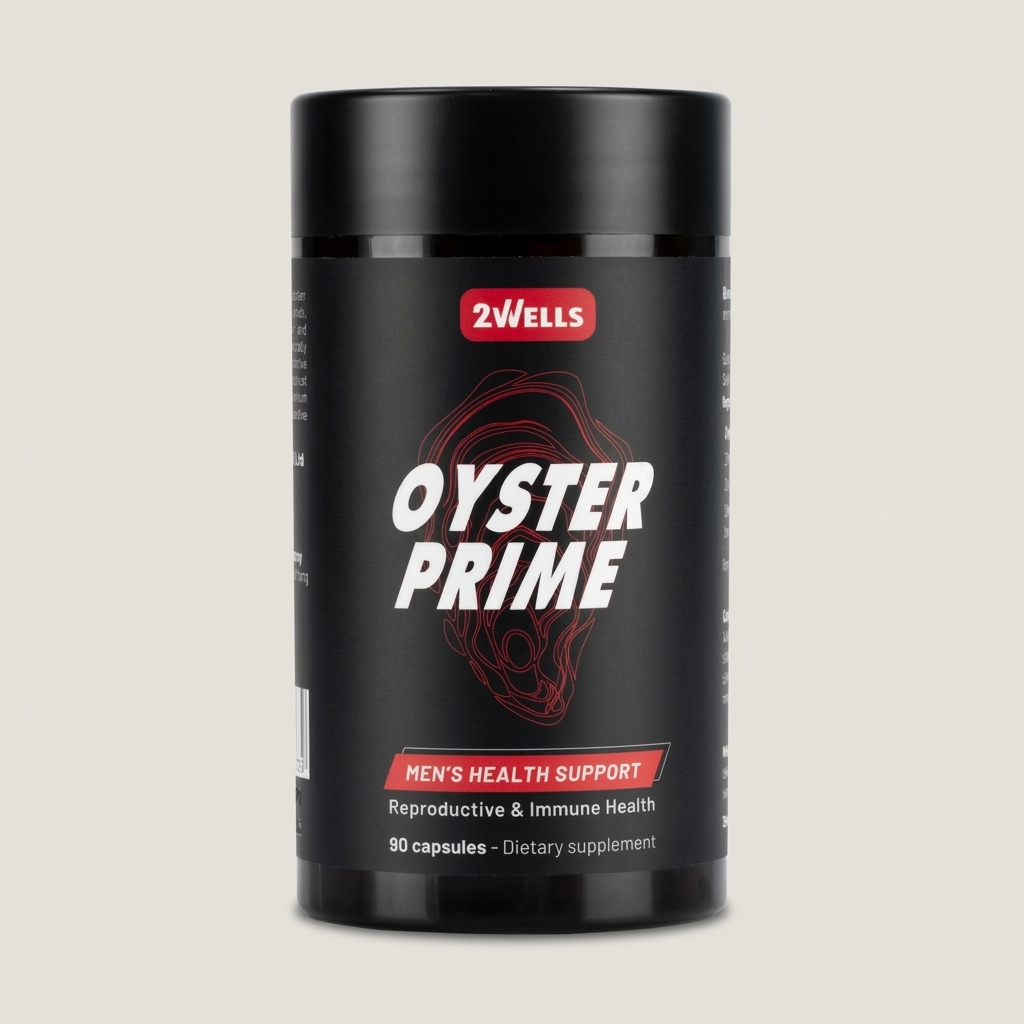
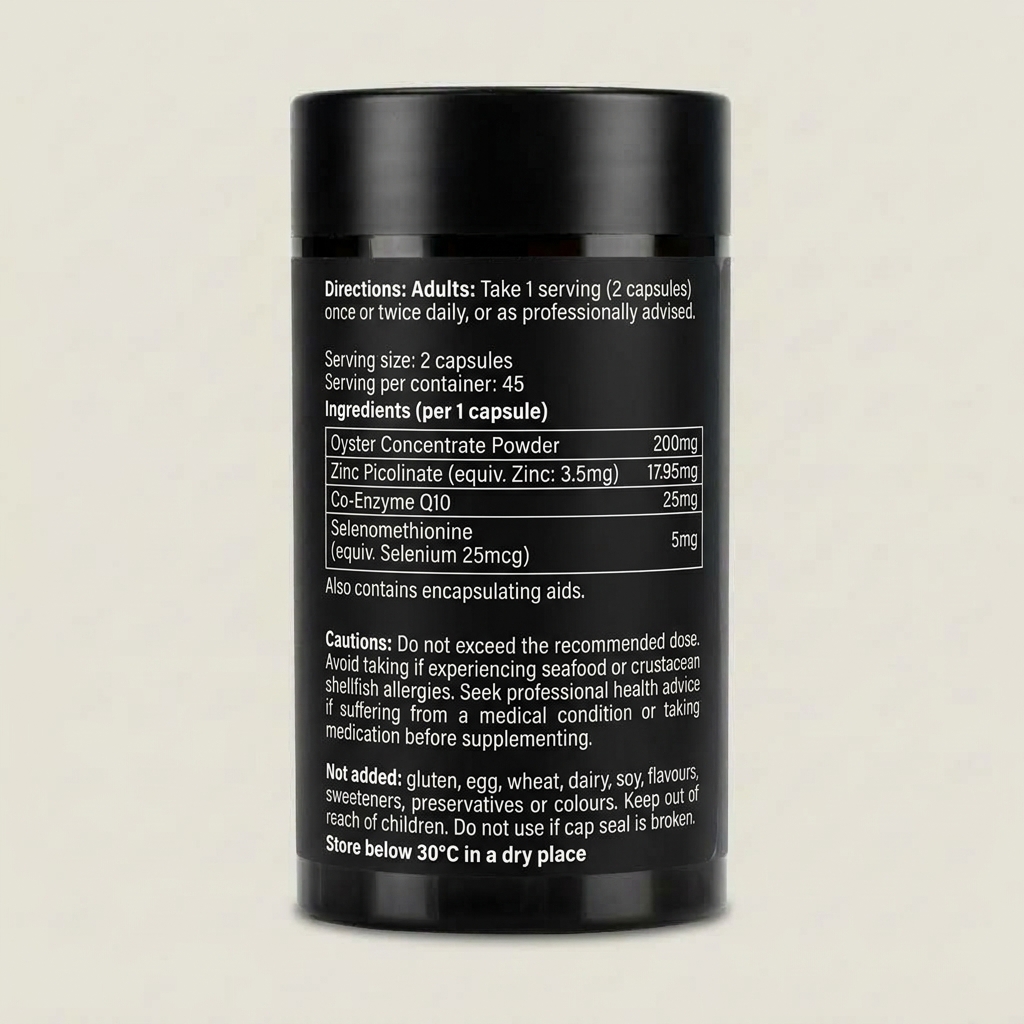
This is why many men choose supplements that combine oyster extract with highly bioavailable forms like zinc picolinate. Oyster Prime by 2WELLS, for instance, includes both oyster concentrate powder and 17.95mg of zinc picolinate, ensuring optimal zinc delivery alongside the full spectrum of nutrients found naturally in oysters.
Zinc and Reproductive Health
Beyond testosterone, zinc plays crucial roles in male reproductive function:
Sperm Quality
Zinc is highly concentrated in semen and prostatic fluid. Research shows that adequate zinc levels support:
- Healthy sperm count
- Improved sperm motility (movement)
- Better sperm morphology (shape)
- Protection against oxidative damage to sperm DNA
Prostate Health
The prostate gland contains the highest zinc concentration of any soft tissue in the body. Adequate zinc intake supports normal prostate function and may help maintain prostate health as men age.
How Much Zinc Do Men Need?
The recommended daily allowance (RDA) for zinc in adult men is 11mg. However, many experts suggest that men seeking to optimize testosterone and reproductive health may benefit from higher intakes—typically 25-45mg daily.
Important considerations:
- Upper limit – The tolerable upper intake is 40mg/day from supplements
- Balance with copper – Long-term high-dose zinc can deplete copper levels
- Timing – Take zinc with food to minimize stomach upset
- Consistency – Regular daily intake is more effective than sporadic high doses
Conclusion
The relationship between zinc and testosterone is one of the most well-established connections in men’s health research. This essential mineral isn’t just important—it’s foundational to healthy hormone production, reproductive function, and overall vitality.
For men experiencing symptoms of low testosterone or those simply wanting to optimize their health, ensuring adequate zinc intake should be a priority. Whether through zinc-rich foods like oysters, targeted supplementation, or ideally both, supporting your zinc status is one of the smartest investments you can make in your long-term well-being.
Looking for comprehensive zinc support? Oyster Prime by 2WELLS combines natural oyster concentrate with zinc picolinate for superior absorption and effectiveness. Learn more about how this premium formula can support your health goals.