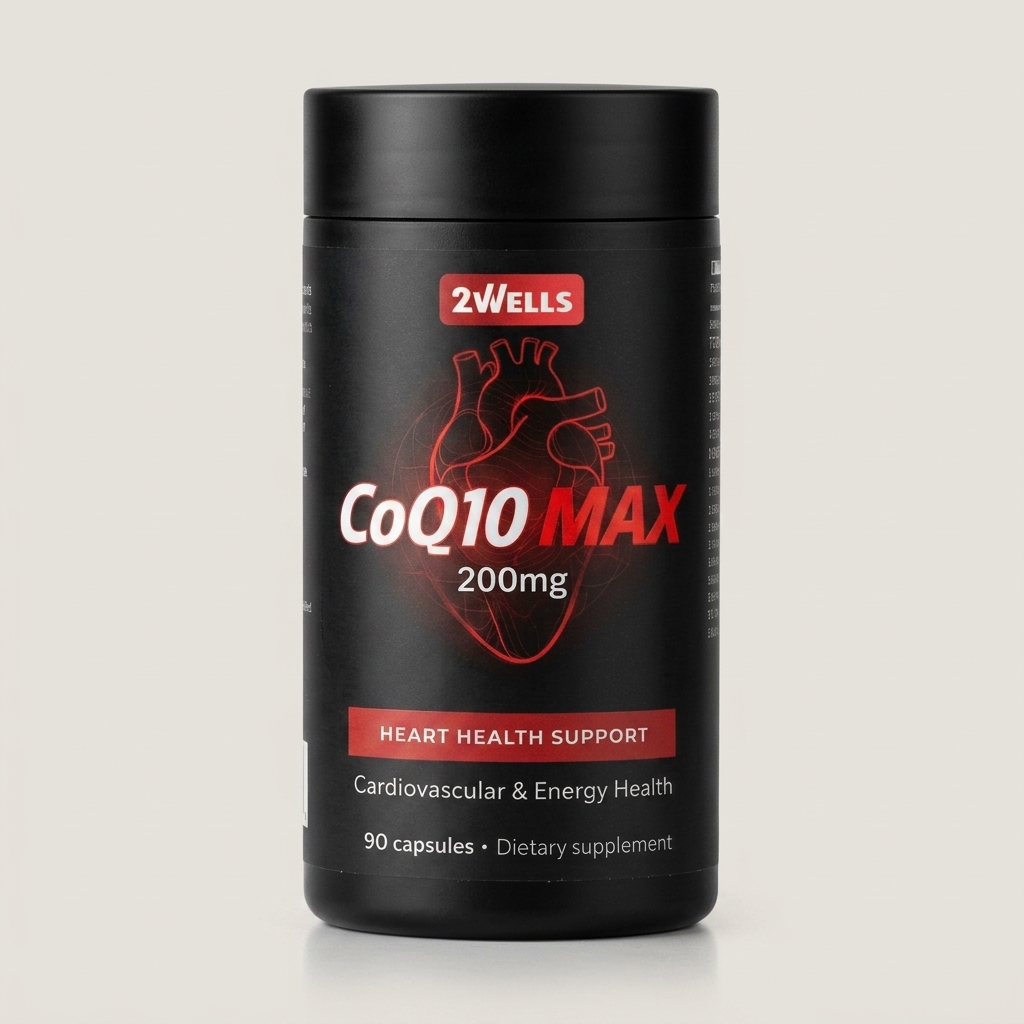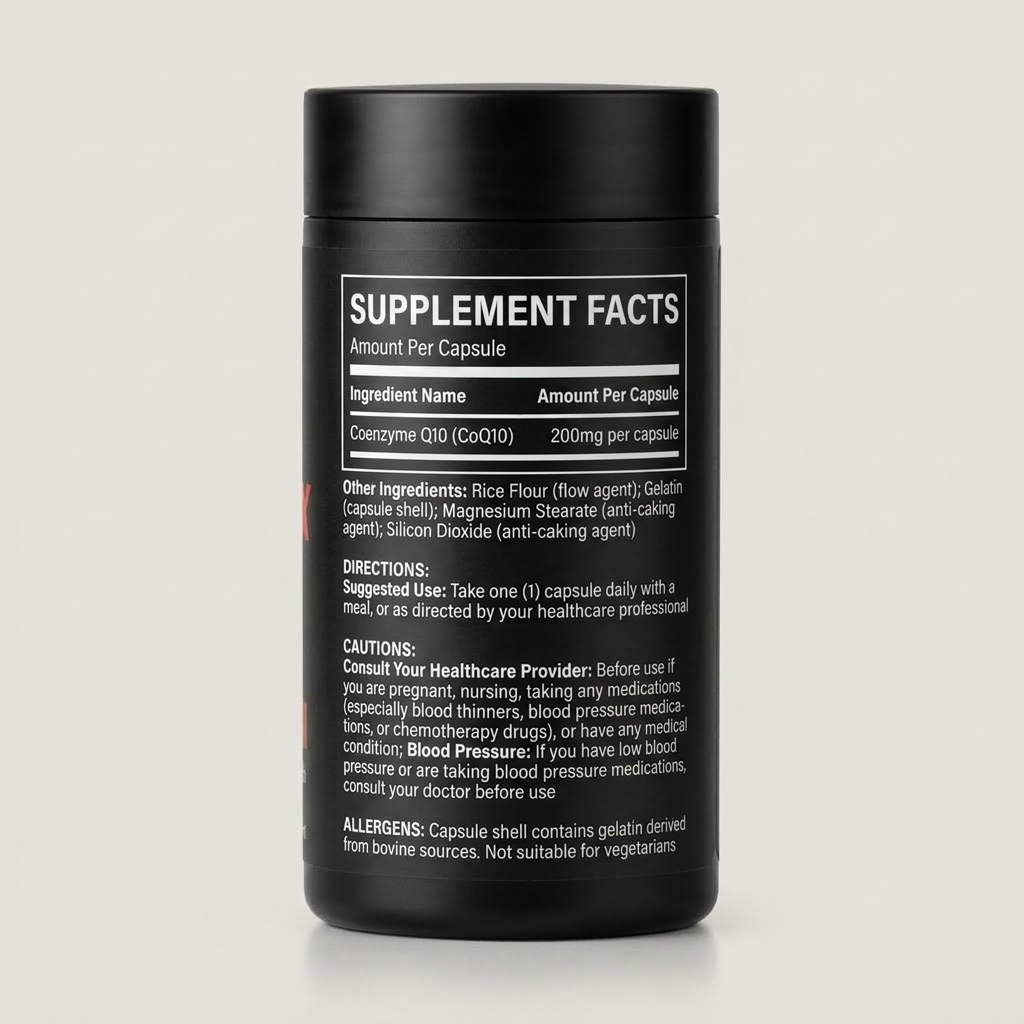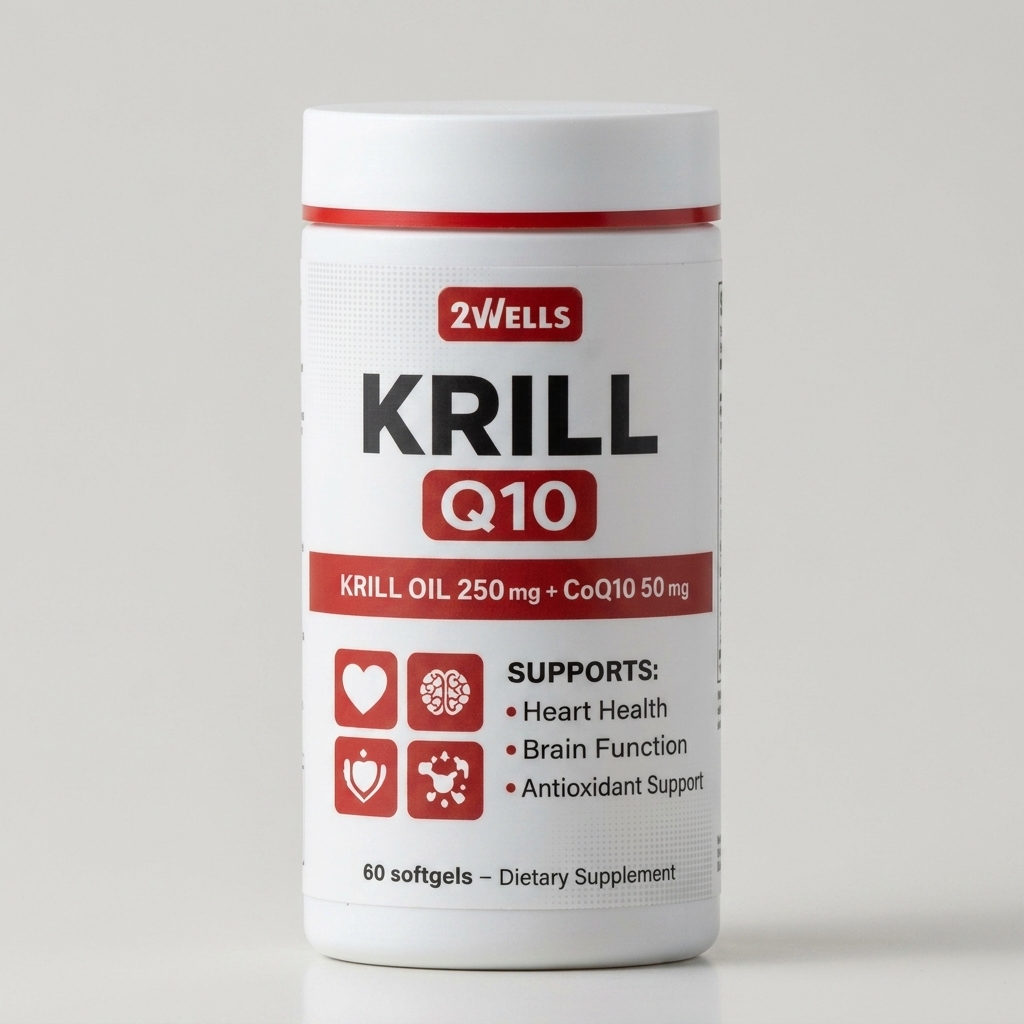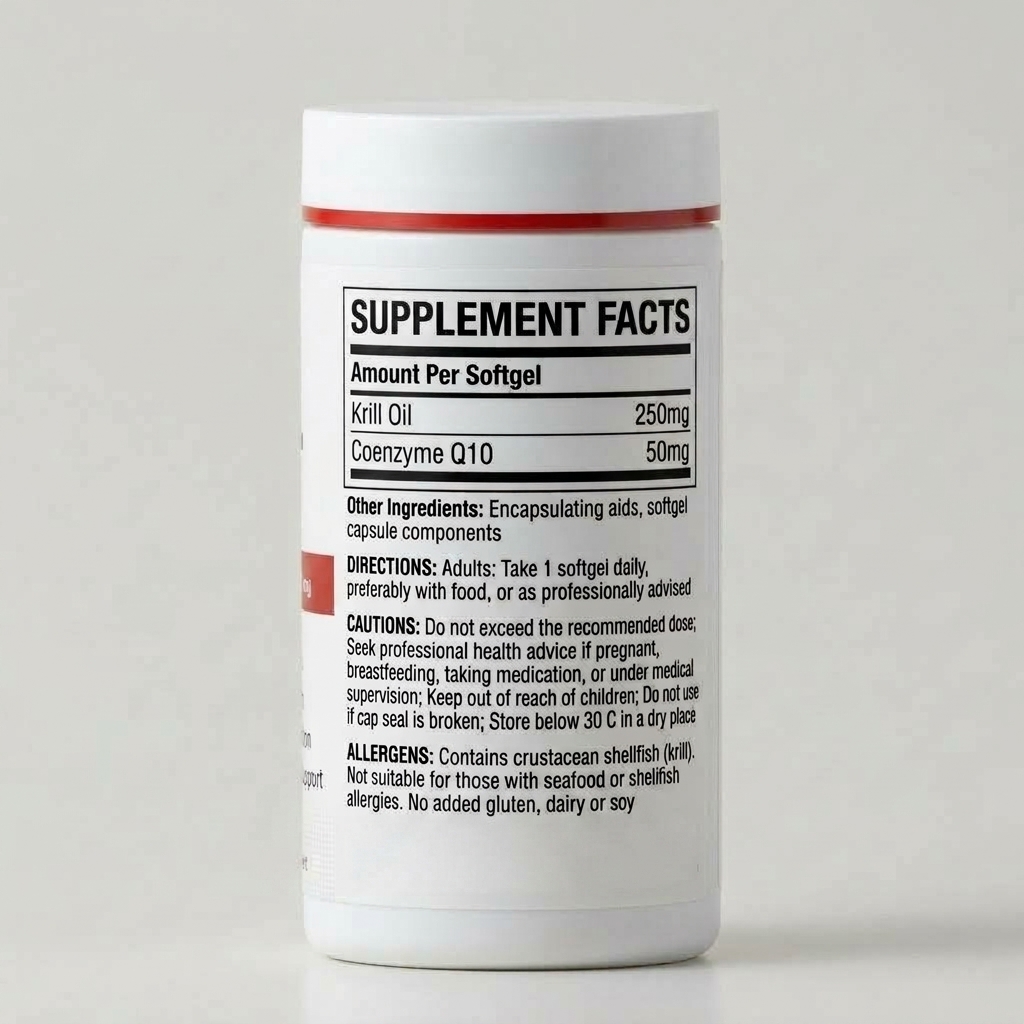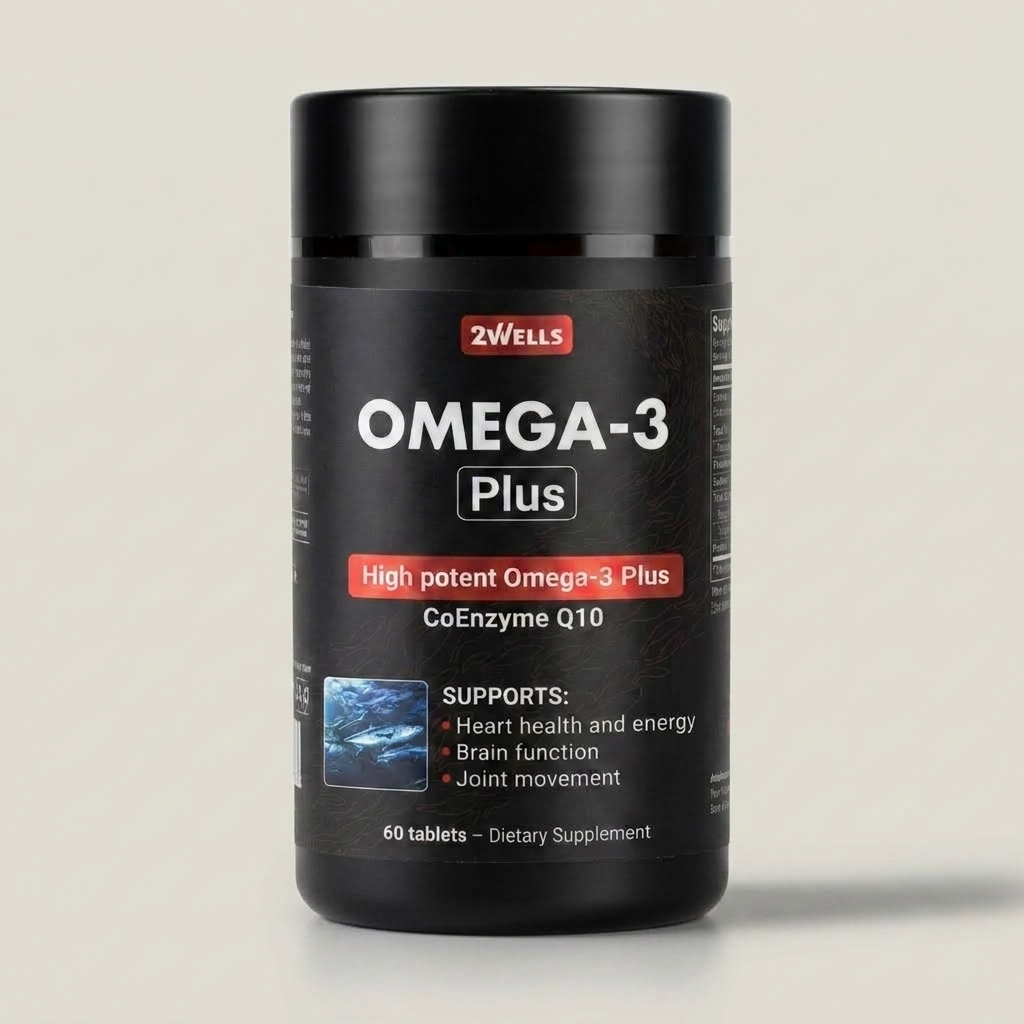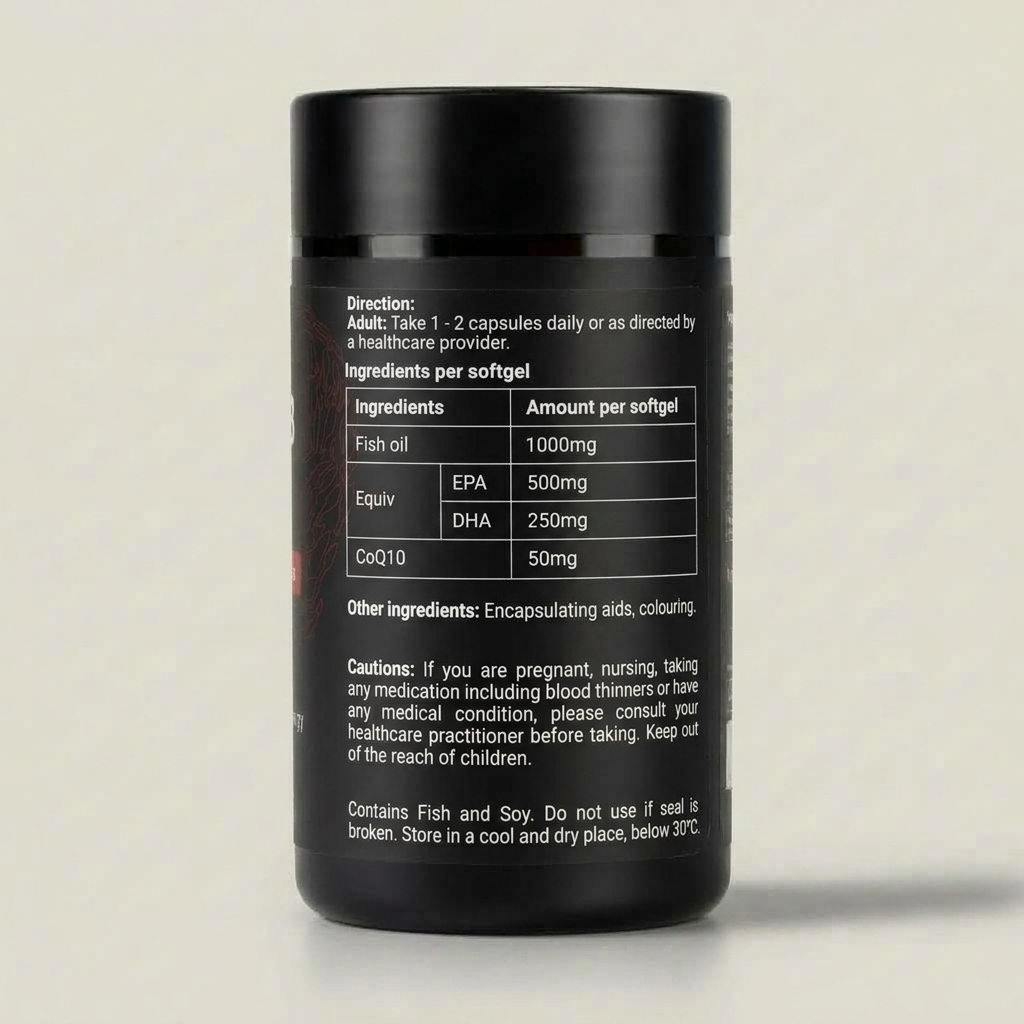
Coenzyme Q10 occupies an unusual position: it is genuinely central to how cells produce energy, and it is also sold with claims well beyond what has been demonstrated. Both things are true at once. This article covers what CoQ10 actually does, its antioxidant role, which uses have real clinical support and which do not, and how to read the claims made for it.
What CoQ10 Does in the Cell
CoQ10, also called ubiquinone, sits in the mitochondria — the structures that convert food and oxygen into usable cellular energy. StatPearls describes it as “crucial for efficiently transferring electrons within the mitochondrial oxidative respiratory chain,” the process that produces ATP, the molecule cells actually spend.
That is not a marketing description. Without CoQ10 the electron transport chain does not function, which is why it is present in essentially every cell.
The Antioxidant Role
Energy production creates reactive byproducts. CoQ10 is part of how cells manage them. StatPearls notes that supplementation can “increase the production of vital antioxidants, such as superoxide dismutase” and reduces lipid peroxidation — oxidative damage to fats, including those in cell membranes.
It also notes an effect on blood vessels: CoQ10 “improves blood vessel function by preserving nitric oxide,” the signaling molecule involved in vessel dilation.
Where the Evidence Is Strongest
This is where precision matters, because the honest picture is more interesting than the marketing one. StatPearls grades the evidence by level:
| Evidence level | Use |
|---|---|
| Level 1 (strongest) | Adjunctive treatment for moderate-to-severe heart failure |
| Levels 2–3 | Migraine prevention, fibromyalgia symptoms, statin-related muscle pain, among others |
Two things follow. First, the strongest evidence sits in specific clinical contexts under medical supervision — not general wellness. Second, StatPearls emphasizes that more long-term studies are needed for most applications, and notes CoQ10 “lacks approval from the United States Food and Drug Administration (FDA) for treating any medical condition.”
CoQ10 and Aging
The common claim is that CoQ10 declines with age and should therefore be replaced. The picture in the clinical literature is narrower: StatPearls notes that certain conditions — including heart failure, neurodegenerative diseases and fibromyalgia — are “linked to reduced circulating levels of CoQ10.”
That is an association with specific conditions, not a general statement that healthy aging depletes CoQ10 to a degree that supplementation corrects. The distinction is worth holding onto, because it is where a lot of marketing takes liberties.
Statins: The Most Discussed Interaction
Statins reduce cholesterol synthesis through a pathway that also produces CoQ10, so they can lower CoQ10 levels. StatPearls places statin-related muscle pain among the level 2–3 evidence uses. If you take statins and experience muscle symptoms, that is a conversation with your doctor rather than a reason to self-prescribe.
Frequently Asked Questions
Will CoQ10 give me more energy?
It is essential to energy production, which is not the same as increasing energy in someone whose levels are adequate. The clinical evidence sits in defined conditions rather than general fatigue.
Ubiquinone or ubiquinol?
Ubiquinol is the reduced form and is often marketed as better absorbed. The clinical evidence base, including the level 1 heart failure data, largely used ubiquinone. Claims of superiority outrun the comparative evidence.
Is it safe?
Generally well tolerated. It can interact with anticoagulants such as warfarin, so tell your doctor if you take one.
Does everyone need it as they age?
That is not what the clinical literature supports. Reduced levels are linked with particular conditions rather than established as a universal consequence of aging.
How long before any effect?
Trials generally run for weeks to months. Products implying a rapid noticeable change are not reflecting how the research is done.
Key Takeaways
- CoQ10 is crucial for transferring electrons in the mitochondrial respiratory chain, producing ATP
- It supports antioxidant defenses and helps preserve nitric oxide for blood vessel function
- Strongest (level 1) evidence is as an adjunct in moderate-to-severe heart failure
- Migraine prevention, fibromyalgia and statin-related muscle pain sit at levels 2–3
- Reduced levels are linked to specific conditions rather than to aging generally
- It has no FDA approval for treating any condition, and more long-term studies are needed
Conclusion
CoQ10 is a real and well-characterized molecule with a genuine role in cellular energy, and its evidence is strongest exactly where it is least marketed — in supervised clinical use. For general wellbeing the case is weaker than the packaging suggests. If you are considering it because of statin-related muscle symptoms or a diagnosed condition, that is a discussion worth having with your doctor, who can weigh it against your medications.
Scientific References
- Coenzyme Q10 — StatPearls, NCBI Bookshelf
https://www.ncbi.nlm.nih.gov/books/NBK531491/