You’ve probably heard that omega-3 fatty acids are good for you, but do you really understand why? These essential fats have become one of the most researched nutrients in modern science, with thousands of studies highlighting their remarkable health benefits. In this comprehensive guide, we’ll dive deep into the science behind omega-3s, specifically EPA and DHA, and explain why they should be a cornerstone of your wellness routine.
What Are Omega-3 Fatty Acids?
Omega-3 fatty acids are a type of polyunsaturated fat that your body cannot produce on its own—which is why they’re called “essential” fatty acids. You must obtain them through your diet or supplementation. The three main types of omega-3s are:
- ALA (Alpha-Linolenic Acid): Found in plant sources like flaxseed, chia seeds, and walnuts
- EPA (Eicosapentaenoic Acid): Found primarily in fatty fish and fish oil supplements
- DHA (Docosahexaenoic Acid): Also found in fatty fish and is crucial for brain structure
While ALA is beneficial, the real superstars are EPA and DHA. Your body can convert ALA to EPA and DHA, but the conversion rate is extremely low—typically less than 5%. This is why direct sources of EPA and DHA, like fish oil supplements, are so valuable.
The Power of EPA: Your Heart’s Best Friend
EPA plays a critical role in cardiovascular health. Here’s what the science tells us:
1. Reduces Triglycerides
High triglyceride levels are a significant risk factor for heart disease. Multiple clinical studies have shown that EPA can reduce triglyceride levels by 15-30% when taken in therapeutic doses. The American Heart Association recognizes omega-3 supplements as an effective way to manage elevated triglycerides.
2. Supports Healthy Inflammation Response
Chronic inflammation is at the root of many modern diseases. EPA is a precursor to anti-inflammatory compounds called resolvins and protectins, which help your body naturally manage inflammatory responses. This makes EPA particularly beneficial for joint health and overall wellness.
3. Promotes Heart Rhythm Stability
Research suggests EPA helps maintain normal heart rhythm, supporting overall cardiovascular function and reducing the risk of arrhythmias.
DHA: The Building Block of Your Brain
If EPA is the heart’s best friend, DHA is the brain’s essential partner:
1. Structural Component of Brain Tissue
DHA makes up approximately 40% of the polyunsaturated fatty acids in your brain. It’s literally a building block of brain cell membranes, affecting how neurons communicate with each other.
2. Supports Cognitive Function
Studies have linked adequate DHA intake with better memory, faster processing speed, and improved focus. This is particularly important as we age, when cognitive decline becomes a concern.
3. Essential for Eye Health
DHA is also a major structural component of the retina. Research connects DHA intake with maintaining healthy vision and reducing the risk of age-related eye conditions.
4. Mood and Mental Wellness
Emerging research suggests that DHA plays a role in mood regulation. People with higher omega-3 levels tend to report better emotional well-being.
How Much Do You Need?
Most health organizations recommend at least 250-500mg combined EPA and DHA daily for general health maintenance. However, for specific health goals like cardiovascular support, higher amounts (1,000-2,000mg) may be beneficial.
A high-quality fish oil supplement providing 500mg EPA and 250mg DHA per softgel can easily help you meet these recommendations with just 1-2 capsules daily.
Why Supplementation Makes Sense
While fatty fish like salmon, mackerel, and sardines are excellent omega-3 sources, most people don’t consume the recommended 2-3 servings per week. Additionally:
- Fish can contain environmental contaminants like mercury
- Quality varies based on fish source and freshness
- Dietary preferences or allergies may limit fish consumption
A purified fish oil supplement offers a convenient, consistent, and contaminant-free way to ensure adequate omega-3 intake.
The Bottom Line
EPA and DHA aren’t just buzzwords—they’re scientifically validated nutrients essential for heart health, brain function, eye health, and overall wellness. Whether you’re looking to support your cardiovascular system, maintain cognitive sharpness, or simply invest in long-term health, omega-3 supplementation is one of the smartest choices you can make.
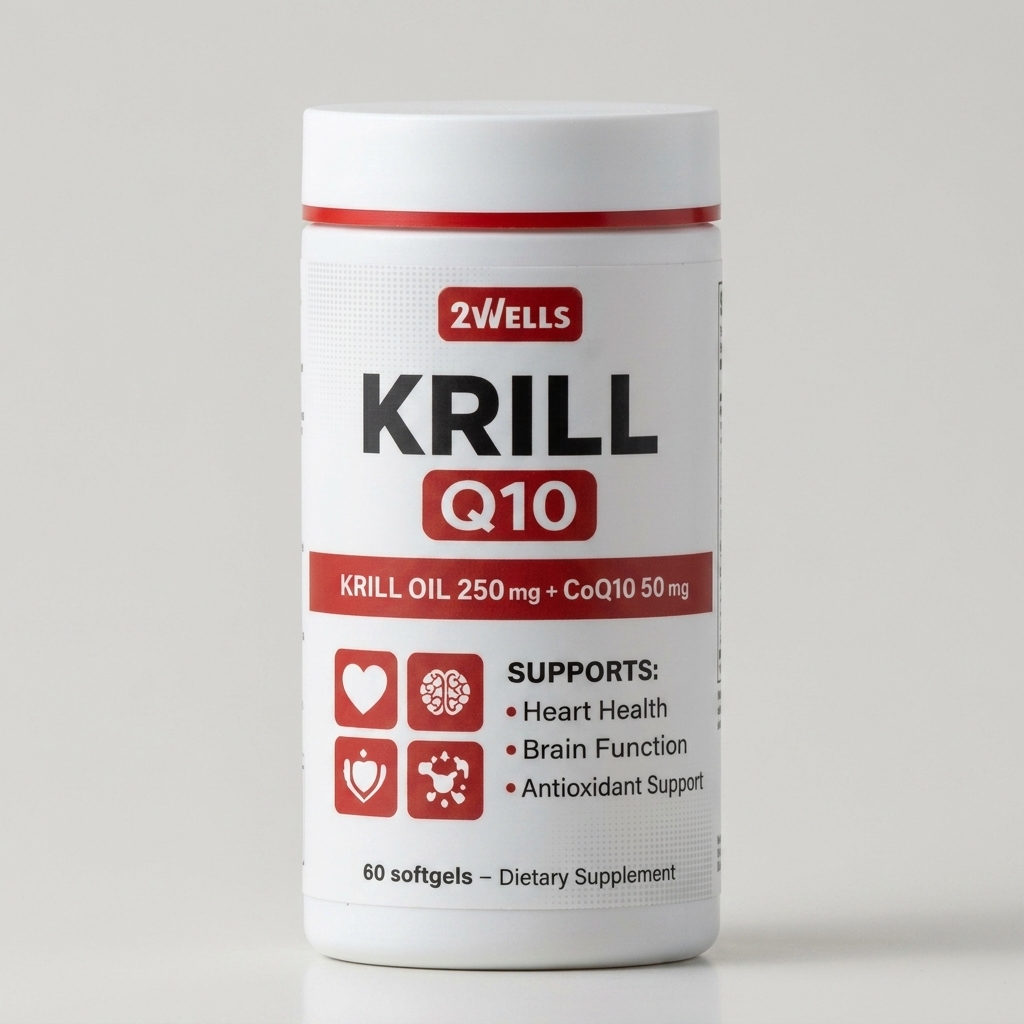
Pro Tip: For enhanced benefits, look for omega-3 supplements that also include CoQ10, which synergistically supports heart health and cellular energy production.
Remember: Consistency is key. The benefits of omega-3s build up over time as they incorporate into your cell membranes. Commit to daily supplementation for at least 8-12 weeks to experience optimal results.