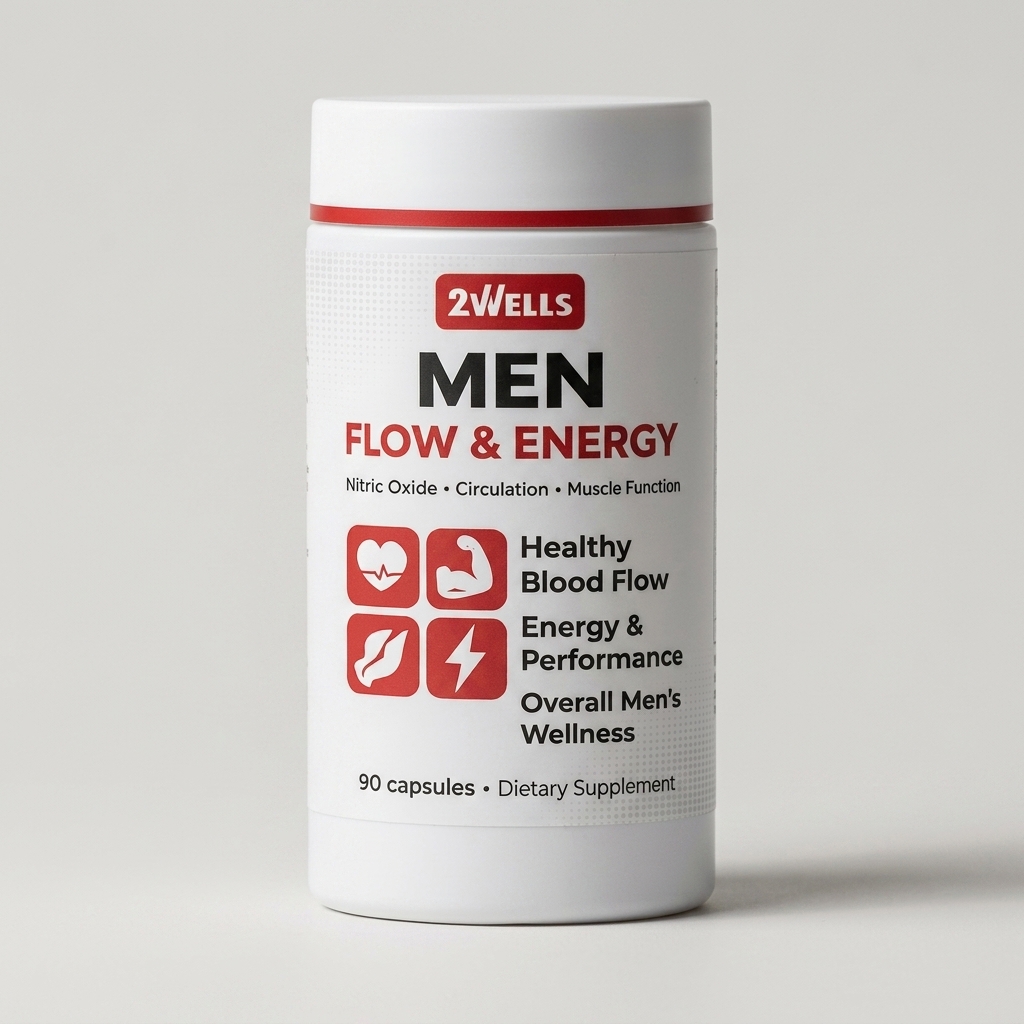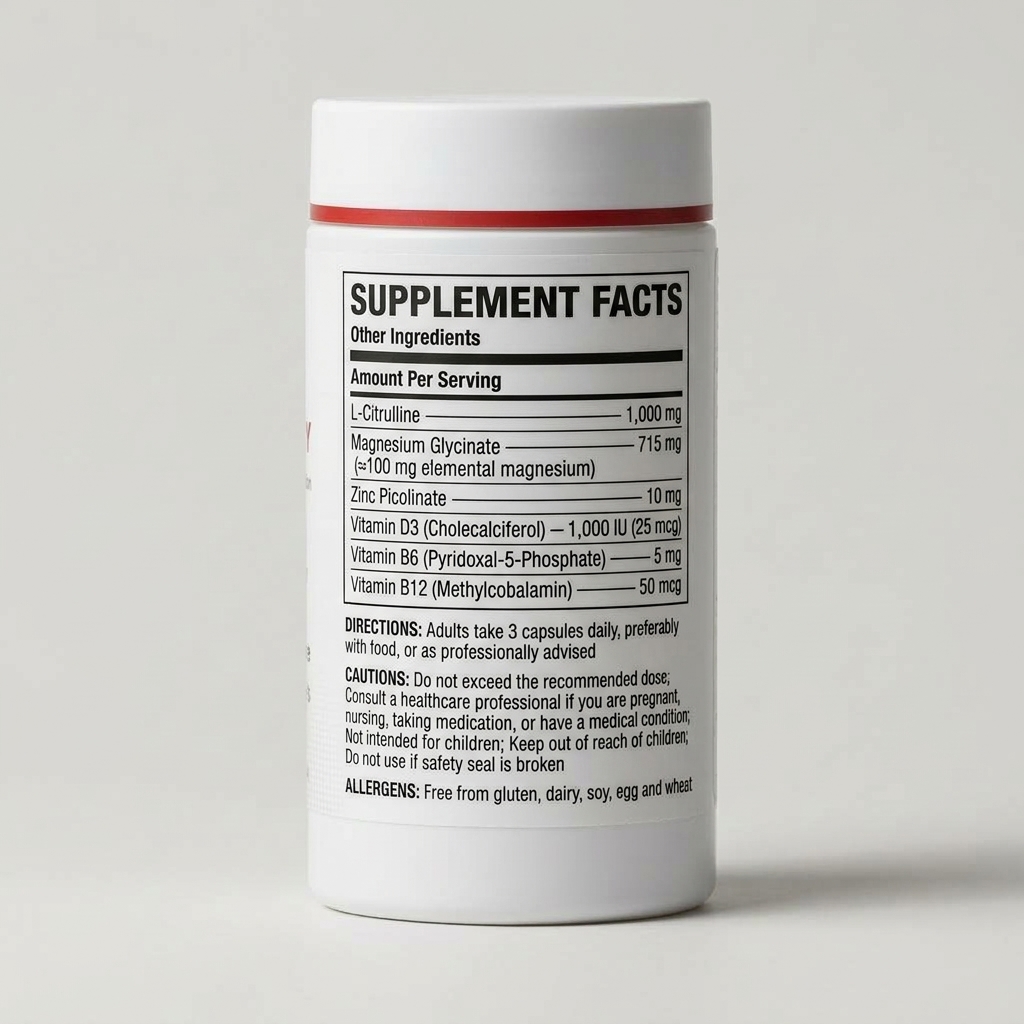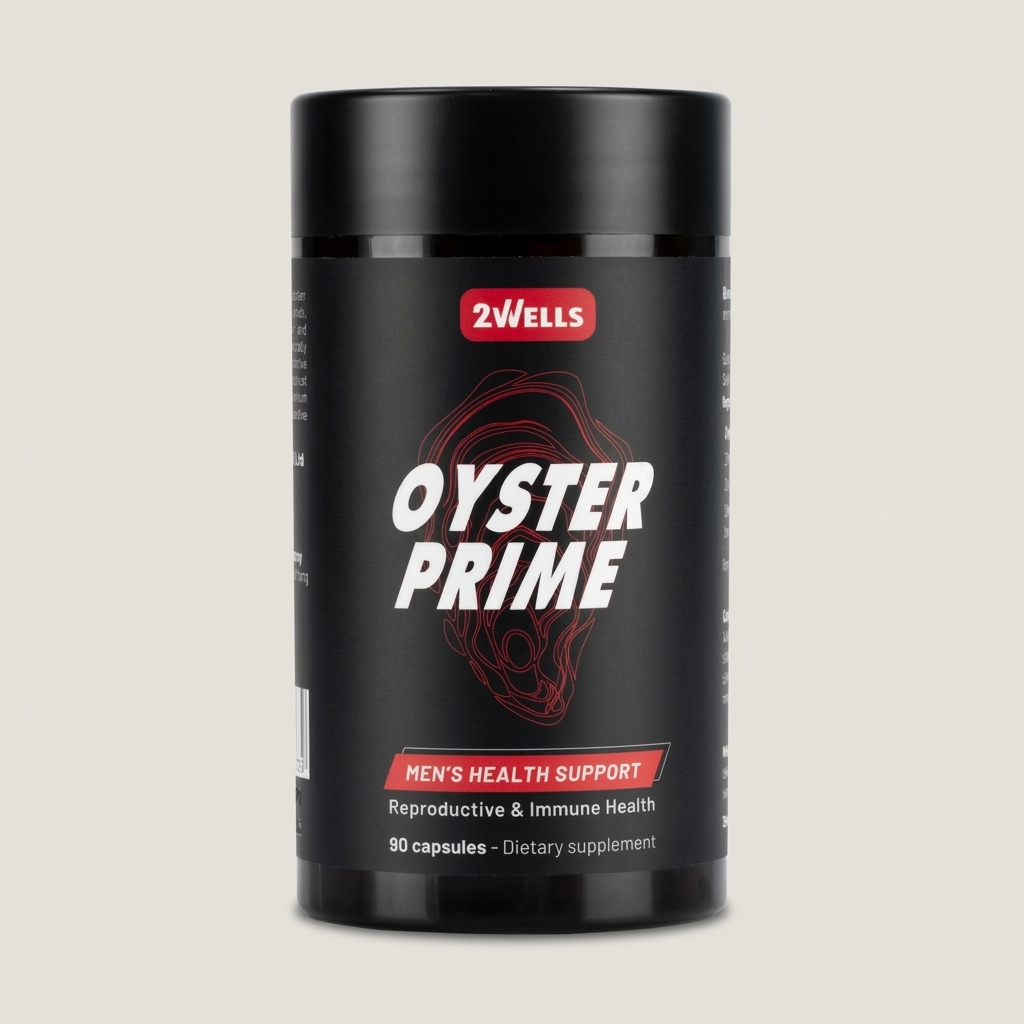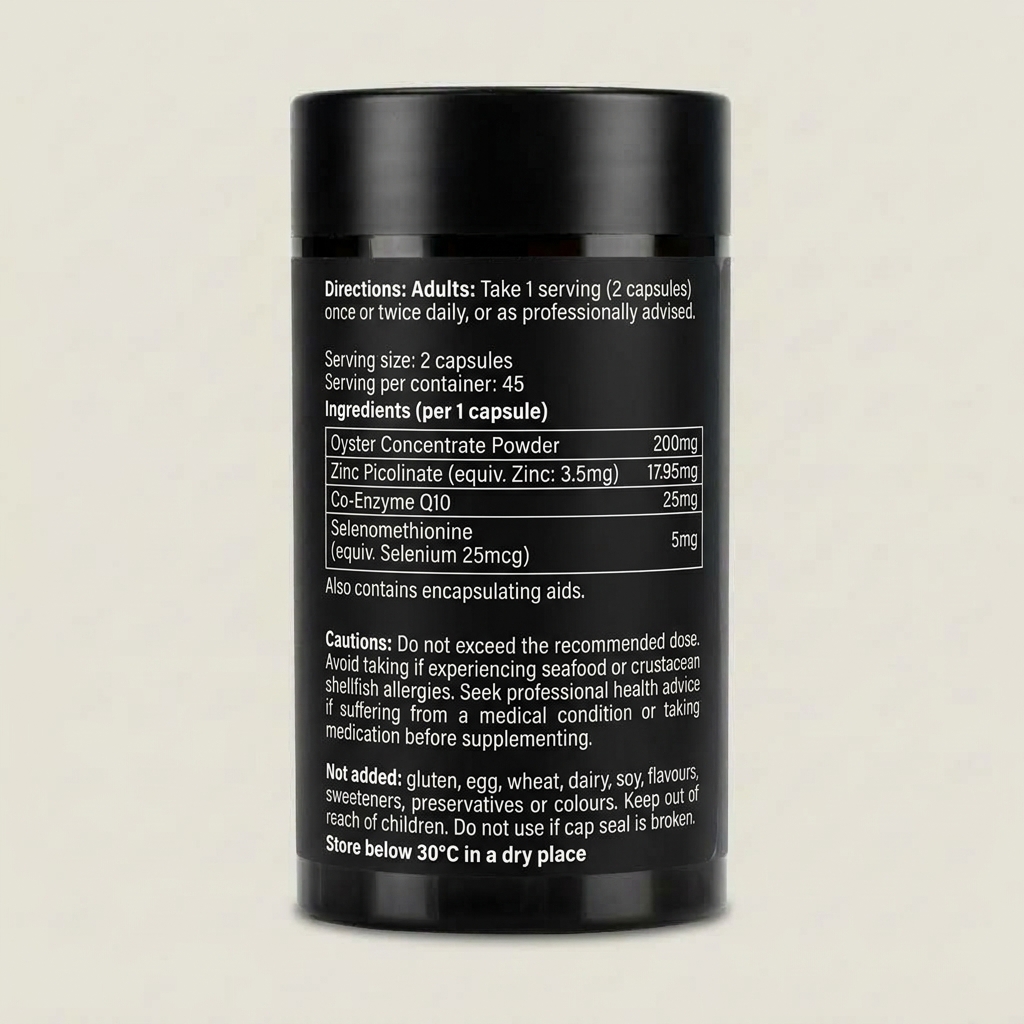
L-citrulline is one of the few sports supplements with a mechanism that can be described precisely rather than gestured at. Whether that mechanism translates into results you would notice is a separate question, and the answer depends substantially on who you are. This article covers the biochemistry, why citrulline is used in place of arginine, what the research shows, and the caveats the literature itself raises.
Start With Nitric Oxide
Nitric oxide is a signaling molecule that widens blood vessels. StatPearls describes it as “produced by converting L-arginine into NO via NO synthases (NOS),” and explains that endothelial NOS produces nitric oxide which “acts explicitly as an endogenous vasodilator that diffuses into vascular cells and mediates smooth muscle relaxation by binding to guanylyl cyclase.”
The cascade that follows converts GTP to cGMP, activating protein kinases that cause calcium sequestration and allow smooth muscle to relax. Relaxed vessel walls mean wider vessels, and wider vessels mean more blood flow at a given pressure.
Why Citrulline Rather Than Arginine
If arginine is the direct precursor, the obvious approach would be to supplement arginine. In practice citrulline is usually preferred, and there is a specific reason.
A 2022 review in the Journal of Preventive Medicine and Hygiene explains that L-citrulline is “a L-arginine precursor that is converted into NO,” and that the advantage is metabolic: citrulline “bypasses hepatic metabolism and is not catalyzed by arginase enzymes.”
Arginine taken by mouth is substantially broken down before it reaches the circulation. Citrulline is not, and the review notes that roughly “80% is catabolized to L-arginine by proximal tubule cells” in the kidneys. The indirect route delivers more arginine than supplementing arginine directly.
What the Research Shows — and the Caveats
This is where the same review is refreshingly blunt, and it is worth quoting rather than paraphrasing. It notes that benefits appear mostly “in moderately trained individuals,” with well-trained athletes showing minimal gains, and that effects are “mostly apparent in untrained or moderately trained individuals.”
More pointedly, on the wider claims made for nitric oxide supplements, it states that “most of these benefits lack scientific support and are generally not based on research,” and that many studies rely on animal models rather than human trials.
The review also recommends that nitric oxide supplements be taken “only under medical supervision,” because of potential interactions with medications and health conditions.
Reading That Fairly
The mechanism is real and well characterized. The delivery advantage over arginine is genuine. What the evidence does not support is the idea that citrulline produces large, reliable effects for everyone — and the group least likely to notice is the trained population these products are most often marketed to.
Frequently Asked Questions
Is citrulline better than arginine?
For raising arginine levels, the pharmacokinetics favor it, because it avoids first-pass liver metabolism and arginase breakdown. That is a real advantage in delivery, not a guarantee of outcome.
Citrulline or citrulline malate?
Citrulline malate combines citrulline with malic acid, so a stated dose may include both. Check whether the label gives the citrulline content or the combined total, since they differ substantially.
Who is most likely to notice an effect?
Per the review, untrained or moderately trained people. Well-trained athletes showed minimal gains — the opposite of what the marketing implies.
Are there interactions?
Yes. Because the mechanism affects blood vessel dilation, it can interact with blood pressure medication and nitrates. The review recommends medical supervision for exactly this reason.
Can I get it from food?
Watermelon is the best-known dietary source, though supplement doses used in studies are considerably higher than typical dietary intake.
Key Takeaways
- Nitric oxide is produced from L-arginine and relaxes vascular smooth muscle, widening vessels
- L-citrulline is an arginine precursor that bypasses hepatic metabolism and arginase
- About 80% of citrulline is converted to arginine in the kidneys
- Benefits are most apparent in untrained or moderately trained people
- The review notes most claimed benefits for NO supplements lack scientific support
- Medical supervision is advised because of interactions with medications
Conclusion
L-citrulline is better understood than most supplements in its category, and more modest in effect than most are sold as. If you are moderately trained and curious, the mechanism is sound and the safety profile is reasonable. If you take blood pressure medication or nitrates, speak to your doctor first — that is not boilerplate here, it follows directly from how the molecule works.
Scientific References
- Nitric Oxide — StatPearls, NCBI Bookshelf
https://www.ncbi.nlm.nih.gov/books/NBK554485/ - Dietary supplements for improving nitric-oxide synthesis — Journal of Preventive Medicine and Hygiene, 2022;63(2 Suppl 3):E239–E245
https://pmc.ncbi.nlm.nih.gov/articles/PMC9710401/