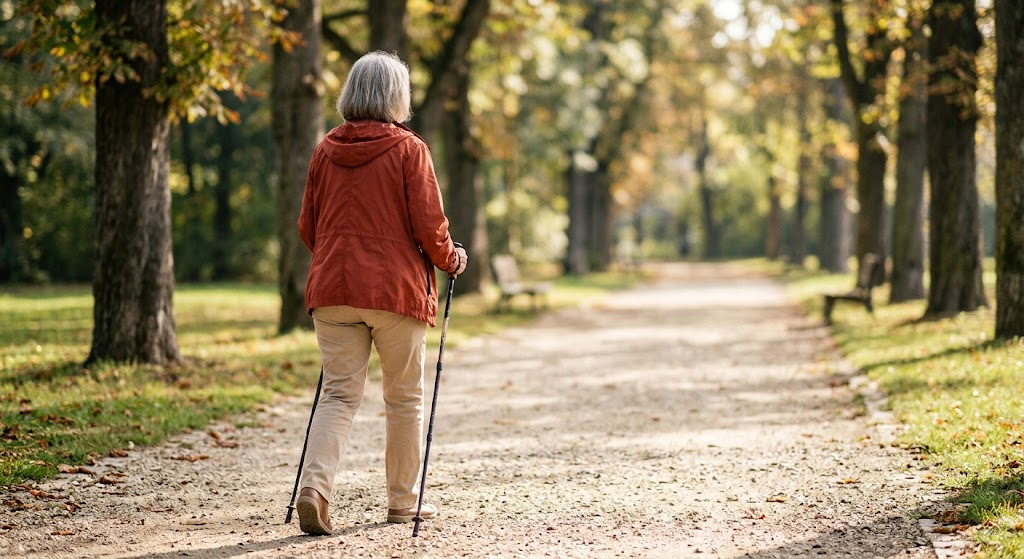
urning 50 is a milestone that brings wisdom, experience, and unfortunately, increased concerns about bone health. After age 50, both men and women experience accelerated bone loss, increasing the risk of osteoporosis and fractures. But here’s the empowering truth: it’s never too late to strengthen your bones and protect your mobility.
This comprehensive guide covers everything you need to know about building stronger bones after 50 – from nutrition and exercise to supplements and lifestyle changes that can make a real difference.
Understanding Age-Related Bone Loss
Bone is living tissue that constantly remodels itself through a process of breakdown (resorption) and rebuilding (formation). After age 50, this balance shifts:
What Happens to Bones as We Age:
- Bone breakdown exceeds formation – net loss occurs
- Bone density decreases by 1-2% per year
- Bone structure weakens – increased porosity
- Fracture risk increases significantly
- Recovery from fractures takes longer
Key Statistics:
- One in three women and one in five men over 50 will experience an osteoporotic fracture
- Hip fractures can reduce life expectancy by up to 25%
- Spine fractures can lead to chronic pain and height loss
Risk Factors for Bone Loss After 50
Understanding your risk factors helps you take targeted action:
Non-Modifiable Risks:
- Age – risk increases with each decade
- Gender – women at higher risk, especially post-menopause
- Family history – genetics play a significant role
- Body frame – smaller frames have less bone mass
- Ethnicity – Caucasian and Asian populations at higher risk
Modifiable Risks:
- Low calcium and Vitamin D intake
- Sedentary lifestyle
- Smoking
- Excessive alcohol consumption
- Low body weight
- Certain medications (steroids, some cancer treatments)
Nutrition for Stronger Bones After 50
Diet plays a crucial role in bone health at any age, but becomes even more important after 50.
Essential Nutrients for Bone Health:
Calcium – The primary bone mineral
- Daily need: 1200mg for adults over 50
- Food sources: Dairy, fortified plant milks, leafy greens, sardines
- Supplement tip: Choose Calcium Citrate for better absorption
Vitamin D3 – The absorption enhancer
- Daily need: 800-1000 IU (some experts recommend more)
- Sources: Sunlight, fatty fish, fortified foods, supplements
- Note: Deficiency is extremely common in adults over 50
Vitamin K2 – The calcium director
- Daily need: 90-120mcg
- Sources: Fermented foods (natto), supplements
- Benefit: Ensures calcium goes to bones, not arteries
Protein – Building block for bone matrix
- Daily need: 1-1.2g per kg of body weight
- Sources: Lean meats, fish, legumes, dairy
Magnesium – Supports bone structure
- Daily need: 320-420mg
- Sources: Nuts, seeds, whole grains, leafy greens
Exercise: The Natural Bone Builder
Physical activity is one of the most powerful tools for maintaining and even building bone density after 50.
Best Exercises for Bone Health:
Weight-Bearing Aerobic Activities:
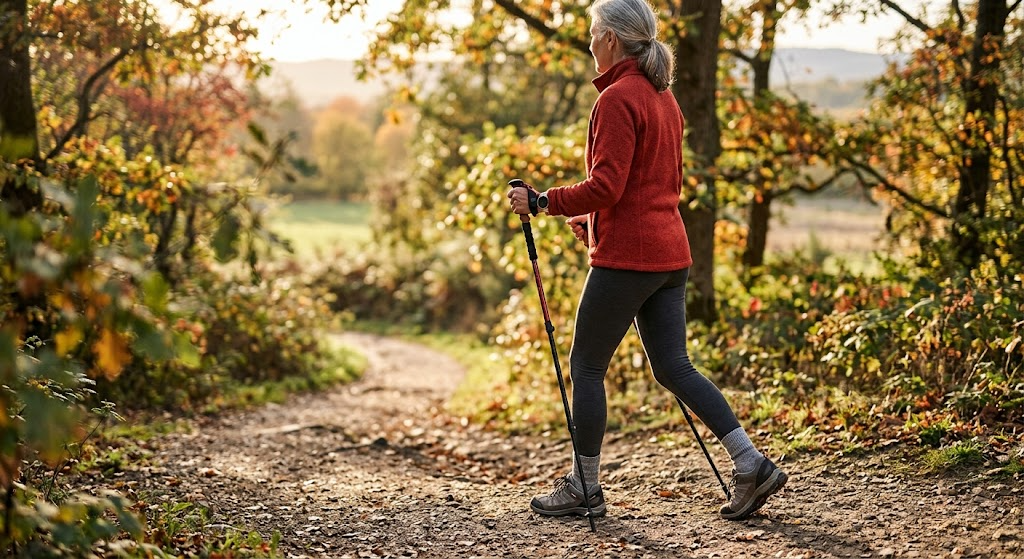
- Brisk walking (30+ minutes daily)
- Hiking on varied terrain
- Dancing
- Stair climbing
- Low-impact aerobics
Resistance Training:
- Free weights or machines
- Resistance bands
- Body weight exercises (squats, lunges)
- Aim for 2-3 sessions per week
Balance and Flexibility:
- Tai Chi (proven to reduce fall risk)
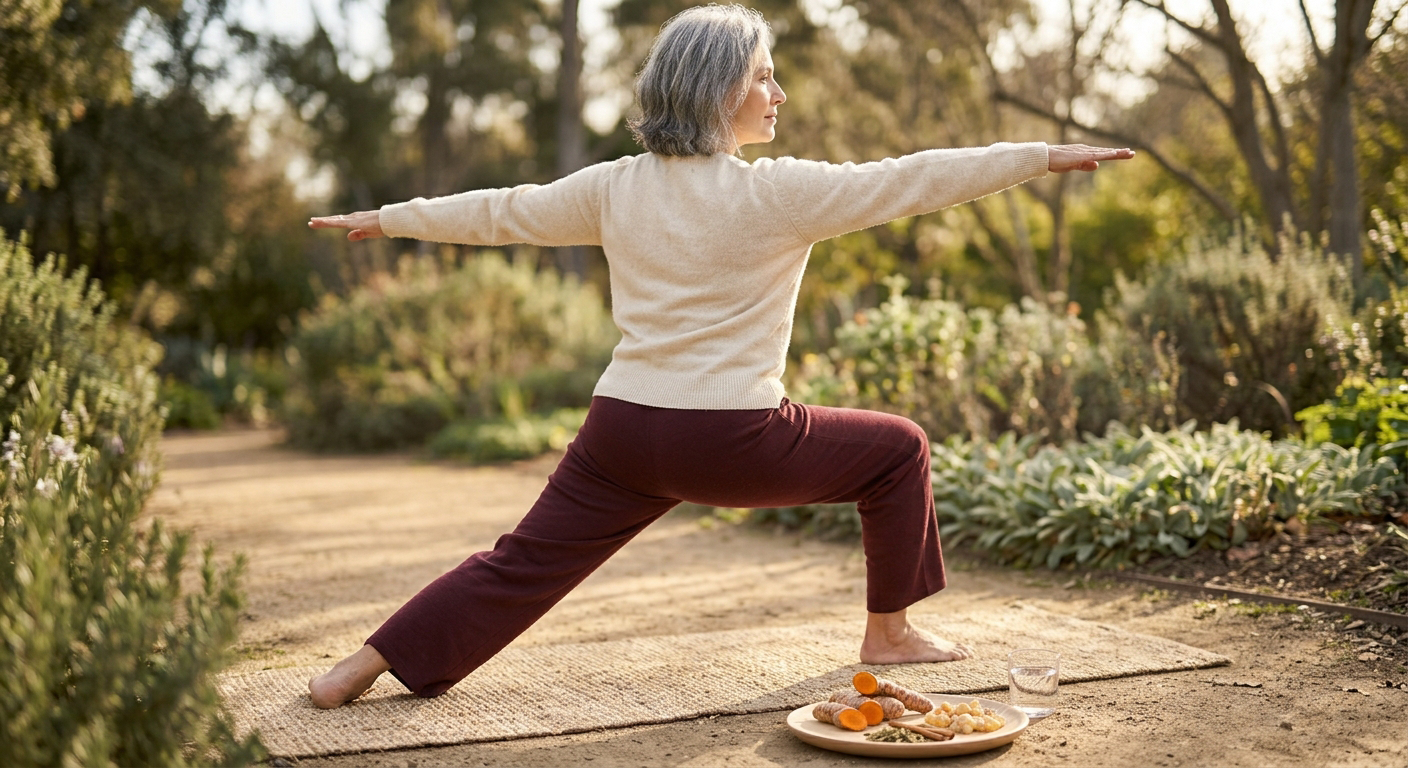
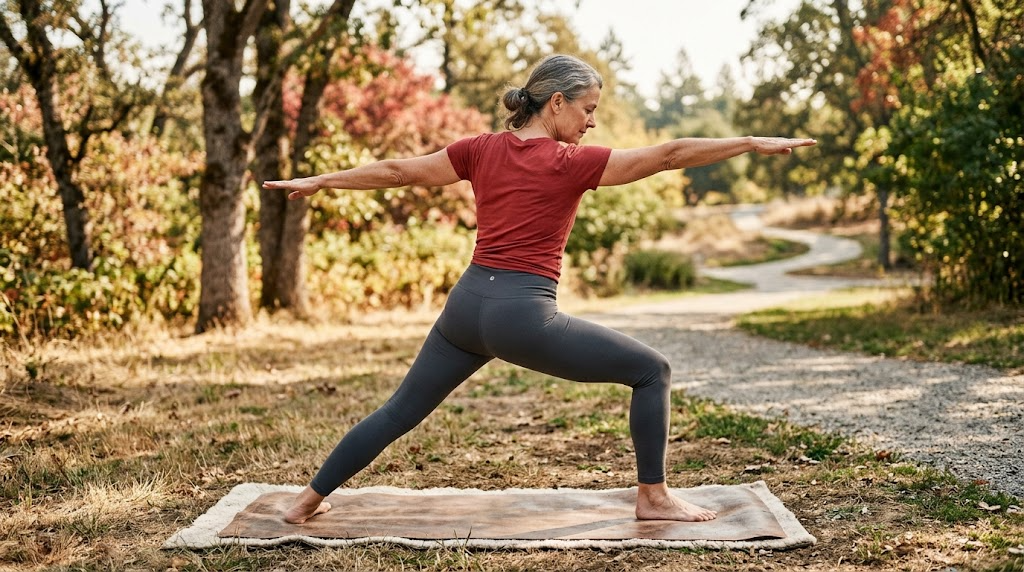
- Yoga (improves balance and bone density)
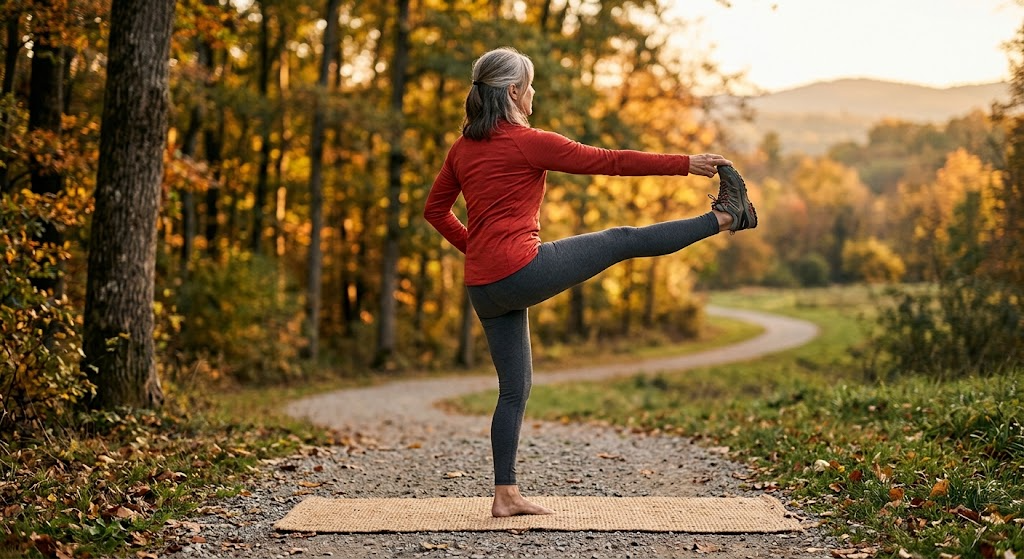
- Balance exercises (single-leg stands)
Exercise Guidelines for Adults 50+:
- Start slowly if you’re new to exercise
- Consult your doctor before beginning a new program
- Focus on consistency over intensity
- Include variety – combine cardio, strength, and balance work
- Listen to your body – some discomfort is normal, pain is not
Supplements for Bone Health After 50
While food should be your primary nutrient source, supplements can fill important gaps – especially for nutrients that are difficult to obtain in adequate amounts from diet alone.
Key Supplements to Consider:
Calcium + D3 + K2 Combination
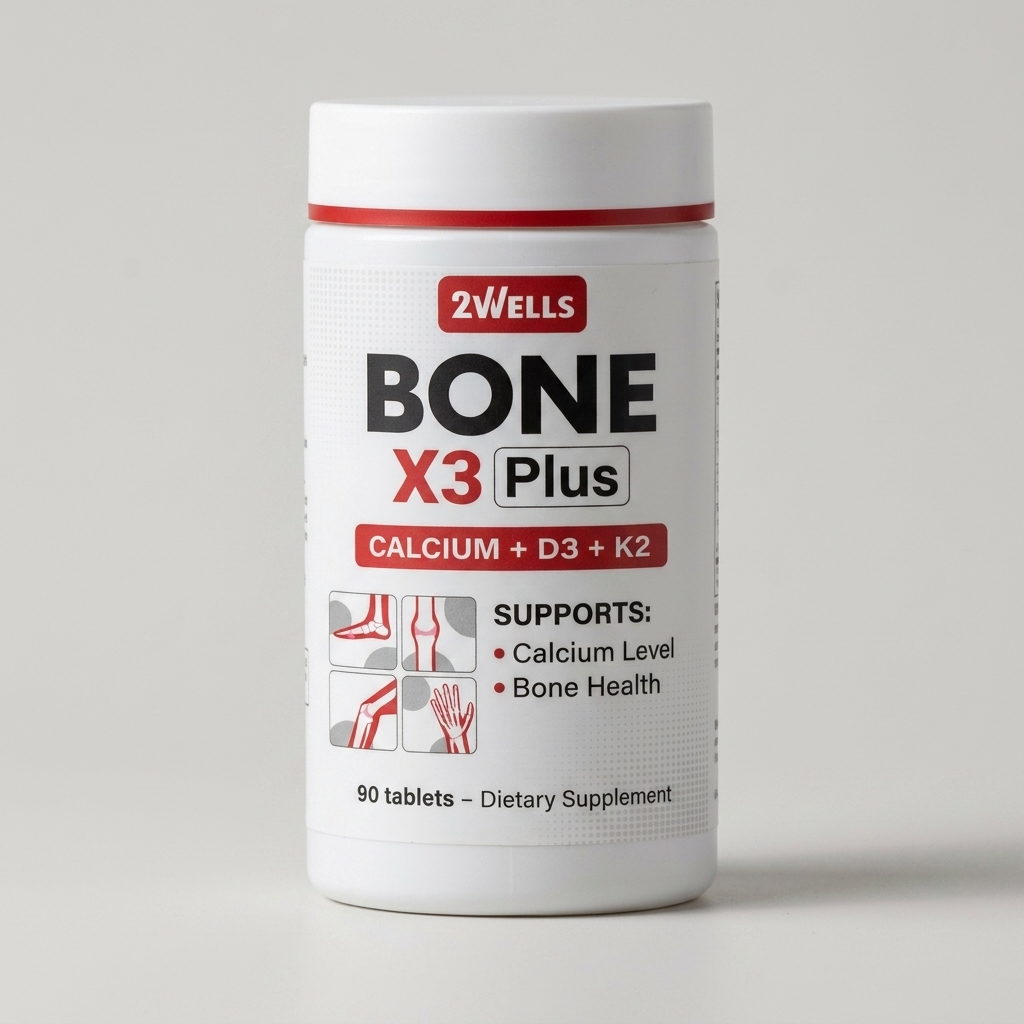
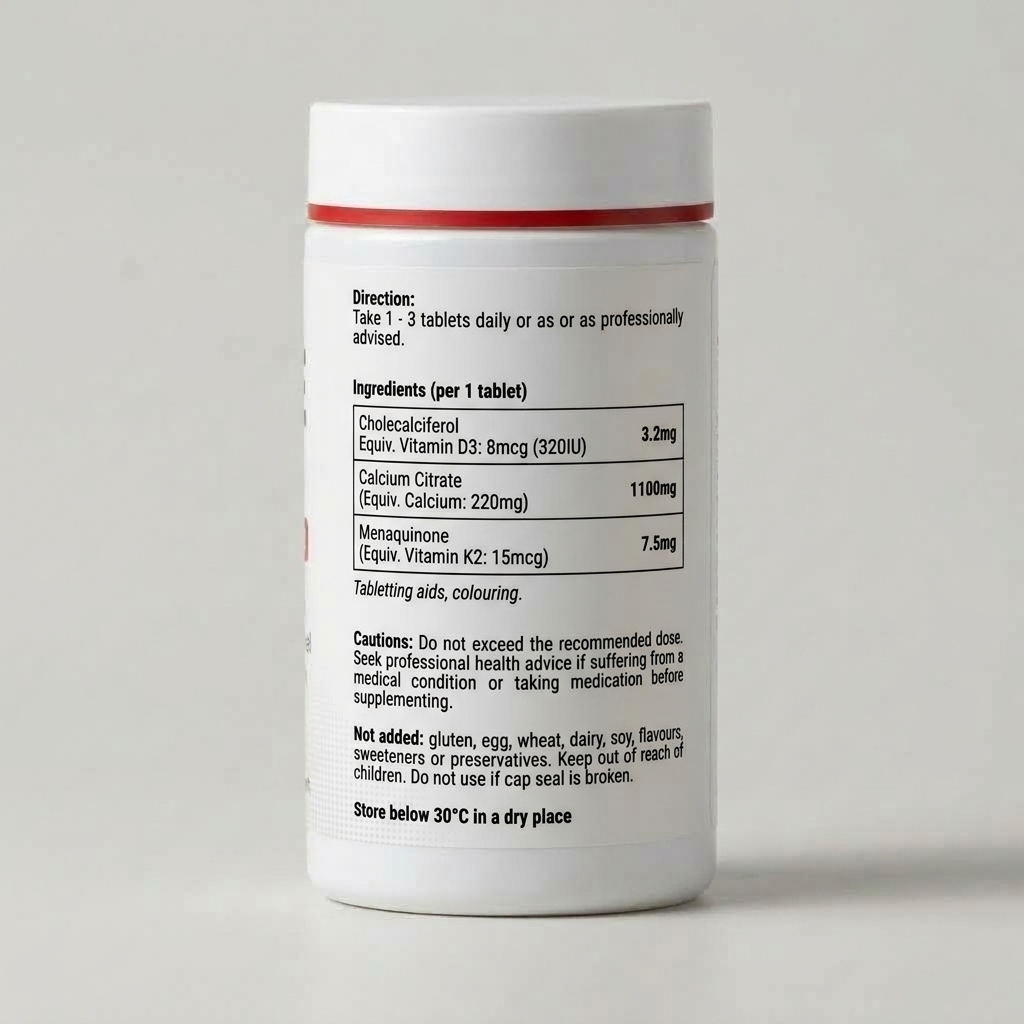
The most effective approach combines all three nutrients. Bone X3 Plus provides this optimal combination with:
- Calcium Citrate (220mg per tablet) – highly absorbable form
- Vitamin D3 (320 IU) – enhances calcium absorption
- Vitamin K2 (15mcg) – directs calcium to bones
Why Calcium Citrate?
After 50, stomach acid production decreases, making Calcium Citrate the preferred form because it doesn’t require acid for absorption.
Supplement Tips for Adults 50+:
- Split calcium doses – take no more than 500mg at a time
- Take D3 with fat – it’s fat-soluble and absorbs better
- Be consistent – bone health requires long-term commitment
- Don’t exceed recommended doses – more isn’t always better
Lifestyle Factors That Affect Bone Health
Beyond nutrition and exercise, several lifestyle factors impact your bones:
Positive Habits:
- Maintain healthy weight – both underweight and obesity affect bones
- Get adequate sleep – bone remodeling occurs during rest
- Manage stress – chronic stress increases cortisol, which can weaken bones
- Stay socially active – encourages physical activity and mental health
Habits to Avoid:
✗ Smoking – directly toxic to bone cells
✗ Excessive alcohol – more than 2 drinks daily increases fracture risk
✗ Too much caffeine – can interfere with calcium absorption
✗ Excessive sodium – increases calcium excretion
✗ Sedentary behavior – “use it or lose it” applies to bones
Bone Density Testing: Know Your Numbers
DEXA scans (Dual-Energy X-ray Absorptiometry) measure bone density and help assess fracture risk.
When to Get Tested:
- All women at age 65
- All men at age 70
- Earlier if you have risk factors
- Follow-up scans every 1-2 years if needed
Understanding Your Results:
- T-score above -1: Normal bone density
- T-score -1 to -2.5: Osteopenia (low bone mass)
- T-score below -2.5: Osteoporosis
Creating Your Bone Health Action Plan
Here’s a practical framework for building stronger bones after 50:
Daily Actions:
- Take your bone health supplement (like Bone X3 Plus)
- Eat calcium-rich foods at each meal
- Get 15-20 minutes of sunlight (when possible)
- Do some form of physical activity
Weekly Actions:
- Complete 2-3 strength training sessions
- Include balance exercises
- Review your diet for nutrient gaps
Annual Actions:
- Discuss bone health with your doctor
- Get DEXA scan if recommended
- Review and adjust your supplement regimen
Conclusion
Building stronger bones after 50 is absolutely achievable with the right approach. By combining proper nutrition, regular exercise, smart supplementation, and healthy lifestyle choices, you can maintain bone density, reduce fracture risk, and enjoy an active, independent life for decades to come.
Remember: your bones respond to how you treat them. Every calcium-rich meal, every weight-bearing exercise, every tablet of Bone X3 Plus is an investment in your future mobility and quality of life.
It’s never too late to build stronger bones. Start today.