If you’ve ever stood in the supplement aisle trying to choose a calcium supplement, you’ve likely noticed there are different forms available. The two most common are Calcium Citrate and Calcium Carbonate. While both provide calcium, they’re not created equal – and choosing the right one can significantly impact how much benefit you actually receive.
In this guide, we’ll break down the differences between these two popular calcium forms, helping you make an informed decision for your bone health needs.
Understanding Calcium Supplements: The Basics
Before diving into comparisons, let’s understand what we’re looking at:
Elemental Calcium is the actual amount of calcium your body can use. Different calcium compounds contain different percentages:
| Calcium Form | Elemental Calcium Content |
|---|---|
| Calcium Carbonate | 40% |
| Calcium Citrate | 21% |
| Calcium Gluconate | 9% |
| Calcium Lactate | 13% |
At first glance, calcium carbonate seems superior with its higher elemental calcium content. But there’s much more to the story.
Calcium Carbonate: The Traditional Choice
Calcium Carbonate is the most common and least expensive form of calcium supplement. It’s derived from limestone, oyster shells, or coral.
Pros of Calcium Carbonate:
- Higher elemental calcium per tablet (40%)
- Less expensive than other forms
- Smaller tablets needed for same calcium dose
- Widely available in most stores
Cons of Calcium Carbonate:
- Requires stomach acid for absorption – must be taken with food
- Can cause digestive issues (gas, bloating, constipation)
- Lower absorption in people with reduced stomach acid
- Not ideal for older adults who often have lower stomach acid production
Calcium Citrate: The Superior Absorber
Calcium Citrate is calcium bound to citric acid. While it contains less elemental calcium per gram, it offers significant advantages in absorption and tolerability.
Pros of Calcium Citrate:
- Doesn’t require stomach acid for absorption
- Can be taken with or without food – more convenient
- Better absorbed overall, especially for those over 50
- Gentler on the stomach – less digestive discomfort
- Ideal for people taking acid-reducing medications
- Better for those with absorption issues
Cons of Calcium Citrate:
- Lower elemental calcium (21%) – may need more tablets
- Generally more expensive than carbonate
- Larger tablets may be harder to swallow
Absorption: The Critical Difference
Here’s where Calcium Citrate truly shines. Studies show that:
- Calcium Citrate is absorbed 22-27% better than Calcium Carbonate
- The difference is even greater in people with low stomach acid (common in adults over 50)
- Calcium Citrate absorption is consistent regardless of food intake
- Calcium Carbonate absorption drops significantly when taken on an empty stomach
For older adults, this absorption advantage can mean the difference between effective supplementation and wasted money.
Who Should Choose Calcium Citrate?
Calcium Citrate is the better choice for:
- Adults over 50 – stomach acid production naturally decreases with age
- People taking PPIs or antacids – these medications reduce stomach acid
- Those with digestive issues – gentler and less likely to cause constipation
- Anyone with absorption disorders – better bioavailability
- People who prefer flexibility – can take anytime, with or without food
- Those prone to kidney stones – citrate may actually help prevent stones
- Post-bariatric surgery patients – altered digestion requires better-absorbed forms
Who Might Choose Calcium Carbonate?
Calcium Carbonate may be suitable for:
- Younger adults with healthy digestion
- Those on a tight budget – it’s less expensive
- People who prefer fewer/smaller tablets
- Those who consistently take supplements with meals
The Importance of Vitamin D3 and K2
Regardless of which calcium form you choose, absorption and utilization depend heavily on companion nutrients:
Vitamin D3 enhances calcium absorption in the intestines by 30-40%. Without adequate D3, even the best-absorbed calcium won’t reach its full potential.
Vitamin K2 ensures calcium is directed to your bones rather than accumulating in arteries and soft tissues. This is crucial for both bone health and cardiovascular health.
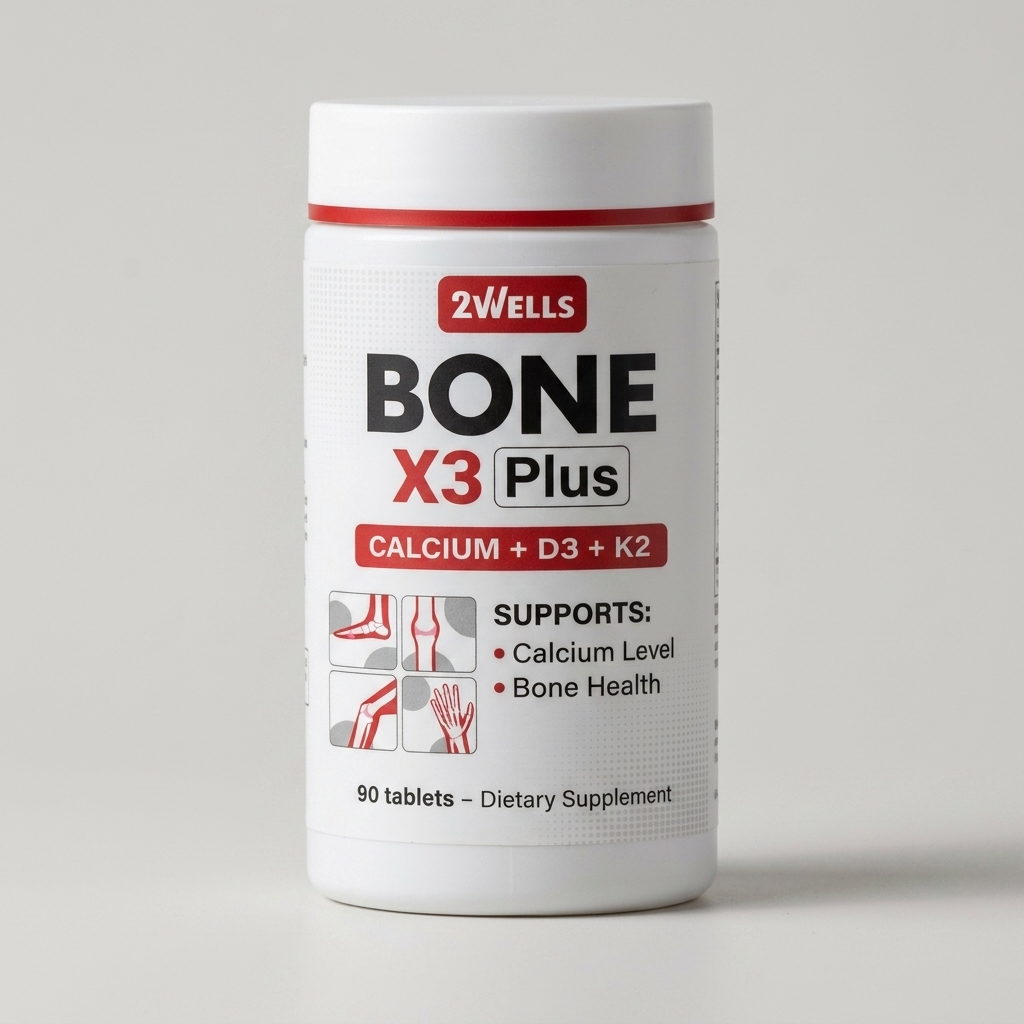
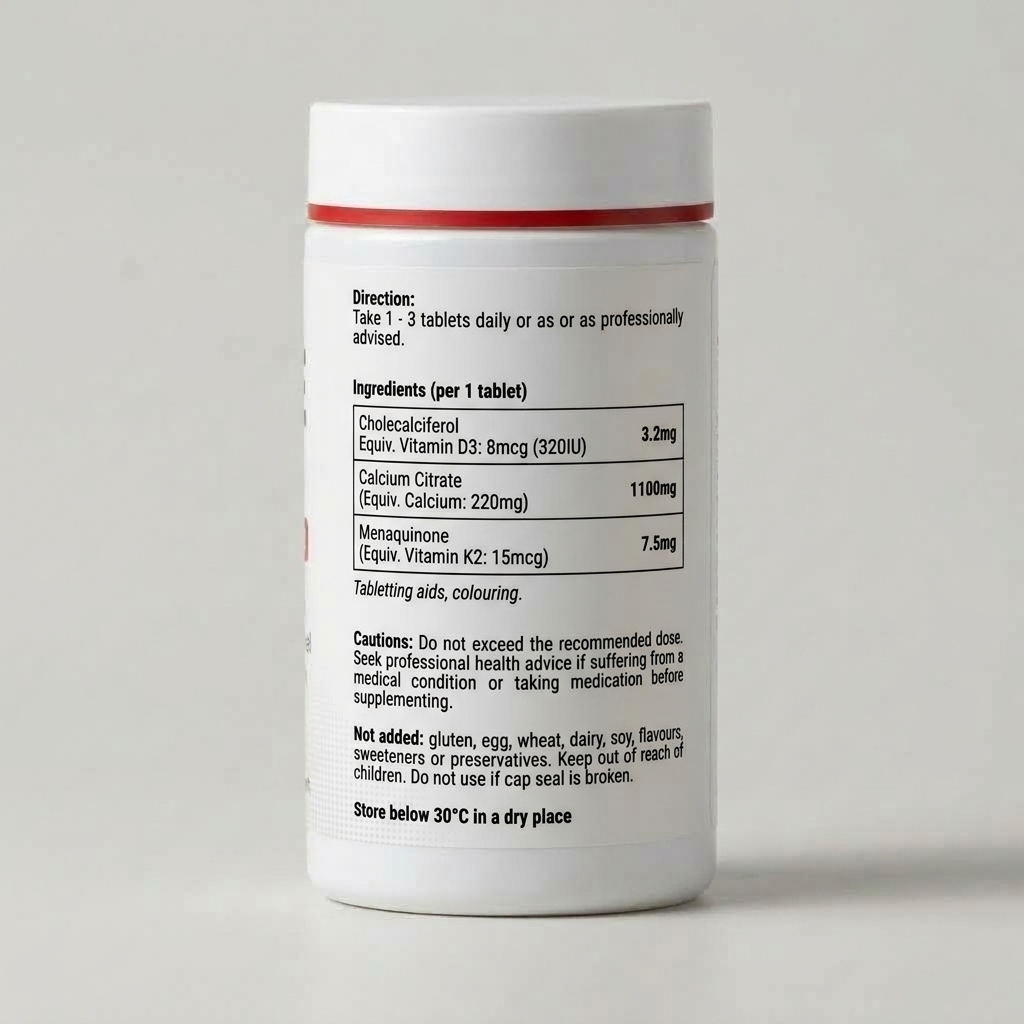
This is why comprehensive formulas like Bone X3 Plus combine Calcium Citrate with both Vitamin D3 and K2 – providing superior absorption AND proper calcium utilization.
How to Maximize Calcium Absorption
Whichever form you choose, follow these tips:
- Split your doses – The body absorbs calcium best in amounts of 500mg or less at a time
- Pair with Vitamin D – Essential for calcium absorption
- Include Vitamin K2 – Directs calcium to bones
- Avoid taking with iron supplements – They compete for absorption
- Limit caffeine around supplement time – Can interfere with absorption
- Stay hydrated – Helps with overall nutrient absorption
Making Your Decision
When choosing between Calcium Citrate and Calcium Carbonate, consider:
| Factor | Calcium Citrate | Calcium Carbonate |
|---|---|---|
| Absorption | Superior | Requires stomach acid |
| Convenience | Take anytime | Must take with food |
| Digestive tolerance | Gentler | May cause issues |
| Cost | Higher | Lower |
| Best for age 50+ | ✓ Yes | Not ideal |
| Tablet size | Larger | Smaller |
For most adults, especially those over 50, Calcium Citrate is the superior choice despite requiring slightly more tablets or higher cost.
Conclusion
While Calcium Carbonate has been the traditional go-to supplement, Calcium Citrate offers clear advantages in absorption, convenience, and tolerability – particularly for older adults and anyone with digestive concerns.
The best bone health supplement combines highly bioavailable Calcium Citrate with Vitamin D3 for enhanced absorption and Vitamin K2 for proper calcium direction. Bone X3 Plus delivers exactly this combination, ensuring your body gets maximum benefit from every tablet.
When it comes to your bones, absorption matters. Choose wisely.