Joint problems tend to arrive gradually, which is precisely why they get ignored. The early signals are easy to explain away as a bad night's sleep or a hard week. This article covers five signs worth paying attention to, what each usually indicates, what helps, and — importantly — which ones mean you should stop self-managing and get an assessment.
1. Stiffness That Lingers in the Morning
Most people feel slightly stiff on waking. What matters is how long it takes to ease. Joint pain and stiffness with difficulty moving are the primary symptoms the NHS lists for osteoarthritis, the most common form of arthritis in the UK.
What helps: gentle movement early in the day rather than waiting for the stiffness to pass on its own. Worth escalating if: stiffness lasts well beyond half an hour, or is clearly worsening month to month.
2. Grating, Crackling or Clicking With Pain
The NHS lists a “grating or crackling sound when moving the affected joints” among osteoarthritis symptoms — but alongside pain, tenderness and swelling, not on its own.
The distinction that matters: painless clicking is extremely common and usually means nothing. Noise accompanied by pain or swelling is the combination worth attention.
3. Swelling or Tenderness Around the Joint
Swelling and tenderness both appear in the NHS symptom list. Swelling suggests something active rather than simply mechanical, which makes it more informative than stiffness alone.
What helps: relative rest from whatever aggravates it, without stopping movement entirely. Worth escalating if: swelling persists beyond a few days, appears without obvious cause, or the joint is hot or red.
4. Pain That Follows a Pattern
Pain that reliably follows certain activities — stairs, standing after sitting, carrying — is telling you about load. Joints most often affected are the knees, hips and small joints of the hands, which are the ones that either carry weight or work hardest.
What helps: adjusting how load is distributed. The NHS recommends suitable footwear and devices that reduce joint strain, alongside weight management where relevant.
5. Avoiding Things You Used to Do
This is the sign people report last and often notice first, without registering it: taking the lift, choosing the flat route, declining the game. Avoidance is a reasonable short-term response and a poor long-term one, because reduced movement tends to make joints less comfortable rather than more.
What helps: regular exercise is the NHS's first recommendation for milder joint problems, ideally chosen so it does not provoke the symptom it is meant to help.
What to Do About It
- Keep moving — cartilage depends on movement to stay nourished
- Manage weight, since weight-bearing joints carry it directly
- Wear footwear that suits the activity
- Progress activity gradually rather than in jumps
- Address old injuries properly; previous joint damage is a documented risk factor
When to See a Doctor Rather Than Wait
Get assessed for pain that wakes you at night, a joint that locks or gives way, swelling that does not settle or comes with heat and redness, symptoms after a specific injury, or stiffness that is steadily worsening. The NHS notes that more severe cases may need painkillers and physiotherapy-led exercise, and both tend to work better when started early.
Frequently Asked Questions
Is joint noise on its own a problem?
Usually not. Painless clicking or popping is common at any age. It is the combination with pain, swelling or stiffness that matters.
Should I stop exercising if my joints ache?
Generally no — though you may need to change what you do. Swimming, cycling and controlled strength work load joints differently from running. Stopping altogether tends to make things worse over time.
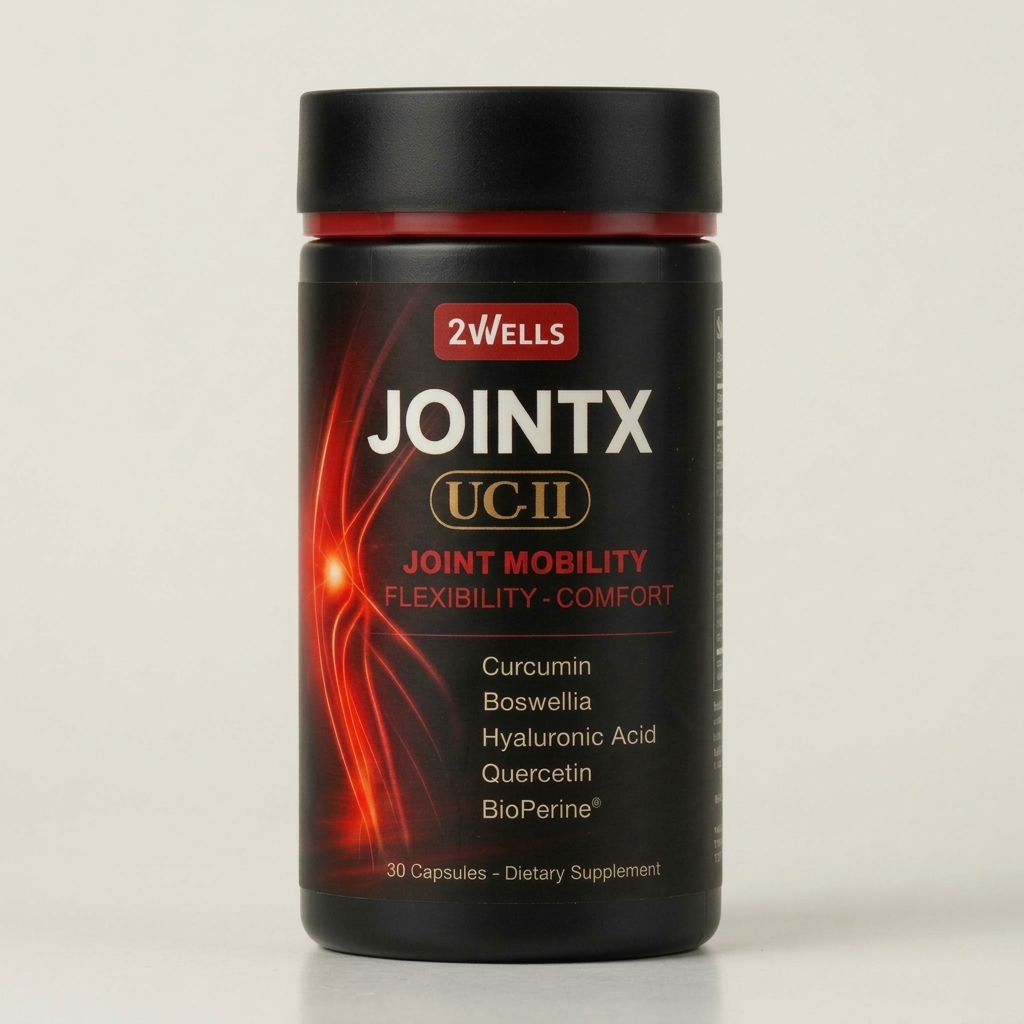
Do supplements help with these signs?
Evidence is modest. Cleveland Clinic describes collagen peptides as “possibly effective for relieving pain” in knee osteoarthritis while cautioning that benefits “may be more hyped in the media than the evidence behind it.” They are best considered alongside movement and weight management, not instead of them.
Are these signs just part of getting older?
Age is a risk factor, but so are injury, weight and family history. Treating symptoms as inevitable tends to delay the responses that actually help.
Key Takeaways
- Prolonged morning stiffness, painful grating, swelling, load-related pain and avoidance are the signals worth noticing
- Painless joint noise alone is common and usually unremarkable
- Movement is the NHS's first recommendation for milder joint problems
- Night pain, locking, heat, redness or worsening stiffness warrant assessment
- Supplement evidence is modest; movement and weight have far stronger support
Conclusion
None of these signs alone means something serious, and none is a reason for alarm. What they are is information — usually about load, movement and recovery. Acting on them early, while the response is still a change of habit rather than a course of treatment, is the whole point of noticing them. If any of the escalation signs apply, see a doctor rather than waiting for the next flare.
Scientific References
- Osteoarthritis — NHS
https://www.nhs.uk/conditions/osteoarthritis/ - Collagen — Cleveland Clinic
https://my.clevelandclinic.org/health/articles/23089-collagen