Your heart beats approximately 100,000 times per day, pumping blood through 60,000 miles of blood vessels. This incredible organ requires enormous amounts of energy to function optimally—and that’s where Coenzyme Q10 (CoQ10) comes in. Often overlooked in favor of more popular supplements, CoQ10 is a powerhouse nutrient that plays a critical role in heart health and cellular energy. Let’s explore why your heart craves this essential compound.
What Exactly Is CoQ10?
Coenzyme Q10, also known as ubiquinone, is a naturally occurring compound found in every cell of your body. Its name “ubiquinone” comes from “ubiquitous,” reflecting its presence throughout all human tissues. CoQ10 serves two vital functions:
- Energy Production: CoQ10 is essential for producing ATP (adenosine triphosphate), the energy currency of your cells
- Antioxidant Protection: It neutralizes harmful free radicals that can damage cells
The highest concentrations of CoQ10 are found in organs with the greatest energy demands: the heart, liver, kidneys, and pancreas. Your heart, being the hardest-working muscle in your body, has particularly high CoQ10 requirements.
Why Your Heart Needs CoQ10
1. Fueling the Heart Muscle
Your heart never rests. Unlike other muscles that can take breaks, your cardiac muscle works continuously from before birth until your final moment. This constant activity requires a steady supply of ATP energy—and CoQ10 is essential for ATP production.
Studies have shown that people with heart conditions often have lower CoQ10 levels in their heart tissue. Supplementing with CoQ10 can help ensure your heart has the energy it needs to function optimally.
2. Protecting Against Oxidative Stress
The heart’s high metabolic activity generates significant amounts of free radicals—unstable molecules that can damage cells. CoQ10’s antioxidant properties help neutralize these free radicals, protecting heart cells from oxidative damage.
3. Supporting Blood Vessel Health
CoQ10 helps maintain the health of the endothelium—the inner lining of blood vessels. A healthy endothelium is essential for proper blood flow and blood pressure regulation.
4. Maintaining Healthy Blood Pressure
Several clinical studies have demonstrated that CoQ10 supplementation can support healthy blood pressure levels already within the normal range. This effect is likely due to improved energy production in blood vessel cells and reduced oxidative stress.
The Age Factor: Why Supplementation Becomes Important
Here’s something many people don’t realize: your body’s natural CoQ10 production peaks around age 20 and steadily declines thereafter. By age 80, CoQ10 levels may be 50% lower than in young adulthood.
This decline coincides with the increased prevalence of heart-related concerns in older adults—not a coincidence. As CoQ10 levels drop, the heart may struggle to meet its energy demands, potentially affecting function over time.
CoQ10 and Statin Medications: A Critical Connection
If you take statin medications for cholesterol management, pay close attention: statins can significantly deplete your body’s CoQ10 levels. This happens because statins block the same metabolic pathway your body uses to produce both cholesterol and CoQ10.
Common symptoms of CoQ10 depletion in statin users include:
- Muscle fatigue and weakness
- General tiredness
- Muscle aches and pains
Many healthcare providers now recommend CoQ10 supplementation alongside statin therapy to counteract this depletion and maintain energy levels.
How Much CoQ10 Do You Need?
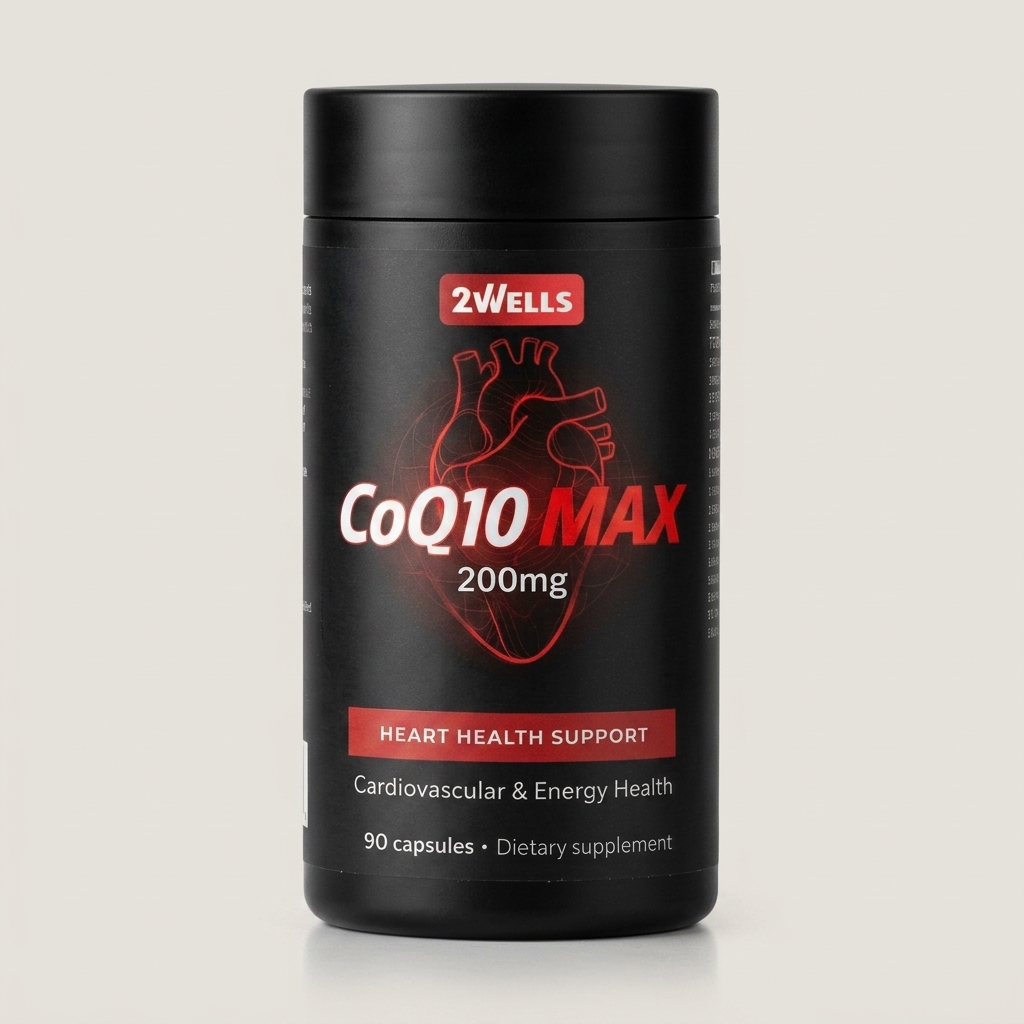
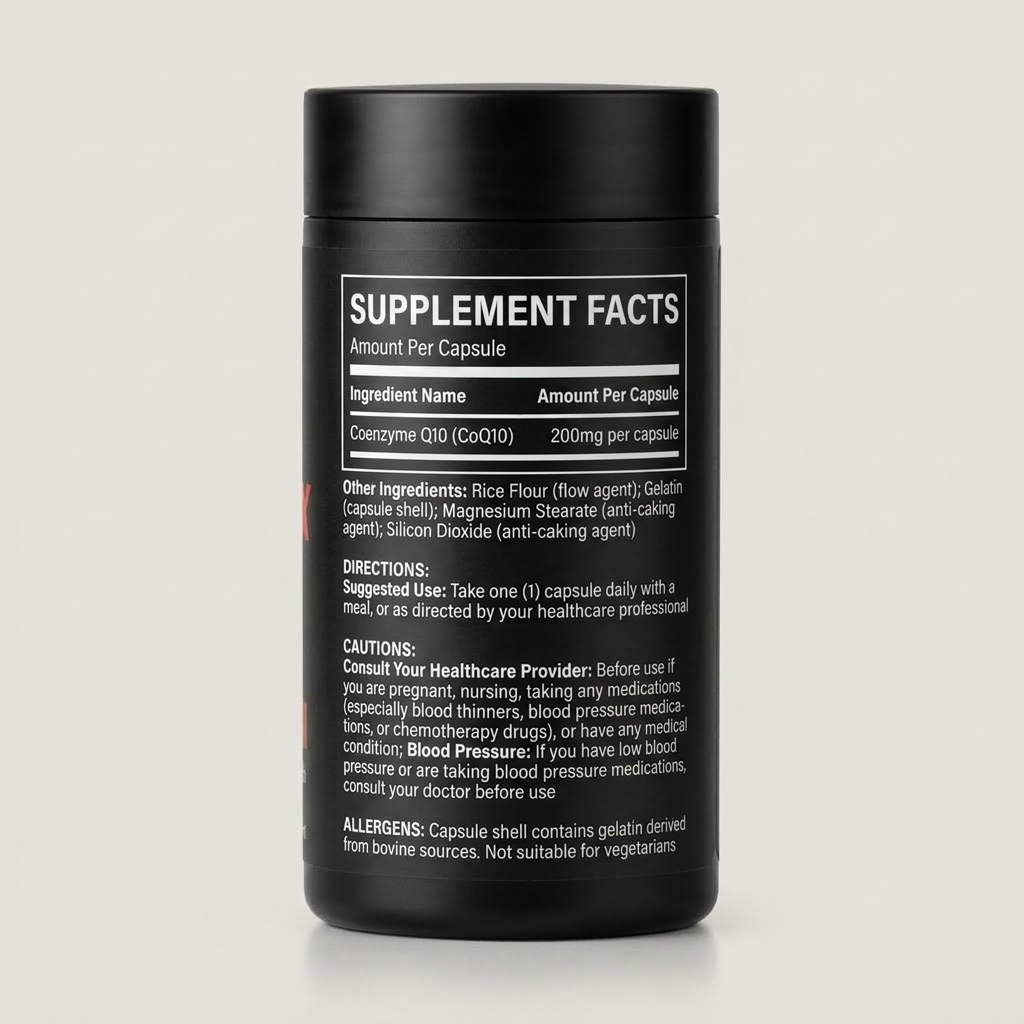
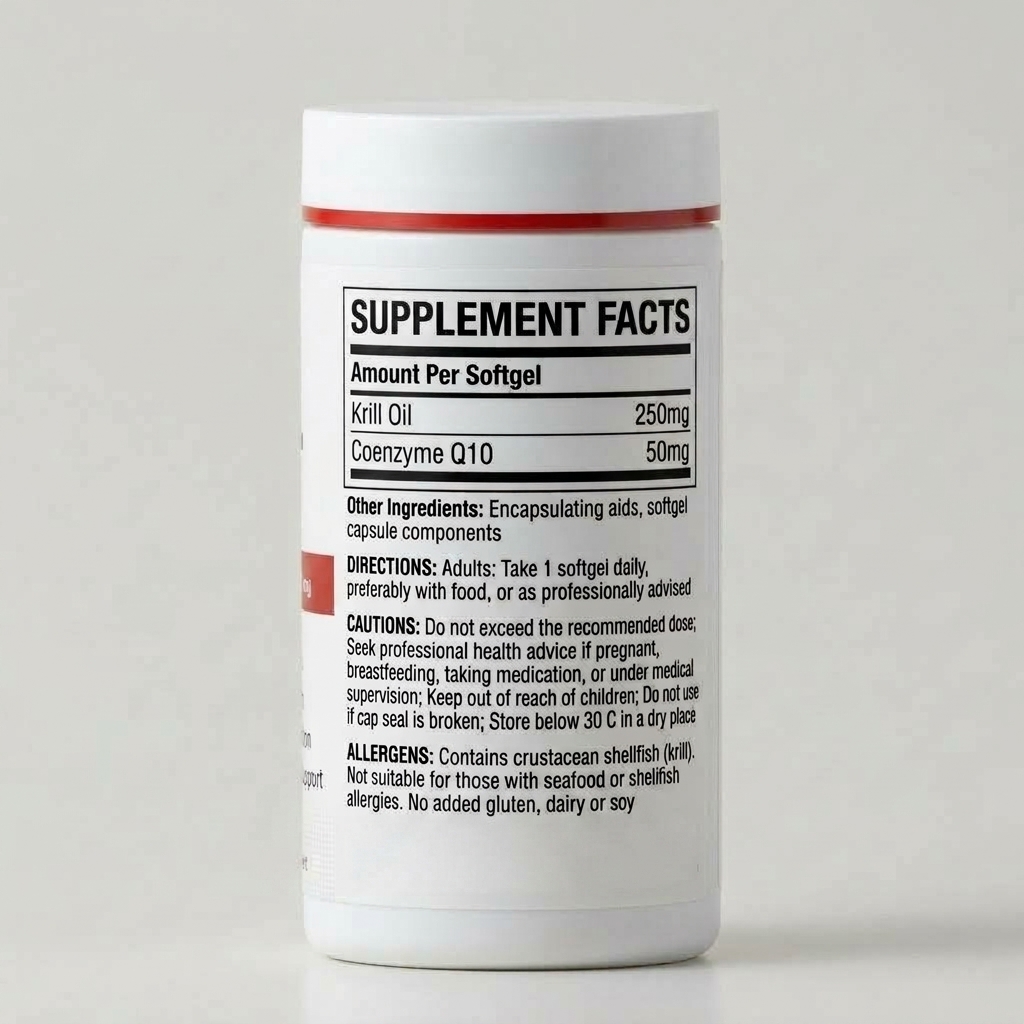
General supplementation recommendations range from 30-200mg daily, depending on individual needs:
- General wellness: 30-60mg daily
- Cardiovascular support: 100-200mg daily
- Statin users: 100-200mg daily
- Older adults (60+): 100-200mg daily
CoQ10 is fat-soluble, meaning it’s best absorbed when taken with a meal containing dietary fat. This is one reason why CoQ10 combined with fish oil (which provides healthy fats) is an excellent combination—the fish oil enhances CoQ10 absorption.
The Omega-3 and CoQ10 Synergy
When it comes to heart health, combining omega-3 fatty acids with CoQ10 creates a powerful synergy:
- Omega-3s (EPA and DHA) support healthy triglyceride levels, reduce inflammation, and promote heart rhythm stability
- CoQ10 ensures adequate cellular energy and provides antioxidant protection
Together, they address heart health from multiple angles, offering more comprehensive support than either nutrient alone. This is why supplements combining fish oil with CoQ10 have become increasingly popular among health-conscious consumers.
Signs You Might Benefit from CoQ10
Consider CoQ10 supplementation if you:
- Are over 40 years old
- Take statin medications
- Experience fatigue or low energy
- Have a family history of heart concerns
- Want to support overall cardiovascular wellness
- Exercise regularly (athletes have higher energy demands)
The Bottom Line
CoQ10 is not just another supplement—it’s a fundamental nutrient that your heart and entire body depend on for energy and protection. As natural production declines with age, supplementation becomes increasingly important for maintaining optimal health.
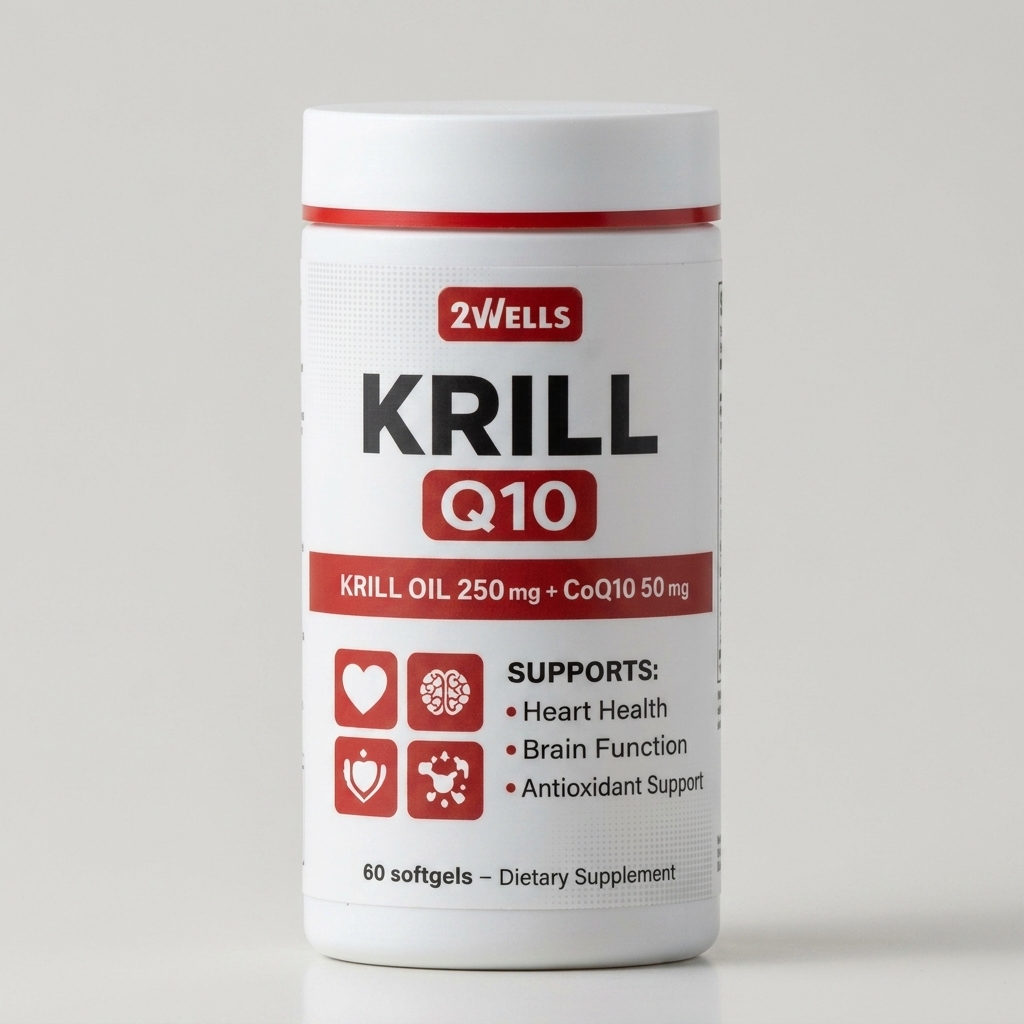
For comprehensive cardiovascular support, look for supplements that combine CoQ10 with omega-3 fatty acids. This combination addresses multiple aspects of heart health, providing your hardest-working organ with the nutrients it craves.
Your heart works tirelessly for you every second of every day. Return the favor by giving it the nutritional support it deserves.