Explore how omega-3 eye health benefits support children’s eye development. Learn why DHA vision support matters for growing kids.
When we think about children’s nutrition, brain development often takes center stage. But there’s another crucial aspect of your child’s health that omega-3 fatty acids significantly impact: their vision. Understanding the connection between omega-3 eye health and children’s eye development can help you make informed decisions about your child’s nutritional needs.
The Eyes Have It: Why DHA Matters for Vision
Here’s a fascinating fact: DHA (docosahexaenoic acid) is the most abundant omega-3 fatty acid in the retina, comprising up to 60% of the polyunsaturated fatty acids found there. This isn’t coincidental—DHA plays a structural and functional role that’s absolutely critical for healthy vision.
The retina is where light signals are converted into the neural signals our brain interprets as images. For this process to work optimally, retinal cells need adequate DHA to maintain their membrane fluidity and function.
How DHA Supports Children’s Eye Development
During childhood, the visual system continues developing and refining. DHA vision support becomes especially important during these formative years for several reasons:
Structural Foundation
DHA helps build and maintain the photoreceptor cells in the retina—the specialized cells that detect light. Without adequate DHA, these cells cannot function at their best, potentially affecting visual acuity.
Visual Processing
Beyond the eye itself, DHA supports the visual cortex in the brain, where visual information gets processed. Adequate omega-3 intake helps ensure smooth communication between the eyes and brain.
Protection from Oxidative Stress
Children’s eyes face increasing demands in our digital age. DHA contributes to the eye’s natural defense mechanisms against oxidative stress from environmental factors and screen exposure.
The Digital Age Challenge
Today’s children face unprecedented visual demands. Between educational screen time, recreational devices, and distance learning, young eyes work harder than ever before.
Studies examining omega-3 eye health suggest that adequate DHA and EPA intake may help:
- Support comfortable vision during extended visual tasks
- Maintain healthy tear film production
- Support overall ocular surface health
These benefits become increasingly relevant as screen time continues rising among children.
Signs of Visual Strain in Children
While not specifically indicating omega-3 deficiency, these symptoms suggest your child’s eyes may need additional support:
- Frequent eye rubbing, especially after reading or screen time
- Complaints of tired or uncomfortable eyes
- Difficulty transitioning between near and far focus
- Squinting or sitting too close to screens
- Headaches associated with visual activities
If your child experiences these symptoms, consulting an eye care professional is important. Additionally, ensuring adequate omega-3 intake supports overall children’s eye development.
Food Sources vs. Supplementation
The best dietary sources of DHA for eye health include:
- Fatty fish (salmon, mackerel, sardines)
- Algae-based foods
- Fortified eggs and dairy products
However, let’s face reality: most children don’t consume these foods regularly or in sufficient quantities. The gap between recommended omega-3 intake and actual consumption remains significant for the average child.
This is where quality supplementation becomes valuable. A consistent, reliable source of DHA ensures your child’s developing eyes receive ongoing nutritional support regardless of daily dietary variations.
Choosing the Right Omega-3 for Eye Health
When selecting an omega-3 supplement with DHA vision benefits in mind, consider:
DHA Content: Since DHA specifically concentrates in the retina, ensure the supplement provides meaningful amounts—not just EPA.
Bioavailability: The form matters. Quality fish oil supplements deliver omega-3s in forms the body readily absorbs and utilizes.
Consistency: Eye health benefits come from regular, ongoing intake rather than sporadic supplementation.
Child-Friendly Format: The best supplement is one your child will actually take consistently.
Supporting Lifelong Visual Health
The nutritional foundations we establish during childhood can influence health outcomes for years to come. By ensuring adequate omega-3 intake now, you’re investing in your child’s visual health both today and into the future.
While supplements don’t replace regular eye exams and healthy screen habits, they provide nutritional support that complements overall eye care strategies.
A Simple Solution for Busy Families
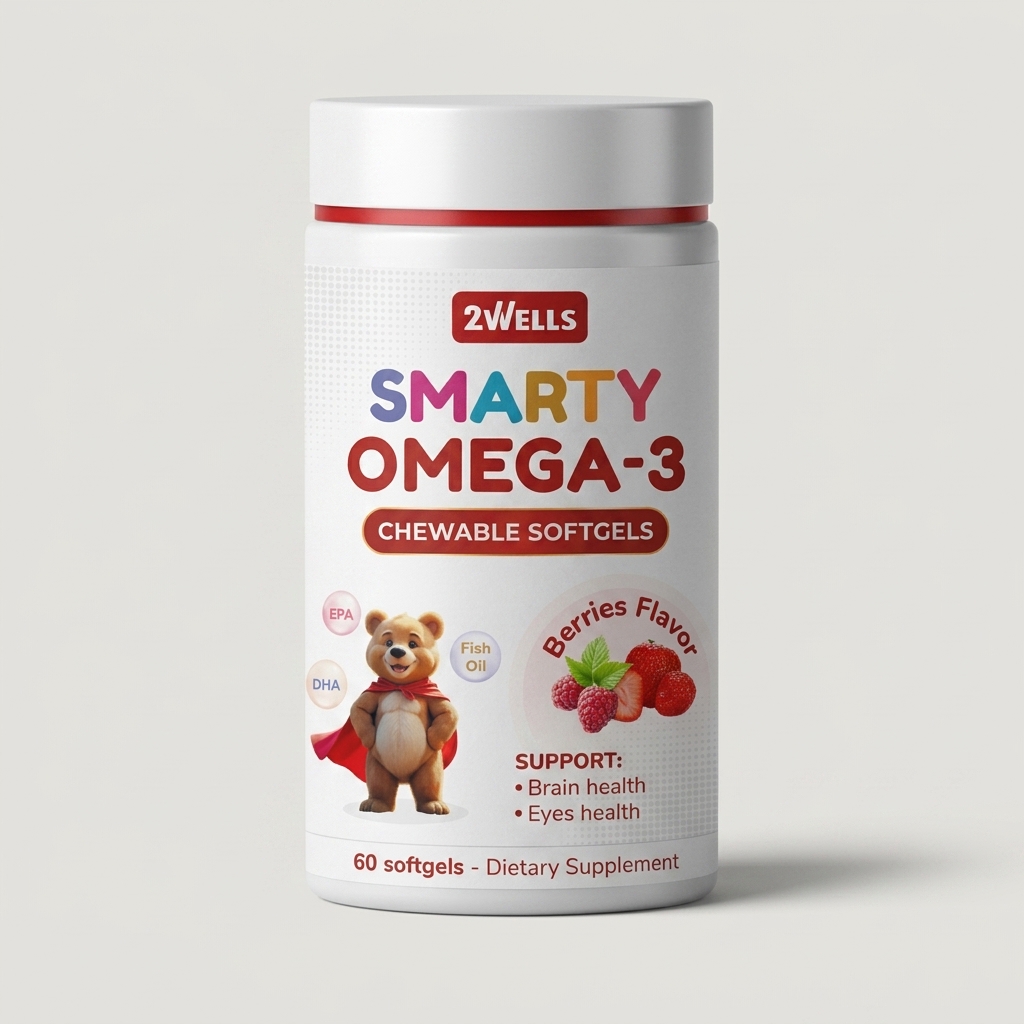
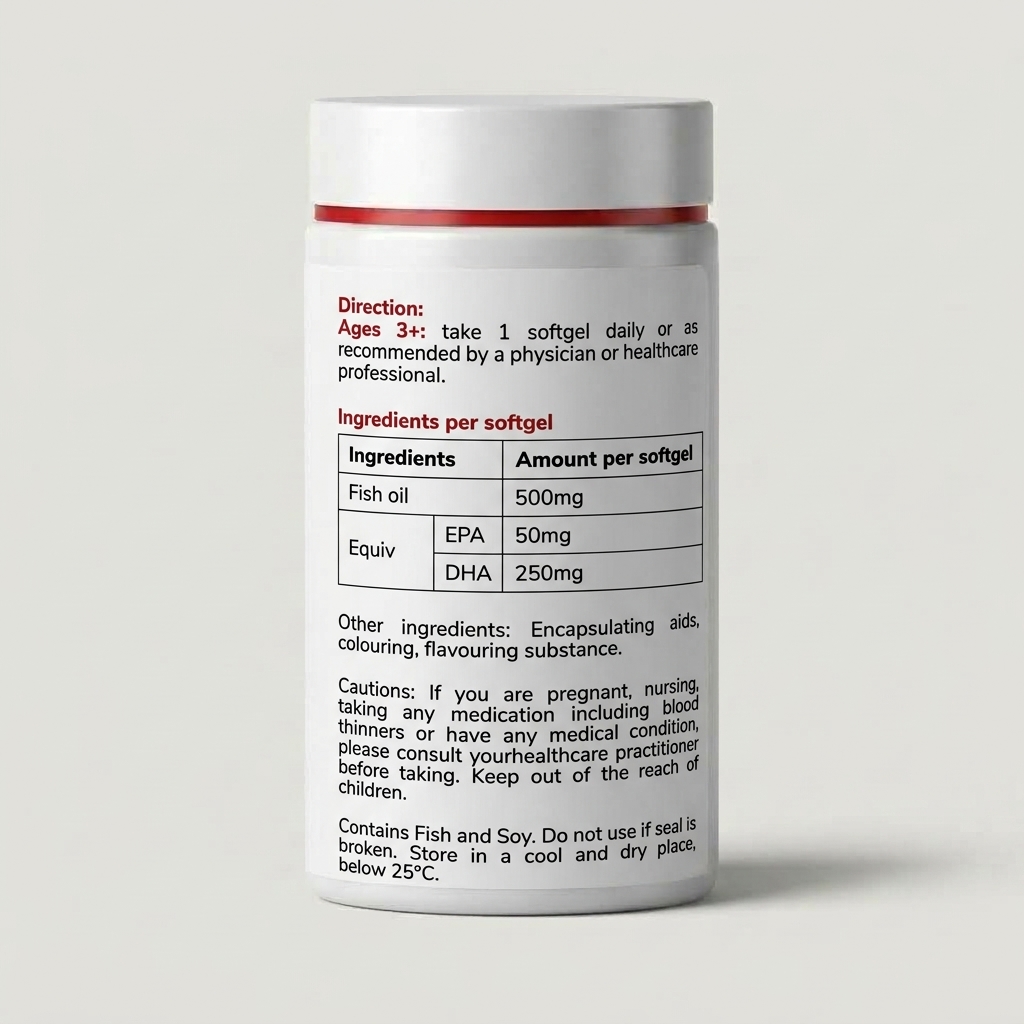
Protecting your child’s developing vision doesn’t have to be complicated. 2WELLS Smarty Omega-3 Chewable Softgelsdeliver DHA and EPA from quality fish oil in a format children love. The berry-flavored chewable softgels make daily supplementation enjoyable rather than challenging, supporting both brain and omega-3 eye health with each serving. With 60 softgels per bottle, you’ll have a two-month supply of vision-supporting nutrition that fits seamlessly into your family’s routine.
© 2WELLS Health — Supporting children’s wellness through quality nutrition